Category: General

TM44 compliance

What Shapes Energy Performance Certificate Cost in London for Buildings That Need TM44 Compliance

If you manage an air-conditioned office or shop, then be advised that the energy performance certificate cost in London is rarely a fixed figure. Assessors price each job on floor area, layout and the systems inside. Buildings that also need TM44 compliance usually have more of those systems to check. Picture two buildings of the same size on the same street. One runs on radiators, while the other cools every floor with split units. Their quotes can look very different, and the reasons are worth knowing before you book.

So what moves the energy performance certificate cost in London up or down? And where does TM44 compliance come into it? The answer sits partly in how the government classes your building and partly in practical details like access and paperwork. Let’s break it down.

How Building Levels Shape Energy Performance Certificate Cost in London

Official guidance sets no fixed price for a commercial EPC. The market sets the fee, and it tends to shift with the size, location and age of your building.

Commercial buildings fall into level 3, 4 or 5. The line between levels 3 and 4 comes down to heating, ventilation and air conditioning.

  • Level 3 covers boiler systems under 100kW, opening windows and small comfort cooling up to 12kW in total.
  • Level 4 covers multi-split units, VRF systems, chillers and air handling units.
  • Level 5 applies when a building needs advanced simulation software instead of the standard SBEM tool.

A higher level usually means more modelling work, so quotes tend to climb with it. Few owners enjoy hearing that, though it does seem fair once you see the extra detail behind it.

TM44 Compliance and Air Conditioning in Your EPC Assessment

TM44 compliance covers air conditioning with an effective rated output above 12kW, including smaller units that add up past that figure. Now compare that with the EPC levels above. Level 3 stops at 12kW of comfort cooling, so a building that needs a TM44 inspection will usually land at level 4 or higher.

It is an easy link to miss. Perhaps it is also the clearest reason two offices of similar size get very different quotes.

There is a practical side too. The assessor must inspect the building in person, even when detailed plans exist. Up-to-date plans make that visit quicker, and your TM44 report can help as well. It records the system size, controls and maintenance details the assessor will want to check on site.

London Details That Change Your Energy Performance Certificate Quote

Location is one of the cost factors the official guidance names. In central London, parking limits and the Congestion Charge can add to an assessor’s travel costs, and some fold that into the fee.

Next, think about how your building is used. Assessors split a building into zones by activity, so a site mixing offices, kitchens, storage and retail takes longer to model.

Next Steps Before You Book an EPC or TM44 Inspection

  • Check your EPC rating and expiry date on the government’s Find an Energy Certificate service.
  • Add up the output of every cooling unit on site, not just the largest one.
  • Pull together your floor plans and recent maintenance records.

If your cooling passes 12kW, book the TM44 inspection while the EPC is fresh in your mind. Visit https://tm44.uk/ to arrange your TM44 inspection.

Farm fencing Ontario

How ATV Tow-Behind Equipment Makes Farm Fencing in Ontario Easier

Building a fence line is mostly a hauling job, even if nobody says so out loud. Posts, rolls of field fence, hand tools and a pail of staples all have to reach the far end of a pasture. Something always gets left behind, too. Farm fencing in Ontario also means soft spring ground, rocky soil in much of the north and brush that keeps creeping toward the wire. This is where ATV tow-behind equipment in Ontario can take on a real share of the work.

Still, an ATV is not a small tractor, and the gear behind it has to suit the machine. Perhaps you are planning a new line along a back field, or maybe the old fence just needs its yearly patching. Either way, knowing which ATV tow-behind equipment in Ontario fits your property makes farm fencing in Ontario a lot less tiring.

Where the Hours Go on an Ontario Farm Fencing Job

Setting posts and stretching wire is the part people picture. The slow part tends to happen before and after it.

  • Hauling posts, wire and tools out to the line, then bringing the leftovers back.
  • Clearing grass, saplings and brush so the wire has a clean path
  • Walking the line each spring to find posts that frost has pushed up and wire that fallen branches have pulled down

How many trips did your last repair take? If the honest answer makes you wince, a different setup might help more than working harder.

ATV Tow-Behind Equipment That Helps Along the Fence Line

A tow-behind implement lets the ATV do the pulling while you keep your attention on the fence. Two types fit fencing work especially well.

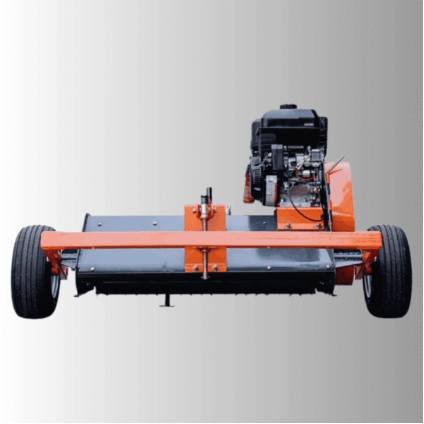
  • Offset flail mowers: These run off to one side of the ATV. That lets them cut grass and brush close to the wire while your wheels stay clear of the fence. Regular mowing keeps growth thin, which matters on electric fences because weeds touching a hot wire can bleed off the charge.
  • Towable stump grinders: A new fence line often runs straight through old stumps. An ATV can pull a towable grinder right to the spot, so a few stumps no longer mean bringing in a tractor.

If you only have one line to clear, a stump grinder rental might make more sense than buying. A tractor still handles heavy post work better, honestly. For routine upkeep along the fence, though, the ATV is usually the quicker machine to grab.

Matching Tow-Behind Gear to Your ATV and Your Property

Here is why fit matters. An implement that is too heavy for your ATV can strain the machine and make side hills risky. Check these points before you buy:

  • The towing capacity and tongue weight listed in your ATV owner’s manual.
  • The hitch type and size on both the ATV and the implement
  • Ground conditions, including wet low spots, slopes and rocks
  • Gate and lane widths, since a wide mower has to fit through them

One more step comes before any new farm fencing Ontario landowners put up along a property line. Talk with your neighbour first.

Ontario’s Line Fences Act sets out a dispute process for neighbouring owners in most of the province, using fence-viewers appointed by the municipality. The process does not apply if one owner builds a new line fence alone and then wants the neighbour to pay part of the cost.

In Closing

The next steps are simple. Contact Farmequip’d to ask about availability or request a quote on fencing and tow-behind gear that suits your land.

amheatpumps-uk-heat-pump-installation-guide-featured

Heat Pump Installation in the UK: Choosing the Right System

A heat pump can reduce reliance on fossil-fuel heating, but its success depends more on design quality than on the headline efficiency printed in a brochure. The right system must match the building’s heat loss, emitters, hot-water demand and available space.

For homeowners researching amheatpumps, the most useful starting point is an independent understanding of how air source and ground source technology works, what a professional installation includes and which questions should be answered before accepting a quotation.

Unlike a boiler, a heat pump does not primarily create heat by burning fuel. It uses electricity to move low-temperature heat from outside into the home. A refrigeration cycle raises that heat to a usable temperature for radiators, underfloor heating and domestic hot water.

Is a Heat Pump Suitable for Your Property?

Heat pumps can work in many UK homes, including older properties, but the building and heating system may need improvement first. A room-by-room heat-loss calculation should identify how much heat each space requires on a cold design day.

Important considerations include:

  • Insulation and draughts: Loft, wall, floor and glazing performance affect the required heat-pump output. Better insulation can reduce equipment size and running costs.
  • Radiators: Heat pumps commonly operate at lower flow temperatures than gas boilers. Existing radiators may need to be replaced with larger models or low-temperature emitters.
  • Underfloor heating: Large floor areas suit low-temperature heating particularly well, although retrofit work can be disruptive.
  • Outdoor space: Air source systems need a correctly positioned outdoor unit with suitable airflow, drainage and clearance.
  • Hot-water demand: A heat-pump cylinder normally stores hot water. Household size, bathing habits and available cylinder space influence the required capacity.

A property does not have to be perfectly airtight, but excessive heat loss can make a system expensive to run. Homes that feel cold after installation often have an incorrectly calculated heat loss, undersized radiators, poor hydraulic balancing, unsuitable control settings or incomplete commissioning. Frequent boiler-style “on and off” operation can also undermine comfort; heat pumps generally work best when operating steadily for longer periods.

Air Source vs Ground Source Heat Pumps

Air source systems

An air source heat pump extracts heat from outdoor air through a fan-assisted heat exchanger. In an air-to-water system, the heat is transferred into a water circuit that supplies radiators, underfloor heating and a hot-water cylinder.

The outdoor unit is usually installed against, or near, an external wall. Its position must account for noise, airflow, maintenance access, condensate drainage and the effect of defrost cycles. Planning requirements vary by property and location, particularly for listed buildings, conservation areas or installations close to boundaries.

Air source systems usually involve less disruption and lower installation costs than ground source systems. They are often practical for semidetached and urban homes, provided there is enough space for the unit and associated pipework. Their efficiency varies with outdoor temperature: performance generally falls during colder weather, when the heating demand is greatest.

Ground source systems

A ground source heat pump collects heat through buried horizontal ground loops or vertical boreholes. The collector contains a water-and-antifreeze mixture, which circulates underground before transferring heat to the heat pump inside the property.

Ground temperatures are relatively stable compared with outdoor air, allowing consistent performance. However, horizontal loops require substantial garden area and excavation. Boreholes reduce the surface footprint but require specialist drilling access, geological assessment and additional groundwork.

Ground source may justify its higher capital cost where:

  • The property has suitable land or drilling access.
  • The heating demand is substantial and long-term occupancy is expected.
  • Consistent efficiency and reduced exposure to winter air temperatures are priorities.
  • Major landscaping or construction work is already planned.

There is no universally superior technology. A survey should compare collector feasibility, heat loss, expected flow temperatures, electricity supply, access and the total lifecycle cost.

What a Proper Heat Pump Design and Installation Includes

A credible process begins with a measured survey rather than a product recommendation. The designer should calculate heat loss for every room using dimensions, construction, ventilation and desired indoor temperatures. A whole-house estimate alone may conceal cold rooms or oversized equipment.

Survey findings determine:

  • Heat-pump output and operating range.
  • Radiator or underfloor-heating capacity.
  • Design flow and return temperatures.
  • Cylinder size and recovery strategy.
  • Buffer tank requirements, if any.
  • Weather compensation and room-control arrangements.

The installer should also assess electrical capacity, consumer-unit requirements, pipe diameters, insulation, condensate drainage and the location of internal components. An outdoor unit needs stable foundations, adequate clearances and a position that limits transmitted noise and nuisance to neighbours.

For ground source installations, the design must cover loop length, borehole depth, ground conditions, antifreeze concentration, trench restoration and collector protection. For either technology, pipework should be properly insulated and commissioned for correct flow rates.

Installation is only one stage of the work:

  1. Design: Heat loss, emitter sizing, hydraulic layout and controls are specified.
  2. Installation: Equipment, pipework, cylinder, electrical connections and external works are fitted.
  3. Commissioning: The system is pressure-tested, flushed, balanced and configured. Flow temperatures, weather-compensation curves, pump speeds and safety settings are checked.
  4. Handover: The homeowner receives manuals, warranty information, commissioning records and clear instructions for heating, hot water and controls.

A technically sound system can still disappoint if the weather-compensation curve is wrong, thermostatic radiator valves restrict flow unnecessarily or the cylinder schedule does not match household routines. Homeowners should receive practical guidance rather than being left with factory default settings.

Heat Pump Costs, Running Performance and Available Support

Indicative UK costs vary sharply by building complexity:

  • An air-to-water installation for a typical two- or three-bedroom home may fall around £11,000–£18,000 before applicable grants or unusual remedial work.
  • A larger or technically complex air source project can exceed £20,000, particularly where radiators, electrical infrastructure or pipework require upgrades.
  • Ground source systems commonly cost approximately £20,000–£40,000 or more, depending on boreholes, trenching, access, land restoration and collector design.

The quotation may include the survey, design, heat-pump unit, cylinder, controls, labour, scaffolding, electrical work and commissioning. It may exclude insulation, radiator replacement, planning fees, asbestos precautions, landscaping or consumer-unit upgrades. These exclusions should be explicit.

Running performance is commonly discussed using the coefficient of performance (COP), but real-world seasonal efficiency is better represented by the seasonal coefficient of performance (SCOP). Results depend on:

  • Building heat loss and indoor temperature.
  • Flow temperature and emitter sizing.
  • Defrosting requirements for air source units.
  • Weather-compensation controls and hydraulic balancing.
  • Electricity tariff, smart-meter options and maintenance.
  • Domestic hot-water temperature and immersion-heater use.

A payback calculation should compare actual fuel use, electricity prices, maintenance and capital cost. It should not assume a guaranteed saving. A heat pump may offer lower carbon emissions and improved comfort even where financial payback is lengthy, but the numbers should be specific to the property.

Government support changes over time. In England and Wales, schemes such as the Boiler Upgrade Scheme have included grants for eligible air source and ground source installations, subject to current rules, installer certification and property conditions. Scotland and Northern Ireland have separate arrangements. Check official government guidance before relying on a grant, and confirm that the installer is appropriately certified—MCS registration is particularly important for eligibility under applicable schemes.

Choosing an Installer and Planning the Next Step

Obtain a property-specific survey before deciding between air source and ground source technology. Compare quotations using the following checklist:

  • Is there a room-by-room heat-loss calculation?
  • What indoor and outdoor design temperatures have been used?
  • What flow temperature is expected on the coldest design day?
  • Which radiators or underfloor circuits will be retained or upgraded?
  • What are the proposed SCOP, sound-power level and operating limits?
  • Is the cylinder correctly sized for the household?
  • Are electrical work, groundwork, drainage and making-good included?
  • Does the quote include commissioning records and user training?
  • What product, workmanship and parts warranties apply?
  • Who handles faults after installation, and within what response time?

Ask to see evidence of comparable installations, particularly homes with similar construction and heating requirements. Questions about noise planning should cover the manufacturer’s sound data, boundary distances, night operation and anti-vibration measures.

Homeowners should also clarify whether the system can provide adequate hot water during consecutive showers, how quickly rooms recover after setback, whether smart controls are compatible and which components require periodic servicing. Ground source owners should ask about loop protection and antifreeze checks; air source owners should ask about defrost behaviour and condensate management.

The most reliable installation is not necessarily the largest, cheapest or most heavily promoted. It is the system supported by transparent calculations, suitable emitters, careful commissioning and realistic advice about how a low-temperature heating system should be operated.

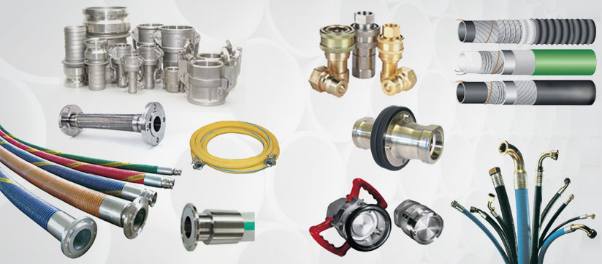
Eaton hoses

From Hose Cutting to Final Crimping, a Finn Power Crimping Machine Fits into a Bigger Assembly Workflow

A hose assembly that fails on site seldom fails because of the crimp alone. The trouble starts earlier. A ragged cut, maybe, or a skive taken too deep. A Finn Power crimping machine delivers accurate, repeatable crimp diameters, and it gives its best results when the stages feeding it are equally well controlled. Many buyers miss that.

Four Stations, One Pressure-Ready Assembly

Where Crimping Sits: Cutting decides length and squareness. Skiving, needed for some fittings, strips rubber away so the ferrule, the outer sleeve, bites onto the wire braid. The fitting stem goes into a marked depth. A Finn Power crimping machine presses the ferrule to a precise diameter and locks the fitting permanently onto the hose.

Every Hose Crimps Differently: No two hose constructions respond alike under the die. A four-spiral hose with a thick cover needs different compression from a single-braid line. Eaton hoses come with published crimp data for each hose and fitting pairing, so assemblers work to clear target diameters. Mix unchecked parts from different sources and the crimp turns into guesswork.

Where Small Bench Errors Turn into Leaks

Square Ends Grip Evenly: Crimping relies on plastic deformation. The die pushes the ferrule past its elastic limit, and the metal keeps its shape. That permanent grip stays even only if the hose end sits square. An angled cut leaves one side short of the fitting shoulder, and under pulsing pressure the hose creeps out from the short side.

Faults the Ferrule Hides: A skive cut too deep nicks the wire braid. Too shallow, and rubber stays trapped under the ferrule teeth, weakening the bite. Neither fault shows after crimping. A Finn Power crimping machine repeats the same crimp diameter assembly after assembly, which gives quality teams a stable baseline for tracing any fault back to preparation.

Buying for the Line, Not the Machine

Balance Beats Raw Speed: A crimper that finishes a cycle in seconds gains little if hoses trickle in from a hand saw. Lean manufacturing principles push teams towards balanced stations, each keeping pace with the next, so work does not pile up at any bench. Production planners weighing new equipment compare a few practical points across the line.

  • Cut quality, since a square end helps every later step.
  • Whether skiving tools suit the hose series in use.
  • Insertion depth marks. Cheap to do, easy to skip.
  • Cleaning after cutting. Rubber dust left in the bore ends up in pumps.
  • Die changeover time between sizes.

Proof on Paper: Many customers expect proof that work follows ISO 17165-2, the recommended practice for hydraulic hose assemblies. Eaton hoses carry printed markings along the cover showing hose type and size, so workshops can log each batch against its measured crimp diameter and give auditors a clear trail. Without that record, a failed line becomes hard to defend.

Assemblies Built to Hold Full Pressure

Picture a bench where each hose reaches the die square and clean, and every crimp gets measured and logged before dispatch. First-pass yield rises, and site teams stop worrying about fittings letting go under load. If your setup has a weak station somewhere, talk to a hose assembly specialist and review the workflow from saw to crimper.

Domestic assault lawyer Toronto

Domestic Assault Lawyer in Toronto: What Happens in the First 48 Hours After a Charge is made

Picture sitting in a small police interview room, still in the clothes you grabbed on the way out the door, wondering who will feed the dog tonight. That is where a domestic assault case often starts, with small worries crowding out the big ones. The decisions you make over the next two days can affect your bail conditions, where you sleep and what the Crown learns about you. Knowing the order of events helps a domestic assault lawyer in Toronto step in at the right moment, rather than cleaning up afterward.

The charge itself is plain assault under section 265 of the Criminal Code. The domestic label comes from the relationship, and it changes a lot around the charge, from the courtroom your case goes to to the rules you live under until trial. Plenty of people wait until their first court date to call a domestic assault lawyer in Toronto. That delay often costs more than they realize.

The First Few Hours: Arrest and Your Right to Counsel

Section 10(b) of the Charter gives you the right to speak with a lawyer without delay after arrest. Police in Ontario must also tell you about Legal Aid Ontario’s Bridges duty counsel line, which gives free legal advice to anyone detained or arrested, around the clock, every day of the year. You can use it whether or not you would qualify for legal aid. You can also ask to call a specific defence lawyer by name.

Here is why the next part matters. Many people believe that explaining their side to officers will clear things up. Sometimes it might, perhaps, but more often the explanation ends up in the Crown’s file as evidence. A short, polite refusal to discuss the facts is usually the safer path until you have legal advice.

Police Release or a Bail Hearing in Toronto

After booking, the case goes one of two ways:

  • Police release you with written conditions and a first court date.
  • Police hold you for a bail hearing, which must generally take place within 24 hours when justice is available.

Either way, the conditions tend to look similar. Expect a ban on contacting the complainant, directly or through others, and an order to stay away from the home you share.

One detail changes the bail picture sharply. If you have a previous conviction or discharge for violence against an intimate partner, the Criminal Code puts the burden on you to show why you should go free. That is called a reverse onus, and preparing for it takes more than a few minutes in a hallway.

Hours 24 to 48: Living With Bail Conditions

The conditions start the moment you sign, not at your first court date. That surprises people, and the surprise causes trouble.

A single text asking “are you okay?” can breach a no-contact order and lead to a new charge. Shared phone plans, joint bank accounts, and group chats with family all create openings for accidental contact. Review each one the first night.

What to Bring to Your First Meeting with a Domestic Assault Lawyer in Toronto

Next steps are mostly paperwork. Bring:

  • Your release document or bail order, with every condition listed
  • Your first court date and courthouse location
  • Names of people who could act as a surety
  • Notes you wrote down while the events were still fresh

Those notes feel pointless on day two. By month four, you may be glad you wrote them. What will you remember about that night if nobody asks you until spring?

Business phone systems

The Blind Spot in Cloud Security Services Is Ringing

Picture the last security review a company sat through. Someone walked through email protection, server backups, maybe endpoint software on every laptop. Nobody opened the section on telephones, because telephones feel like furniture. They plug into a wall, and they work. That habit of thinking leaves a real gap in cloud security services, since the phone on the desk stopped being a phone the day it moved online.

Hosted voice runs on the same network, the same credentials, and often the same login portal as everything else being protected. Business phone systems now carry recordings, voicemail transcripts, customer details, and admin access that can reroute calls anywhere. Yet plenty of companies still file them under telecom rather than technology. Let us break it down.

What Attackers Actually Want from Business Phone Systems

Toll fraud comes first. Someone gains access to your dialing account and routes thousands of international calls through it over a weekend. The bill arrives before anyone notices.

Then there is the quieter version. Call forwarding rules get changed so a specific extension diverts elsewhere. Voicemail gets read remotely. Nobody sees a broken screen or a locked file, which is exactly why this kind of intrusion sits undetected for weeks.

Consider a simple question. Who at the company can log into the voice portal right now, and when did anyone last check that list?

Where Cloud Security Services and Voice Overlap

The overlap is bigger than most owners expect. The voice platform, the hosted email, and the cloud servers all depend on the same handful of protections.

Consider what genuinely applies across all three:

  • Multi-factor authentication on every administrative login, voice portal included
  • Monitoring that flags configuration changes nobody approved.
  • Audit logs showing who accessed what and when
  • Vulnerability checks that cover connected devices, not just servers
  • Staff training, since a convincing phone call still opens more doors than any piece of malware

Xobee handles voice, cloud hosting, email protection, and security monitoring under one roof, which is where cloud security services stop being a line item and start being a single view of the whole estate. That matters less for convenience and more for visibility. Separate vendors produce separate blind spots, and the gaps between them rarely get watched by anyone.

Why Owning the Infrastructure Changes the Answer

Something that gets overlooked in these conversations: many providers resell somebody else’s platform. When a problem appears, they open a ticket with an unfamiliar company.

Xobee runs its own hosted voice service, internet access, and cloud server hosting. Support comes from people who can see the actual system rather than relay a message toward it. More than 25 years of doing this for thousand of businesses tends to shorten the distance between a question and a fix.

That may sound like a small operational detail. It stops feeling small around the second hour of a service outage.

Questions Worth Asking a Current Provider

Before the next renewal, put four things in writing:

  • Does the voice platform support multi-factor authentication, and is it switched on
  • Who receives an alert when call routing changes
  • How long do call logs and recordings stay stored, and where
  • Can the security monitoring see the voice system at all

Vague answers reveal something. Clear ones reveal more.

Taken Together

Security planning tends to follow whatever felt urgent last year. Phones rarely make that list until the day they cause the problem.

A short conversation costs nothing and usually surfaces one or two items nobody had considered. Request a Complimentary Consultation covering hosted voice, cloud services, data protection, and security monitoring across the whole setup.

Auto paint shop near me

Auto Paint Shop Near Me Can Repair Everything from Parking-Lot Scuffs to Deeper Scratches

Most paint damage never comes from a crash. A shopping cart rolls loose in the lot. A door swings wide in a tight stall. An auto paint shop near me sees more of that damage than wrecked bumpers, and the repair stays simple when the mark gets caught early enough to matter.

Small Lots, Tight Spaces, Fresh Scratches

Where the Marks Come From: Grocery lots and apartment garages account for a large share of the work an auto paint shop near me takes in each week. Cart corrals fill up. Kids fling doors open. Gravel kicks off a truck on Highway 50 and pits a car’s hood in seconds, and the driver notices it weeks later.

Protection before the Next Ding: Some owners get ahead of it. A vehicle wrap Sacramento CA owners choose for daily drivers covers the factory finish with a film layer that takes the abrasion the paint would otherwise absorb. It peels off later without pulling the finish with it. Color changes come from the same film.

Not Every Mark Sits at the Same Depth

Reading the Damage with a Fingernail: Run a fingernail across the mark. If it glides over, the damage stops in the top layer, and buffing usually clears it. If the nail catches, the scratch goes into color or primer. Scuffs are transferred material, not lost paint. Shops with real quality assurance steps measure depth before quoting anything.

When the Scratch Reaches Metal: Deep scratches expose bare steel or aluminum, and rust starts within days once damp mornings settle in. That is when an auto paint shop near me matters more than a bottle of touch-up. Sealing the panel properly stops corrosion from spreading under paint that still looks fine from three feet away.

What Happens once the Panel Goes under the Sander

Building the Surface Back Up: Repair starts with sanding the area flat, feathering the edges so the work blends instead of sitting proud. Primer goes down, then base coat mixed to the vehicle code and adjusted by eye, since a sun-faded sedan rarely matches straight from the formula. Painters check the blend under different light, because that step is where customer loyalty gets earned.

The Steps a Shop Actually Follows: The final layer seals everything, then the panel gets polished until the gloss matches the door beside it. Owners looking to keep that finish intact sometimes add film later, and a vehicle wrap Sacramento CA installer will wait until fresh paint has fully cured. Timing matters there.

  • Wash the panel and inspect it under strong light
  • Sand out the damage, feather the edges outward
  • Primer, then base coat mixed to the paint code
  • Seal, cure, polish
  • Check the blend against the panels on either side before it leaves

Driving Away with Paint That Looks Untouched

Touch-up pens have their place on a rock chip nobody will study up close. Anything wider than that shows the repair from across the lot. Get a free estimate before the mark spreads, and ask what the panel actually needs rather than guessing at a bottle from the auto parts aisle.

Achilles tendon repair Houston

Achilles Tendon Rupture: Why Walking After the Pop Does Not Mean the Tendon Is Fine

People who rupture an Achilles tendon usually describe the same odd moment. They were pushing off during a game of pickleball or jogging for a bus when they felt a sharp snap and turned around, expecting to find someone had kicked them from behind. Nobody was there. Then comes the strangest part of it: many people can still limp home afterward, and that ability to walk convinces them that nothing serious happened.

Walking after a rupture is possible because other muscles take over the job badly. A podiatrist in Houston will look for what those muscles cannot fake, which is the ability to raise the body onto the toes of the injured leg alone. Emergency rooms miss these injuries fairly often, perhaps because swelling hides the gap in the tendon and the patient downplays the pain. A missed diagnosis in week one turns into a much harder problem by week six.

Here is why timing changes everything. Torn tendon ends start to shrink back and scar over, so the longer the gap sits open, the more tissue a surgeon has to work with, or work around. Patients who pursue Achilles tendon repair in Houston within the first couple of weeks generally face a straightforward reattachment. Wait a few months, and the same injury may require a tendon transfer or a graft to bridge the gap.

What Happens During the Exam

Diagnosis rarely starts with a scan. The Thompson test comes first: the patient lies face down, and the calf is squeezed while the doctor watches the foot. In a healthy leg, the foot points downward on its own. If it stays still, the tendon is no longer connected to the heel. Imaging follows to confirm and to measure how far the ends have separated.

Recovery Asks More Than Surgery Does

The operation is not the difficult part for most patients. Rehabilitation is. Progress depends heavily on eccentric loading, meaning controlled exercises in which the calf lengthens under tension rather than shortens. Skipping sessions or rushing back into sport causes re-ruptures, and a second tear heals far less predictably than the first. A full return to activity often takes six months, sometimes longer, for people over fifty.

Warning Signs Worth an Appointment This Week

  • A snapping or popping sound at the back of the ankle
  • Difficulty pushing off, climbing stairs, or standing on tiptoe
  • A dent or soft gap felt above the heel bone
  • Swelling and bruising along the lower calf
  • Heel pain that becomes worse over weeks rather than settling
  • Sudden weakness after starting certain antibiotics, which can weaken tendon tissue

Partial tears and severe tendon degeneration send the same signals, so the safest move is an evaluation rather than a guess. Ankles do not heal on optimism. Book the exam while the repair is still simple.

needle valve manufacturers

From Instrument Isolation to Flow Control, Needle Valve Manufacturers Understand the Application to Give Best Product

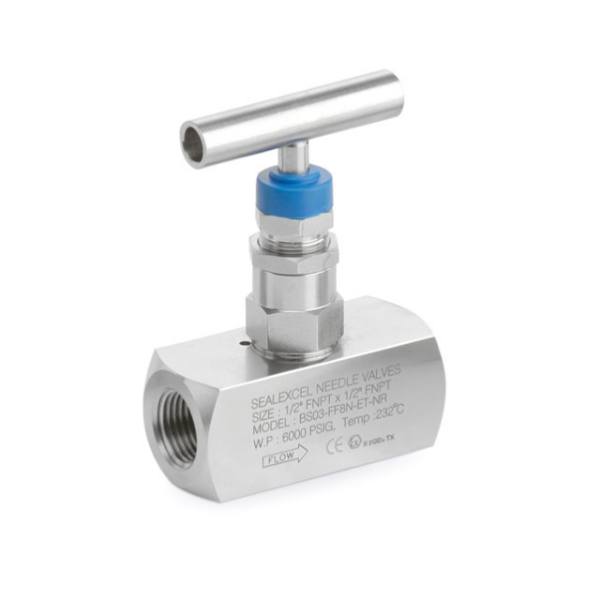
A needle valve looks simple. Small body, fine-threaded stem, a seat that closes slowly rather than slamming shut. What it actually does depends entirely on where it sits in the system. Experienced needle valve manufacturers ask about the line before suggesting a part number, because one valve can isolate, throttle or vent.

One Valve, Several Jobs Across the Plant

Isolation Duty Under Full Line Pressure: Isolation is the most common job. A gauge, a transmitter or a sampling point has to come off line without disturbing anything upstream. Needle valve manufacturers build the stem and seat for repeated closure at working pressure, since an isolation valve gets cycled far more than a throttling one ever will.

Venting and Pressure Measurement Roles: Bleeding trapped air from a circuit calls for controlled release, not a sudden dump. Among the top pneumatic companies in India, valve ranges are built around gauge protection and slow venting, where an operator wants pressure to fall in a measured way rather than all at once.

Stem Profile Decides How Finely Flow Behaves

Blunt Stems for General Shut-off Service: A blunt, non-tapered stem suits open-and-shut work. It reaches full bore quickly, keeping pressure loss down when the valve spends most of its life wide open. Comparing the flow coefficient across sizes shows a buyer how much any given body restricts the line at full lift.

Tapered Stems for Precise Flow Regulation: A vee or tapered stem changes the character completely. Each turn of the handle shifts flow slightly, so an operator can hold a sample line steady at a few millilitres per minute. Good needle valve manufacturers ask what resolution the duty needs before recommending a stem profile.

Where These Valves Earn Their Keep

Hydraulic and Pneumatic Line Demands: Some hydraulic circuits run at 350 bar and above, around 5000 psi, so body strength decides the choice there. Pneumatic lines are gentler on pressure and harder on cleanliness. Stainless bodies bring corrosion resistance that brass cannot match in damp plant air, though brass still serves dry indoor work.

Instrumentation and Gauge Protection Duty: Gauge protection is the quiet application nobody budgets for until a pointer snaps. Throttled down to a crack, the valve absorbs spikes before they reach the movement. Suppliers ranked among the top pneumatic companies in India stock these in panel-mount and bulkhead forms for instrumentation racks.

Details worth handing over before an order goes in:

  • Working pressure and temperature, both normal running and the worst case the line ever sees.
  • The medium. Wet gas behaves nothing like hydraulic oil.
  • Thread standard, NPT or BSP, plus the tube size it mates to.
  • How often the valve gets operated. Daily throttling wears a seat differently from an annual shutdown.
  • Vibration near compressors, which usually calls for a locking device on the handle.

Getting the Right Valve onto the Right Line

Application first, part number second. That order saves money later. Buyers who describe the actual duty, the media and the pressure swing end up with a valve that lasts, rather than one that fits the port and fails inside a year. Share the operating conditions with a technical team and ask for a recommendation before ordering.

computer accessories

What Determines the Router Price in Kenya when Different Models Offer Very Different Features

Two routers can look almost identical on a shelf and still sit far apart on cost. That gap confuses buyers more than anything else in home networking. Router price in Kenya reflects what the hardware can actually carry, not how impressive the box looks, and the difference shows up the moment several devices connect at once.

What Actually Sits behind the Number on the Tag

Wireless Standards and Throughput Set the Baseline: The router price in Kenya climbs sharply once a model supports newer wireless standards and higher combined throughput. Older single-band units handle browsing and email without complaint. Dual-band and tri-band hardware pushes far more data at once, and that extra radio capacity costs real money to build into one chassis.

Ports, Aerials and the Extras in the Box: Port count matters more than most shoppers expect. Gigabit ethernet ports, detachable aerials, USB sharing and better cooling all push cost upward. Much the same logic applies across computer accessories, where build quality and component grade separate two products that photograph identically. The cheaper unit skips the parts nobody photographs.

Where 4G LTE Models Part Ways with Standard Home Units

Built-In Modems Change the Cost Structure: A 4G LTE router carries a cellular modem, SIM slot and its own aerial array, so it prices above a plain home unit of similar speed. Households without fibre lean on these models. Shared network bandwidth across a busy flat drops noticeably when the signal is weak, and that shapes which model suits.

Coverage Claims Deserve a Second Look: Advertised coverage figures assume open space, which no Nairobi flat or office ever offers. Real coverage sits well below the number printed on the carton. Concrete walls, metal shelving and neighbouring signals eat range fast. Higher-priced models add better aerials, mesh support and stronger network security controls. None of that reaches the cheapest shelf.

Reading a Spec Sheet before Reading the Price

Matching the Model to the Room: A small flat with four devices needs nothing like the hardware a twenty-seat office runs. Comparing processor, memory and supported client count explains router price in Kenya far better than sorting a product list from cheapest upward. The cheapest unit fails first under load, and replacing it inside a year costs more.

Buying the Supporting Kit at the Same Time: A capable router still needs decent cabling, a surge-protected socket and sometimes a small switch. Sourcing those computer accessories alongside the router avoids the slow, expensive drip of replacing weak links later. Grid instability across many estates makes that protection less optional than it sounds. Power cuts never warn the equipment first.

Points Worth Checking before Paying: Specification sheets hide the useful details near the bottom, well past the marketing headline. A quick pass over a handful of figures separates a fair buy from a regret, and it takes two minutes at most. The list below covers what matters when two models look similar on paper.

  • Supported wireless standard, and whether the band split matches the number of devices in the house
  • Ethernet port speed. Fast ethernet and gigabit are not the same thing
  • Client capacity, which budget models quietly cap far lower than buyers assume
  • Aerial type, fixed or detachable
  • Firmware update history, since abandoned models turn into open doors
  • Warranty terms and whether service exists locally

A Network That Holds Steady Long after the Purchase

Spending a little more on the right specification usually costs less across three years than replacing a struggling unit twice. Work out how many devices connect, how much space needs covering and which connection type the building supports. Browse the full router range and matching accessories online, then order the model built for that load.

Business phone systems

How the Right Technology Support Can Improve Business Operations

Technology is one of the largest issues to deal with when operating a business. Many business owners recognize the importance of digital tools, yet they often fail to choose the right solutions. It is here that IT consulting in Fresno can assist businesses in understanding their technology requirements and making sounder decisions without the needless complexities.

Understanding the Need for Better Technology Solutions

All businesses need effective systems to communicate, manage data, and serve customers. Whether it is internet connectivity or business phone systems, the right technology configuration can help streamline daily operations. Nevertheless, in the absence of relevant knowledge, choosing appropriate tools can be confusing.

Why Professional Technology Guidance Matters

Technology continues to evolve rapidly, and companies must keep pace with these changes to remain effective. Professional guidance helps identify areas that require improvement and properly plan systems. For example, knowledge of network infrastructure can help companies establish a safer, more structured online environment.

Enhancing their data management process is also a concern for many organizations. Technologies such as cloud computing enable companies to store, retrieve, and manipulate information more effectively and facilitate flexible working conditions. Technology can be simpler to handle and more helpful for long-term growth with the right approach.

Creating a More Secure Digital Environment

Another factor that businesses cannot overlook is security. The number of cyber threats is rising, and businesses must have the right measures in place to safeguard their sensitive information. Adopting cybersecurity measures can minimize risks and enhance trust in using digital platforms.

An elaborate technology evaluation can pinpoint areas of weakness and suggest viable solutions. This is why most companies seek professional services in Fresno to understand their current configuration and plan future upgrades based on their needs.

Improving Efficiency Through Smart Technology Choices

The appropriate technology solutions will help to save time, minimize operational problems, and enhance communication among teams. Companies do not necessarily require complex systems, but they do require solutions aligned with their objectives and work style.

Knowledge of network security is also significant, as it helps safeguard digital networks and sensitive business data. With proper planning, businesses can prevent common technology errors and establish a more solid foundation.

Professional technology support can offer good guidance whether a business is expanding or upgrading its current operations. Technology can be used more efficiently, and companies can focus on their primary goals with the right planning and professional support. Selecting an IT consulting firm in Fresno can be a viable move towards improved technology management.

Crafting Your Dream: Custom Engagement Rings in Dallas

The decision to propose is monumental, and the engagement ring chosen to symbolize that commitment should be equally significant. While mass-produced rings offer convenience, a custom engagement ring provides an unparalleled opportunity to imbue the piece with personal meaning, reflecting the unique story and aesthetic of the wearer. In a vibrant metropolitan area like Dallas, the demand for bespoke jewelry has fostered a thriving ecosystem of skilled artisans and jewelers dedicated to transforming individual visions into tangible works of art. This guide delves into the intricate world of custom engagement rings, focusing on the expertise available in Dallas, the technical considerations, and the journey from concept to creation.

The Art of Custom Design: Your Vision, Our Expertise

The process of designing a custom engagement ring is a collaborative journey, merging a client’s aspirations with a jeweler’s technical prowess and artistic sensibility. It begins not with a diamond, but with a conversation. This initial consultation is crucial for understanding the recipient’s style, lifestyle, and the symbolic elements the ring should embody. Is the preference for classic elegance, modern minimalism, vintage charm, or something entirely avant-garde? These discussions inform every subsequent design choice.

Jewelers often employ advanced design software, such as Computer-Aided Design (CAD), to translate initial sketches and ideas into precise 3D models. This technological step allows for meticulous detailing and provides clients with photorealistic renderings of their proposed ring from multiple angles. The ability to visualize the design before fabrication is invaluable, enabling adjustments to proportions, stone settings, and intricate filigree work. For instance, a CAD model can accurately depict how a pavé setting will integrate with a specific band width, or how the prongs will secure a uniquely shaped gemstone without obscuring its brilliance.

Beyond CAD, some ateliers still embrace traditional wax carving, a method that offers a tactile experience and allows for organic forms that can be challenging to achieve digitally. This technique is particularly favored for intricate, sculptural designs or when working with unusual gemstone cuts. The wax model serves as a physical prototype, allowing for final adjustments before the design is cast in the chosen metal.

The selection of metal is another critical design element, impacting both aesthetics and durability. Common choices include:

  • Platinum: A naturally white, dense, and hypoallergenic metal, platinum is highly durable and resistant to tarnish. Its strength makes it ideal for securing diamonds and gemstones.
  • Gold (14K, 18K, 22K): Available in yellow, white, and rose hues. Yellow gold offers a classic warmth, white gold (often rhodium-plated) provides a bright, silvery appearance, and rose gold, an alloy with copper, presents a romantic, blush tone. The karat weight indicates purity, with 18K being a popular balance of purity and durability.
  • Palladium: A member of the platinum group metals, palladium is lightweight, naturally white, and hypoallergenic, offering an alternative to platinum at a potentially lower cost.

The choice of metal also influences the overall cost and maintenance requirements of the ring. A skilled jeweler will guide clients through these options, explaining the metallurgical properties and how they align with the design and the wearer’s daily activities.

Beyond the Bling: GIA Certified Diamonds & Ethical Sourcing

While the design sets the stage, the central gemstone, often a diamond, takes center stage. The selection of this stone is paramount, and for custom engagement rings in Dallas, a focus on GIA certified diamonds is a hallmark of quality and transparency. The Gemological Institute of America (GIA) is an independent, non-profit organization that established the “4 Cs” of diamond quality: Carat Weight, Cut, Color, and Clarity. A GIA certificate provides an unbiased assessment of a diamond’s characteristics, offering assurance of its authenticity and value.

  • Carat Weight: The most commonly understood “C,” referring to the diamond’s weight, not its size.
  • Cut: Arguably the most crucial “C” for a diamond’s brilliance. It refers to how well a diamond’s facets interact with light, determining its sparkle, fire, and scintillation. GIA grades cut quality on a scale from Excellent to Poor.
  • Color: Graded on a scale from D (colorless) to Z (light yellow or brown). Colorless diamonds are the most rare and valuable.
  • Clarity: Measures the absence of inclusions (internal flaws) and blemishes (external imperfections). Graded from Flawless (FL) to Included (I).

Beyond the 4 Cs, ethical sourcing has become a critical consideration for many consumers. Reputable jewelers in Dallas prioritize sourcing diamonds and gemstones through channels that adhere to strict ethical and environmental standards. This often involves working with suppliers who comply with the Kimberley Process Certification Scheme, an international initiative to prevent the flow of conflict diamonds. Furthermore, some jewelers go above and beyond, tracing the origin of their stones to specific mines or working with artisanal miners who uphold fair labor practices and environmental stewardship. This commitment to ethical sourcing ensures that the beauty of the ring is matched by a clear conscience.

For those seeking alternatives to natural diamonds, lab-grown diamonds offer an increasingly popular option. These diamonds possess the same chemical, physical, and optical properties as natural diamonds but are created in a controlled laboratory environment. They also come with GIA or IGI certifications, providing the same level of quality assurance. The availability of both natural and lab-grown options allows clients to make choices that align with their values and budget.

Why Choose a Dallas Jeweler for Your Custom Ring?

Choosing a local Dallas jeweler for a custom engagement ring offers distinct advantages over online retailers or out-of-state options. Proximity allows for in-person consultations, which are invaluable for a process as personal and intricate as custom jewelry design. The ability to sit down with a designer, discuss ideas face-to-face, and physically inspect prototypes ensures that every detail is meticulously addressed. This direct interaction fosters a relationship of trust and understanding, crucial for translating a deeply personal vision into reality.

Dallas jewelers, particularly those specializing in custom work, often possess a deep understanding of local preferences and trends, while also being attuned to global design movements. They are part of the community, building reputations on craftsmanship, integrity, and personalized service. For those seeking custom engagement rings in Dallas, the opportunity to work with experts like Lance Shapiro, a diamond expert, and Kendra Shapiro, an award-winning jewelry designer, at Shapiro Diamonds Dallas Engagement Rings exemplifies this local expertise. Their commitment to personally sourcing GIA certified diamonds and handcrafting each ring in Dallas underscores the value of local artistry and dedication.

Furthermore, a local jeweler provides convenient access for future services, such as resizing, cleaning, repairs, and annual inspections. These post-purchase services are essential for maintaining the longevity and beauty of an engagement ring, which is often worn daily. The convenience of a local presence simplifies these routine maintenance tasks, ensuring the ring remains a cherished symbol for years to come. The ability to easily visit a physical location for these services is a significant benefit that online-only retailers cannot replicate. For a direct consultation and to explore their workshop, you can find their location via custom engagement rings dallas.

Your Journey to “Yes”: The Custom Ring Experience

The journey to creating a custom engagement ring is an exciting and memorable experience, culminating in a piece that is as unique as the love it represents. The process typically unfolds in several key stages:

  • Initial Consultation & Concept Development: This is where ideas are born. Clients share their vision, inspiration, and budget. The jeweler offers expert advice on design possibilities, gemstone options, and metal choices. This stage often involves sketching and exploring different aesthetic directions.
  • Design & Prototyping: Based on the consultation, the jeweler creates detailed CAD renderings or wax models. This iterative process allows for client feedback and revisions, ensuring the design perfectly matches their expectations. Technical specifications, such as stone dimensions, metal thickness, and setting security, are meticulously planned.
  • Gemstone Selection: With the design finalized, the focus shifts to selecting the perfect diamond or gemstone. The jeweler presents a curated selection of GIA certified stones, explaining the nuances of their characteristics and how they will appear within the chosen setting.
  • Craftsmanship & Fabrication: Once the design and gemstone are approved, the ring moves into the fabrication phase. Skilled artisans, often using a combination of traditional techniques and modern technology, meticulously craft the ring. This involves casting the metal, setting the stones, and performing intricate finishing work like polishing and engraving. Quality control checks are performed at every stage to ensure precision and durability.
  • Final Presentation: The culmination of the journey is the presentation of the finished ring. This moment is often filled with anticipation and emotion, as clients see their vision brought to life in a tangible, exquisite form. The jeweler also provides care instructions and documentation, including the GIA certificate and appraisal.

The timeline for a custom engagement ring can vary, typically ranging from 4 to 8 weeks, depending on the complexity of the design, the availability of specific gemstones, and the jeweler’s current workload. It’s advisable to begin the process well in advance of the planned proposal date to allow ample time for design iterations and meticulous craftsmanship.

In conclusion, a custom engagement ring from a Dallas jeweler offers more than just a piece of jewelry; it offers a personalized narrative, meticulously crafted with expertise, ethical considerations, and a deep understanding of individual desires. It is an investment in a symbol that will be cherished for a lifetime, a testament to a love story that is truly one-of-a-kind.

naturopath ottawa

Discovering Naturopathic Care in Ottawa: A Comprehensive Guide

Naturopathic medicine, a distinct primary healthcare system, emphasizes prevention, treatment, and optimal health through the use of therapeutic methods and substances that encourage individuals’ inherent self-healing process. In Ottawa, a growing number of residents are exploring naturopathic approaches to complement conventional medical care or to address chronic conditions where traditional methods have fallen short. This guide provides an authoritative overview of naturopathic care in the nation’s capital, offering insights into its principles, services, and how to choose a qualified practitioner.

Understanding Naturopathic Medicine in Ottawa

Naturopathic medicine operates on a set of core principles that guide diagnosis and treatment. These include: first, to do no harm; second, to act in cooperation with the healing power of nature; third, to identify and treat the root causes of disease, rather than merely suppressing symptoms; fourth, to treat the whole person, considering individual physical, mental, emotional, genetic, environmental, and social factors; fifth, to teach patients healthy living and self-care; and sixth, to emphasize prevention.

In Ontario, naturopathic doctors (NDs) are regulated health professionals, governed by the College of Naturopaths of Ontario (CONO) under the Regulated Health Professions Act, 1991, and the Naturopathy Act, 2007. This regulatory framework ensures that NDs meet rigorous educational and professional standards, including completing a four-year, full-time program at an accredited naturopathic medical college, passing comprehensive board examinations, and adhering to a strict code of ethics. This level of oversight provides a layer of assurance for patients seeking naturopathic care in Ottawa, distinguishing qualified practitioners from those without formal training or regulation.

The practice of naturopathic medicine often involves a detailed patient history, physical examination, and may include functional laboratory testing to identify underlying imbalances. Unlike conventional medicine that often focuses on disease management through pharmaceuticals, naturopathic treatment plans are highly individualized and may incorporate a range of natural therapies aimed at restoring balance and promoting the body’s innate healing capabilities.

Services Offered by Ottawa Naturopaths

Naturopathic doctors in Ottawa offer a diverse array of services, tailored to address a wide spectrum of health concerns. These services are grounded in both traditional wisdom and evidence-based research, providing a holistic approach to health and wellness.

Common services include:

  • Clinical Nutrition: Dietary assessments, personalized meal plans, and nutritional supplementation to address deficiencies, support metabolic function, and manage conditions like digestive disorders, weight imbalances, and chronic fatigue. This often involves identifying food sensitivities or allergies through specialized testing.
  • Botanical Medicine: The use of plant-based medicines (herbs) in various forms, such as tinctures, teas, capsules, and topical applications, to treat and prevent illness. Botanical medicine is often employed for its anti-inflammatory, immune-modulating, or hormone-balancing properties.
  • Traditional Chinese Medicine (TCM) and Acupuncture: Incorporating ancient practices like acupuncture, cupping, and herbal formulas to balance the body’s energy (Qi), alleviate pain, reduce stress, and support organ function. Acupuncture, in particular, is frequently used for pain management, fertility support, and stress reduction.
  • Lifestyle Counselling: Guidance on stress management techniques, sleep hygiene, exercise routines, and environmental toxin reduction to foster overall well-being and prevent disease.
  • Hydrotherapy: The therapeutic application of water in various forms (hot, cold, steam, ice) to stimulate circulation, reduce pain, and enhance detoxification.
  • Homeopathy: A system of medicine based on the principle of “like cures like,” using highly diluted substances to stimulate the body’s healing response.
  • Physical Medicine: Techniques such as massage, hydrotherapy, and therapeutic exercise to address musculoskeletal issues and promote physical rehabilitation.
  • Intravenous (IV) Nutrient Therapy: Administering vitamins, minerals, and other nutrients directly into the bloodstream for rapid absorption and therapeutic effect, often used for nutrient deficiencies, immune support, or energy enhancement. This service is available at various clinics, including Nutrichem Clinic, which offers a range of specialized IV therapies.
  • Laboratory Testing: Beyond standard blood work, naturopaths often utilize specialized functional lab tests, such as comprehensive digestive stool analysis, heavy metal testing, hormone panels (salivary or urinary), and food sensitivity testing, to gain deeper insights into a patient’s physiological function.

The cost of naturopathic services in Ottawa can vary. Initial consultations typically range from $150 to $300, with follow-up appointments costing between $75 and $150. Specialized treatments like IV therapy or extensive lab tests will incur additional fees, often ranging from $100 to several hundred dollars per session or test. While OHIP does not cover naturopathic services, many extended health insurance plans in Canada do provide coverage, making it important for patients to check with their providers.

Choosing the Right Naturopathic Doctor in Ottawa

Selecting a naturopathic doctor is a personal decision that can significantly impact your health journey. Given the array of practitioners and approaches, a thoughtful selection process is crucial.

Consider the following factors when choosing an ND in Ottawa:

  • Licensing and Regulation: Always ensure the naturopathic doctor is licensed and in good standing with the College of Naturopaths of Ontario (CONO). This is the primary indicator of a qualified and regulated practitioner. You can verify their registration on the CONO website.
  • Specialization and Experience: Some NDs have particular interests or specializations, such as women’s health, digestive issues, chronic pain, or pediatric care. If you have a specific health concern, look for a practitioner with relevant experience and expertise.
  • Philosophy and Approach: Naturopathic medicine is diverse. Some NDs may lean more towards botanical medicine, while others might emphasize nutrition or acupuncture. Understand their general philosophy and ensure it aligns with your health goals and preferences.
  • Communication Style: A good rapport with your healthcare provider is essential. Look for an ND who listens attentively, explains concepts clearly, and involves you in the decision-making process for your treatment plan.
  • Clinic Environment and Location: Consider the clinic’s accessibility, hours of operation, and overall atmosphere. A comfortable and convenient location can make a difference in your commitment to treatment. For those seeking a naturopath in Ottawa, exploring local clinics and their offerings is a good starting point. A quick search for naturopath ottawa can provide a list of local practitioners and their locations.
  • Cost and Insurance Coverage: Inquire about consultation fees, the cost of additional therapies or supplements, and whether they offer direct billing to insurance providers. As mentioned, most extended health plans cover naturopathic services, but coverage limits vary.
  • Referrals and Reviews: Word-of-mouth referrals from trusted friends or family can be valuable. Online reviews can also provide insights into other patients’ experiences, though they should be considered alongside other factors.

A preliminary phone consultation, often offered free of charge, can be an excellent way to assess if a particular naturopathic doctor is a good fit for your needs before committing to an initial appointment.

Conditions Addressed by Naturopathic Treatment

Naturopathic medicine is often sought for a wide range of health conditions, both acute and chronic. Its holistic approach makes it suitable for addressing complex health issues that may not respond well to conventional symptomatic treatment alone.

Common conditions that naturopathic doctors in Ottawa frequently address include:

  • Digestive Disorders: Irritable Bowel Syndrome (IBS), Crohn’s disease, ulcerative colitis, acid reflux, bloating, constipation, and food sensitivities. Naturopathic treatment often involves dietary modifications, probiotics, digestive enzymes, and herbal remedies to restore gut integrity.
  • Hormonal Imbalances: Thyroid disorders (hypothyroidism, hyperthyroidism), adrenal fatigue, premenstrual syndrome (PMS), polycystic ovary syndrome (PCOS), menopause symptoms, and fertility challenges. Treatment may include botanical medicine, nutritional support, and lifestyle adjustments to balance hormone levels.
  • Chronic Pain and Inflammation: Arthritis, fibromyalgia, migraines, and general musculoskeletal pain. Naturopathic approaches can include anti-inflammatory diets, acupuncture, hydrotherapy, and specific supplements.
  • Stress, Anxiety, and Mood Disorders: Generalized anxiety, depression, insomnia, and chronic stress. Treatment often focuses on stress reduction techniques, adaptogenic herbs, nutritional support for neurotransmitter balance, and lifestyle counselling.
  • Fatigue and Energy Issues: Chronic fatigue syndrome, low energy, and burnout. NDs investigate underlying causes such as nutrient deficiencies, mitochondrial dysfunction, and hormonal imbalances.
  • Allergies and Environmental Sensitivities: Seasonal allergies, asthma, and chemical sensitivities. Treatment aims to strengthen the immune system and reduce inflammatory responses.
  • Skin Conditions: Eczema, psoriasis, and acne. Naturopathic care often addresses these conditions from an internal perspective, focusing on gut health, detoxification, and dietary factors.
  • Cardiovascular Health: High blood pressure, high cholesterol, and metabolic syndrome. Naturopaths provide guidance on diet, exercise, and natural supplements to support heart health.
  • Immune System Support: Frequent infections, autoimmune conditions, and general immune enhancement. Strategies include immune-modulating herbs, vitamins, and lifestyle interventions.

It’s important to note that naturopathic treatment is typically complementary to conventional medical care. For acute emergencies or severe chronic diseases, collaboration with medical doctors is often recommended to ensure comprehensive and integrated care.

Connecting with Ottawa Naturopathic Clinics

Ottawa is home to a vibrant community of naturopathic practitioners and clinics, each offering unique strengths and specializations. When seeking naturopathic care, it’s beneficial to research several clinics to find one that aligns with your health philosophy and specific needs.

Many clinics offer online booking systems, making it convenient to schedule initial consultations. Most also provide detailed information about their practitioners, services, and treatment philosophies on their websites. It’s advisable to review these resources thoroughly before making an appointment.

When contacting a clinic, consider asking about:

  • The initial consultation process: What does it entail, and how long does it last?
  • Typical treatment plans: What types of therapies are commonly recommended for conditions similar to yours?
  • Collaboration with other healthcare providers: Do they work alongside medical doctors or specialists if needed?
  • Payment options and insurance billing: Clarify all financial aspects upfront.

Engaging with a naturopathic doctor in Ottawa can be a transformative step towards achieving optimal health and well-being. By understanding the principles of naturopathic medicine, the services available, and how to choose a qualified practitioner, individuals can make informed decisions and embark on a personalized healing journey. The emphasis on identifying root causes, treating the whole person, and empowering patients with knowledge makes naturopathic care a valuable component of a comprehensive health strategy in the nation’s capital.

Last Day in the Flat: End of Tenancy Cleaning for Epsom Movers

The last day in a rented flat has a way of getting messy. Boxes by the door, a van waiting outside, and somewhere at the back of your mind sits the deposit you would quite like returned in full. End of tenancy cleaning often gets pushed to the final hour, and that is usually the moment things slip. You run low on time and energy, and the inspection does not care either way.

Here is the part most people underestimate. End of tenancy cleaning is not the same as a quick tidy before friends come over. Letting agents in Epsom check inside cupboards, along skirting boards, and into the corners of the oven where grease has built up over months. Miss those and the deductions start stacking. A proper clean protects money you have already handed over, which feels like the whole point.

Why the Move Out Clean Decides Your Deposit

Most deposit disputes come down to one thing. The property looked lived in, the agent expected it back the way it started, and that gap turned into a line on your final statement.

Think about what a new tenant sees on day one. Clean windows. A kitchen that smells of nothing at all. Bathroom tiles without watermarks. That is roughly the mark your agent measures against, and honestly, it is fair enough when you sit with it.

This is where end of tenancy cleaning Epsom earns its keep. T&M Cleaning Services works to that standard across Epsom and the KT17, KT18, and KT19 postcodes. You get your family time back instead of spending your last evening scrubbing an oven.

What Epsom Movers Miss Most

Some spots get forgotten every single time. Not because tenants are careless, but because these places sit out of sight during normal life.

  • Limescale on the shower screen and around taps
  • Grease film on the extractor and the top of kitchen units
  • Skirting boards and the dust that gathers behind doors
  • Inside windows, frames, and the sills nobody wipes
  • Cobwebs in ceiling corners that only show under good light

None of these takes long on their own. Together though, they are the difference between a passed inspection and a chunk of your deposit gone.

Booking a Clean Around a Move

Moving day is chaos. You do not want to be coordinating a clean on top of the van, the keys, and the meter readings. Perhaps the biggest relief is simply handing that one job to someone else.

The T&M team arrives fully equipped with their own products and tools, so there is nothing for you to arrange. They work through the whole property while you deal with the move itself. Kitchens, bathrooms, bedrooms, living areas: all done to the checklist agents actually use at checkout.

They can often fit Epsom properties in at short notice, which matters when your moving date shifts and your deadline does not. Book it, confirm the details, and the end of tenancy cleaning Epsom job is handled. Kick back, relax, and enjoy your family time while the team gets on with it.

In Closing

Your last day in the flat should be about the next place, not the one you are leaving. A good end of tenancy clean lets you close the door behind you knowing the deposit is safe. That is a better way to end a tenancy than on your knees with a sponge at midnight.

Want to make your home look better and fresher before you go? The friendly staff at T&M can take that off your plate.

Orthopaedic Hospital

Orthopaedic Hospital Explains Why Early Treatment Can Protect Long-Term Joint Health

A sore knee that gets ignored for months can turn into a joint that never moves the same way again. That is the pattern every orthopaedic hospital sees week after week. Pain is easy to push aside when life gets busy, yet cartilage and bone keep changing quietly underneath the surface.

Why Waiting Costs More than It Saves

Timely Care Changes the Outcome: An orthopaedic hospital brings scanning, specialist assessment, and treatment planning together in one place, which helps patients get clear answers within days instead of months. Early diagnosis shows whether a problem needs surgery or can settle with rest and guided exercise. That single distinction shapes everything that follows.

Local Expertise Matters: A trusted physician in Ranchi can assess joint pain early, order the right imaging, and connect patients with the correct specialist before damage spreads further. Small delays add up. A ligament strain treated in week one behaves very differently from the same injury reviewed six months down the line.

What Early Diagnosis Actually Reveals

Tests Tell the Real Story: Imaging and blood work uncover things pain alone cannot explain. A scan may reveal falling bone density, early arthritis, or a hairline fracture hiding behind ordinary stiffness. Doctors use these findings to match each patient with the right approach rather than guessing from symptoms alone.

Surgery Is Not Always the Answer: Plenty of patients walk into an orthopaedic hospital expecting an operation and leave with a physiotherapy plan instead. Non-surgical care works well when problems get caught early. Braces, targeted exercise, and medication can hold a joint steady for years. Surgery stays in reserve for cases that truly need it.

Building Strength after the Diagnosis

Movement Is Medicine: Structured physical rehabilitation rebuilds the muscles that protect a joint, and stronger muscles take pressure off worn cartilage. Sessions start gently. A therapist adjusts the load week by week, watching how the body responds. Skipping this stage is one reason some patients never regain their full range of movement.

Follow-Up Keeps Progress on Track: Regular reviews with a physician in Ranchi give patients a clear picture of how their joints are healing and whether the plan needs adjusting. Weight, posture, and daily activity all feed into joint health. Doctors track these together, not in isolation, and small corrections made early prevent bigger setbacks later.

Daily Habits that Protect Your Joints

Hospital care does half the job. What happens between appointments decides the rest. Joints respond to how you sit, move, and eat every single day, so a few steady habits can support whatever treatment plan your doctor prescribes. None of them cost money. All of them build on each other over time.

  • Keep moving, even ten minutes of walking daily keeps joints lubricated
  • Watch your weight, since every extra kilogram adds load to knees and hips
  • Stretch before exercise
  • Eat foods rich in calcium and vitamin D to support bone strength

None of these replace medical care. They work alongside it. Patients who pair healthy routines with regular check-ups recover faster and stay mobile longer than those who rely on treatment alone. The habit part is yours to control, and that control counts for more than most people realise.

Strong Joints Start with One Appointment

Joint damage rarely announces itself loudly. It creeps in through stiffness, small aches, and movements you slowly stop doing. Booking a consultation at the first sign of trouble gives specialists the best chance to protect your mobility for decades. Do not wait for the pain to decide for you. Book that assessment this week.

Fort Myers Beach vacations

Why do travelers want to stay near Fort Myers Beach ?

There is a lot more to beach trips than just picking a location. Accommodations influence the entire trip. From early morning strolls to late beachside dinners, accommodations impact the trip experience. For this reason, travelers spend large amounts of time looking for the best accommodations.

Vacation rentals Ft Myers Beach provide a comfortable home base while keeping guests close to the island’s most popular attractions. Rentals provide the space and accommodations for a stress-free trip for families, friends, and couples.

Why do so many travelers keep visiting Fort Myers Beach ?

Fort Myers Beach attracts visitors from across the country with its beautiful shoreline, warm weather, family-friendly atmosphere, and wide range of activities.  Wondering what types of activities will provide you with this ultimate balance of relaxation and fun?

Here are some popular things to do:

  • Relax on the white-sand beaches
  • Enjoy a meal al fresco with a view
  • Go fishing and enjoy the many different water-based sports and activities
  • Catch a stunning sunset
  • Explore the nearby nature preserves

The U.S. Travel Association states that the beach has become the preferred destination for domestic travelers, with the greatest impact on travel expenditures.

Choosing the Right Place to Stay

Your travel choice has the potential to impact every element of your vacation. Your travel choice can even impact your beach time.

Beach Time is the Best Time

Reduced travel time gives more time for fun in the sun.

Room to Relax

Vacation accommodations give you more room to enjoy your trip.

Your Space, Your Way

Vacation accommodations with kitchens, multiple bedrooms, and private outdoor space enhance the comfort of your trip.

Why Visitors Love Fort Myers Beach  vacations

Reasons why Fort Myers Beach  vacations remain popular are:

  • Kayaking and paddle boarding
  • Dolphin watching tours
  • Fishing charters
  • Shell collecting
  • Sunset cruises
  • Shopping and entertainment

The variety of activities appeals to families, couples, solo travelers, and groups alike. According to Visit Florida, Florida had an astounding 140.6 million visitors in 2023. The combination of beautiful beaches, outdoor recreation, dining, and entertainment continues to attract visitors to Florida year after year.

Things to consider when planning the perfect beach trip

The perfect beach trip requires a little research and a lot of planning. Here are the best ways to ensure you get the most out of all of the pre-planned activities you’ve set for this beach trip.

Make your reservations

Make sure you have your reservations. Prime vacation rental spots are booked fast during popular vacation times.

Stay close to your favorite attractions

Choosing accommodations close to major attractions can reduce travel time and maximize vacation enjoyment.

Leave room for fun

Make a general plan, but be sure to leave time for activities outside of your plans. This will lead to creating some of your most fun memories.

High comfort

Packing beachwear, sunscreen, and other essentials can help you enjoy a more comfortable vacation.

Conclusion

A great beach vacation encompasses a stunning location, a nice place to stay, and fun activities. With good planning and a little research on accommodations, a traveler can enjoy an inviting beach trip with the perfect balance of rest, adventure, and memory-making with their loved ones.

Exclusive Quebec Outfitter

Experience Northern Waters with a Trusted Exclusive Quebec Outfitter

Experience more than just fishing in Quebec. Wilderness and peaceful environments can’t be found everywhere. An Exclusive Quebec Outfitter can enhance that experience. With the right outfitter, anglers can relax and enjoy their fishing vacation, rather than worry about logistics.

The things an exclusive Quebec Outfitter does help you maximize your fishing fun, from providing comfortable cabins to taking the guesswork out of your fishing arrangements by including guided fishing excursions in their packages. With experience or not, Quebec makes the perfect fishing destination for the first-time angler or the veteran fisherman.

Why Quebec is Still One of the Best Fishing Destinations

Quebec is home to thousands of lakes and river systems that are teeming with healthy fish populations that entice not only fishers from Canada, but also from the United States and around the world. This part of the world is well-known for its pristine and clear waters and diverse fishing, as well as remote wilderness that is largely unspoiled. In order to protect the quality of the fishing, many outfitters limit access to certain outfitting areas.

The Government of Quebec reports that the province has over 500,000 lakes and an extensive river system, making Quebec a top destination for freshwater fishing in North America.

Why Choose an Outfitters Experience?

Planning a fishing trip can be a challenge; it’s not as simple as just picking a lake. There’s ultimately a lot more to it. Things like timely transportation, accommodations, equipment, and even local knowledge can greatly affect how successful a fishing trip is. A good outfitter takes care of all those things for you.

Benefits of Booking Through an Outfitter

  • You can fish at the best locations.
  • You can stay at nice accommodations and fish out of rental boats that even include fishing gear.
  • You can hire a local guide.
  • They can even provide meal plans and other additional services.

This all allows you to spend the entire time fishing while they take care of all the other details.

The Advantage of a Quebec Walleye Outfitter

Walleye is well known for being one of the most popular freshwater sport fish species in all of Canada for their fights and amazing meals. Using a Quebec Walleye Outfitter gives you access to areas that have plenty of healthy walleye. A local guide can really help you with seasonal changes, feeding, and other patterns that are really helpful. They can help you learn techniques that can be beneficial even after this outing.

Fishing in the Quebec Wilderness

One of the best parts of fishing in Quebec is that it’s not really as popular, so a lot of outfitters find secluded areas where the fishing pressure is light. The outdoor experience has been taken to a new level through the relaxation value added to every experience and has left anglers connected to nature even more.

Fisheries and Oceans Canada reported that recreational fishing accounts for billions of dollars in revenue for Canada, and supports the economy overall along with the tourism industry across several regions. The recent boom in Fishing Tourism reaffirms the need for appropriate quality fishing resources in addition to quality visitor resources.

Conclusion

Quebec’s remote fishing destinations will continue to be popular choices for those looking for quality fishing and wilderness as they provide an experience like no other. As knowledgeable outfitters understand, fishing vacations require planning to help create and execute memories that not only will last a lifetime, but will be reminisced and shared for generations and enshrined in family history for years to come.

North Bay plumber

North Bay Plumber Explains the Plumbing Issues Homeowners Should Never Ignore

That faint drip behind the bathroom wall seems harmless right now. Homeowners tell themselves the same thing every winter, and every winter a North Bay plumber gets called out to repair water damage that started as something small. Plumbing problems almost never announce themselves loudly. They build in silence, and the bill builds with them.

Small Leaks, Big Bills

Hidden Drips That Rot from Within: A pinhole leak inside a wall can run for months before anyone notices the stain. By then the damage has spread into insulation, framing and flooring. Booking a North Bay plumber at the first sign of dampness costs far less than tearing out rotted drywall. Waiting is the expensive choice, even when it feels cautious.

Pressure Drops That Point to Trouble: Low water pressure gets blamed on the municipal supply more than it should. In older homes across the region, corroded galvanised lines are the real culprit. Local North Bay plumbing services see this pattern constantly, and they know which materials hold up through harsh northern winters. A quick inspection settles the question in under an hour.

Drains That Keep Fighting Back

Recurring Clogs and What They Really Mean: A drain that clogs once a year is annoying. One that clogs every month is warning you about something deeper, perhaps tree roots or a sagging line underground. Chemical cleaners burn through the symptom while the cause keeps growing. Regular preventive maintenance catches these faults early, long before sewage ends up in the basement.

Water Heaters Running on Borrowed Time: Rumbling from the tank and rusty water at the tap are the final warnings before a heater fails outright. Showers going cold too fast belong on that list as well. A North Bay plumber can flush sediment, test the anode rod and tell you honestly whether repair or replacement makes better financial sense.

Warning Signs Hiding in Plain Sight

Everyday Signals Worth Taking Seriously: Most warning signs cost nothing to spot. They just need someone paying attention during ordinary routines like washing up or running a bath. Acting early buys real peace of mind, and that matters when a burst pipe can flood a finished basement in minutes. A few things deserve a closer look whenever they appear:

  • Water stains spreading across a ceiling or wall
  • A metre that keeps ticking when every tap is off
  • Gurgling from drains after the washing machine empties
  • Musty smells near cabinets
  • A water bill that jumps for no clear reason

Local Knowledge Beats Generic Fixes: Frost depth and ageing municipal lines shape how problems show up in this part of Ontario. Generic online advice was not written with this climate in mind. Experienced North Bay plumbing professionals build repairs around local conditions, which is why their work lasts through more than one season. Temporary patches rarely survive a February cold snap.

Stay Ahead of the Next Plumbing Surprise

Every problem on this list gets cheaper the earlier someone deals with it. Delay is the only thing that makes plumbing expensive. Homeowners who book an inspection at the first odd sound or damp patch keep repairs small and predictable. Call a trusted local plumber today and deal with the problem while it is still a minor one.

Franchise agreement attorney

Franchise Litigation Lawyer: Why You Need a Franchise Agreement Attorney

The franchising model offers many opportunities to develop one’s business and invest resources. Still, it is also connected with complicated legal arrangements that determine the rights and duties of both the franchisor and the franchisee. To understand all the terms of the agreement and avoid possible legal troubles, it is necessary to have requisite knowledge about them. You may consult a franchise litigation lawyer or a franchise agreement lawyer.

Understanding Franchise Agreements

The franchise agreement provides the legal framework under which the franchise operations will be managed and covers topics such as royalties, territorial issues, obligations and responsibilities, renewals, and even termination of the agreement. Many franchise agreements are long documents with complicated legal terminology that impose heavy duties and responsibilities on the franchisee. Franchise agreements are often structured to serve the interests of the franchisor; hence, it is very important to be fully aware of what you are getting into. A franchise agreement attorney can take the time to go through the entire agreement and help you understand the terms contained in the document.

When to Hire a Franchise Agreement Attorney

Legal consultation can be of great value at several stages of the franchising process. Potential franchisees should consult with a lawyer before signing any documents and paying any franchise fees. In addition, it will be helpful to consult a lawyer to determine whether the proposed franchise meets your business goals.

For franchise owners, legal consulting is recommended during negotiations for franchise renewal, transfer of interests, or dealing with a notice of default/termination of the agreement. Franchise agreements usually include strict timelines which may affect your rights if you fail to comply with them. Consulting with a franchise agreement attorney before disputes arise can prevent misunderstandings and help to avoid lawsuits.

The Role of a Franchise Litigation Lawyer

Disputes can occur between the franchisor and the franchisee regardless of how well-planned the relationship may be. Franchise litigation can encompass issues of breach of contract, misrepresentation, wrongful termination, failure to disclose, and territorial and operational conflicts.

A franchise litigation lawyer works to settle disputes through negotiation, mediation, arbitration, and even trial. He evaluates your claim to formulate litigation strategies. Disputes in franchising can cost a lot of money and time. Being represented by an experienced franchise litigation lawyer may help safeguard your finances and your business operations.

Common Franchise Disputes

Disputes relating to the franchising business relationship can arise at any point. Such issues generally relate to franchise costs, royalties, non-compete agreements, renewal, and termination. The franchisee can also experience problems regarding operational standards and failure to support the business. As such disputes relate to the contractual and statutory aspects of franchising laws, knowledge of the applicable legal system is vital.

Protecting Your Franchise Investment

Being a part of a franchise business deal is a crucial business step that requires proper legal assistance. Whether you need help analyzing your contracts or dealing with a current controversy, a franchise litigation lawyer and a franchise agreement lawyer can help protect your business interests. Apart from helping you avoid unnecessary controversies, proper legal advice can give you confidence in making your business decisions.

Cooling mattress topper

Double Bed Mattress Topper Choices Are Redefining How Couples Upgrade Sleep without Buying a New Bed

Plenty of couples share a double mattress that still holds its shape yet no longer feels comfortable enough for getting proper rest. The frame is fine, the core is intact, and replacement feels wasteful. A good double bed mattress topper in memory foam or a cooling build can refresh that surface and make the bed worth sleeping on again.

A Second Life Hiding under the Sheets

Comfort That Fades before the Bed Does: The top comfort layer of a mattress wears down long before the core gives way, which is why an otherwise firm bed can still feel lumpy or strangely flat by morning. A double bed mattress topper rebuilds that worn surface, adding cushioning across the shoulders, hips, and lower back so both partners settle in without dropping into old grooves.

Warm Nights and the Sleep They Steal: Heat is the other reason a familiar bed turns restless, especially through long Indian summers when the surface traps warmth against the body all night. A cooling mattress topper built with gel-infused memory foam pulls heat away and keeps airflow moving, so a couple stops waking at 3am damp and irritable and finally sleeps through until the alarm.

Matching the Layer to the Way Two People Sleep

Firmness That Suits Two Different Bodies: Couples rarely share the same idea of a good mattress, and a topper can settle that difference quietly. A denser foam adds support beneath a heavier partner while a softer top layer cushions a lighter one, and steady pressure relief across the whole surface means neither person rolls towards the middle or wakes with a stiff, aching hip.

Temperature You Can Actually Control: Material choice decides how a bed copes with India’s climate far more than most buyers expect. Latex sleeps naturally cooler and dense memory foam moulds closely to the body. A gel cooling mattress topper sits between the two, cushioning pressure while venting the heat it would otherwise hold, which suits anyone who tends to run warm at night.

What Separates a Good Topper from a Cheap One

Support the Spine Notices by Morning: Thickness and density do most of the real work here, and cutting corners on either one shows up as morning aches. A topper of around five to seven centimetres holds proper spinal alignment through the night, keeping the back level rather than letting the hips sink, and that is the difference many sleepers notice within a week.

Fit and Fabric That Earn Their Keep: Size and cover quality quietly decide whether a topper lasts for years or frustrates within months. A double bed mattress topper should match the mattress exactly, with elasticated straps or a fitted skirt that stops it shifting each night, and a breathable, washable cover that resists dust mites and copes with humid weather without trapping odours.

A Quick Checklist before You Commit

  • Sleeping Position: Side sleepers need more give at the shoulder and hip, while back sleepers do better on a firmer, flatter layer.
  • Body Weight Gap: A wide weight difference between partners calls for a denser topper that supports both without dipping in the middle.
  • Room Temperature: Warm bedrooms favour gel or latex toppers, which shed body heat far better than plain memory foam does on humid nights.
  • Cover Care: Look for a removable, machine-washable cover, since a double topper is far too awkward to clean any other way.

Give a Tired Bed the Comeback It Deserves

There is no need to spend on a whole new mattress when the one you own has simply lost its top-layer comfort. The right topper brings back support, cooling, and proper rest for a fraction of the price. Compare sizes and materials against how you and your partner sleep, and give your bed the upgrade it has been asking for.