What Determines the Router Price in Kenya when Different Models Offer Very Different Features
Two routers can look almost identical on a shelf and still sit far apart on cost. That gap confuses buyers more than anything else in home networking. Router price in Kenya reflects what the hardware can actually carry, not how impressive the box looks, and the difference shows up the moment several devices connect at once.
What Actually Sits behind the Number on the Tag
Wireless Standards and Throughput Set the Baseline: The router price in Kenya climbs sharply once a model supports newer wireless standards and higher combined throughput. Older single-band units handle browsing and email without complaint. Dual-band and tri-band hardware pushes far more data at once, and that extra radio capacity costs real money to build into one chassis.
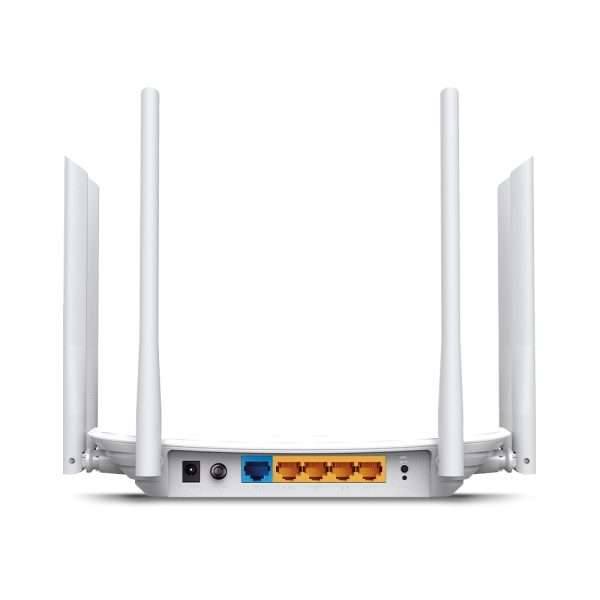
Ports, Aerials and the Extras in the Box: Port count matters more than most shoppers expect. Gigabit ethernet ports, detachable aerials, USB sharing and better cooling all push cost upward. Much the same logic applies across computer accessories, where build quality and component grade separate two products that photograph identically. The cheaper unit skips the parts nobody photographs.
Where 4G LTE Models Part Ways with Standard Home Units
Built-In Modems Change the Cost Structure: A 4G LTE router carries a cellular modem, SIM slot and its own aerial array, so it prices above a plain home unit of similar speed. Households without fibre lean on these models. Shared network bandwidth across a busy flat drops noticeably when the signal is weak, and that shapes which model suits.
Coverage Claims Deserve a Second Look: Advertised coverage figures assume open space, which no Nairobi flat or office ever offers. Real coverage sits well below the number printed on the carton. Concrete walls, metal shelving and neighbouring signals eat range fast. Higher-priced models add better aerials, mesh support and stronger network security controls. None of that reaches the cheapest shelf.
Reading a Spec Sheet before Reading the Price
Matching the Model to the Room: A small flat with four devices needs nothing like the hardware a twenty-seat office runs. Comparing processor, memory and supported client count explains router price in Kenya far better than sorting a product list from cheapest upward. The cheapest unit fails first under load, and replacing it inside a year costs more.
Buying the Supporting Kit at the Same Time: A capable router still needs decent cabling, a surge-protected socket and sometimes a small switch. Sourcing those computer accessories alongside the router avoids the slow, expensive drip of replacing weak links later. Grid instability across many estates makes that protection less optional than it sounds. Power cuts never warn the equipment first.
Points Worth Checking before Paying: Specification sheets hide the useful details near the bottom, well past the marketing headline. A quick pass over a handful of figures separates a fair buy from a regret, and it takes two minutes at most. The list below covers what matters when two models look similar on paper.
- Supported wireless standard, and whether the band split matches the number of devices in the house
- Ethernet port speed. Fast ethernet and gigabit are not the same thing
- Client capacity, which budget models quietly cap far lower than buyers assume
- Aerial type, fixed or detachable
- Firmware update history, since abandoned models turn into open doors
- Warranty terms and whether service exists locally
A Network That Holds Steady Long after the Purchase
Spending a little more on the right specification usually costs less across three years than replacing a struggling unit twice. Work out how many devices connect, how much space needs covering and which connection type the building supports. Browse the full router range and matching accessories online, then order the model built for that load.
