Aerospace Fasteners for the USA, UK and Europe: Selection for Aircraft Assemblies
Vibration and repeated loading change how aircraft joints behave over time. Bolt choice, locking method, mating components, and the tightening procedure all shape the result, and precision-manufactured fasteners give engineers predictable clamp load across demanding operating conditions and long service intervals.
Aircraft joints live under constant movement. Engine mounts, airframe panels and actuator brackets all take cyclic loading every flight hour, and clamp load slowly shifts when the hardware was never matched to that duty. Aerospace fasteners suppliers serving the USA, UK and Europe provide fasteners for a range of aircraft assembly applications.
What Constant Movement Does to a Bolted Joint
- Cyclic Loading Changes Clamp Force over Time: Vibration works on a joint through small relative movements between mating faces, which lets preload drop away gradually.
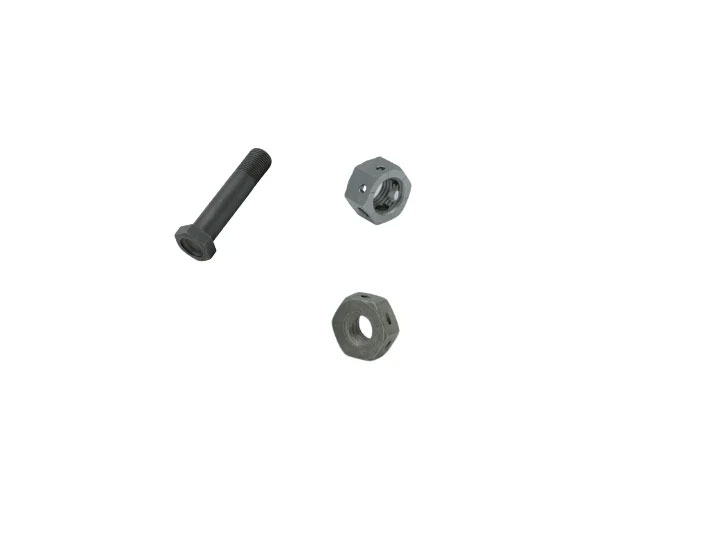
- Load Paths Decide Where Attention Goes: Not every joint sees the same duty. A bracket near an engine takes far more cyclic input than one in a quiet section of the fuselage. Machine bolts used in those higher-duty positions carry a defined shank and thread geometry, which helps engineers predict behaviour under repeated loading rather than guessing at it.
Choosing Hardware That Suits the Job
- Matching Bolt Type to Assembly Duty: Bolt selection starts with the load case, the joint stiffness and the space available for a head and tool. Engineers weigh tensile against shear duty first. Fatigue resistance then guides material and thread form, since rolled threads behave better than cut ones under cyclic stress. Precision machine bolts suit positions where clamp load has to stay predictable.
- Locking Arrangements Worth Specifying: Locking methods range from self-locking nuts and castellated nuts with split pins through to safety wire and thread-locking compounds. Each suits a different maintenance picture. Positions needing regular removal favour reusable locking features, so crews are not replacing hardware at every inspection. That decision belongs on the drawing.
Installation Decides Whether the Design Holds
- Tightening to a Specified Procedure: Correct preload comes from following the tightening specification, including sequence, torque value and any lubricant stated on the drawing. Shops running quality assurance checks on torque tools keep those readings honest across a shift. Skip the sequence on a multi-bolt flange and the clamp load ends up uneven, which shows up later rather than during the build.
- Points Worth Settling before Assembly Starts: Compatibility between mating parts matters as much as the bolt itself, and a short checklist keeps the detail straight at the bench. Most of what follows gets agreed at drawing stage, then checked once more before anything is torqued up.
- Match nut, washer and bolt grades so the joint behaves as designed.
- Check thread engagement length against the specification, not by eye.
- Dissimilar metals in contact need a suitable finish or separator.
- Calibrated torque tools. No exceptions on flight hardware.
- Record the batch and lot details during assembly, since overhaul teams need them later.
Joints Built to Stay Tight through Every Flight Hour
Precision-manufactured hardware gives engineers something predictable to design around, which is half the work done on any high-vibration assembly. The rest comes down to specifying the locking method and the tightening procedure properly, then holding to both on the shop floor. Share your drawings, grades, and quantities to discuss supply for your next aircraft build.
