Category: Home

Big temple for the home

The Real Reason Big Marble Temples Are Becoming the First Choice in Modern Homes

For years, the home shrine sat quietly in a kitchen alcove or on a narrow shelf, treated almost as an afterthought. Yet daily worship asks for more than a borrowed nook. Many families now sense that their devotional space no longer matches the care they bring to it each morning.

The Quiet Rise Of The Dedicated Home Temple

A Space That Earns Its Own Room: A big temple for the home gives daily prayer a setting of real weight and quiet presence. A larger marble structure carries more carved detail and supports a fuller arrangement of idols and lamps, so the household gains a dedicated place that feels settled and genuinely worthy of regular worship at the heart of the home.

Devotion Given A Permanent Address: A Hindu temple for the home brings ritual and tradition into one fixed point that the family gathers around. The form borrows from temple architecture, often with a carved canopy and a raised platform that frame the deity with proper respect, so worship at home carries some of the order felt within a place of pilgrimage.

Marble And The Promise Of Permanence

Formed Under Pressure To Endure: Marble earns its lasting quality from the way it forms deep within the earth. As a metamorphic stone, white Vietnam marble begins as limestone and slowly recrystallises under heat and pressure, and the finished slab gains a dense, even body. That density is part of why fine temple carving stays crisp and holds its definition across decades of use.

Placed In Tune With The Home: The position of a home temple matters as much as its making. Traditional guidance from Vastu Shastra places the shrine in the north-east of the home, with the worshipper facing east or north during prayer. A dedicated marble temple makes this easier to honour, since its weight and footprint let it sit permanently in the correct orientation without being shifted.

When The Pooja Unit Becomes The Centrepiece

Built Into The Home From The Start: Premium homes now plan the temple into the layout rather than adding it later. Designers set a full marble pooja unit within a dedicated niche, add its lighting and match it to the surrounding flooring so it belongs to the architecture. A freestanding design often suits larger rooms, while a slimmer wall-set temple serves homes where space stays limited.

  • A dedicated niche sized to hold the temple and its daily essentials.
  • Concealed lighting that lifts the white marble and softens its carved detail.
  • A raised plinth that sets the shrine apart from the rest of the room.
  • Discreet storage below for lamps and ritual items kept out of sight.
  • Stone finishes chosen to suit the wider material palette of the home.

The Cost Of Settling Too Soon: A marble temple is chosen once and lived with for decades, so a rushed decision surfaces later. People who work closely with these projects often see families who settled for a cheap, lower-grade piece return within a few years to replace it. Weaker stone can dull or yellow, and the room gets finished before the temple is planned.

A Sacred Space Worth Passing On

A dedicated marble temple gives daily worship the permanence and dignity it has long deserved in the home. Every year spent making do with a borrowed shelf is a year that sacred space waits to be honoured in full. Speak with a specialist mandir designer today to begin shaping a temple your family will keep for generations.

Interior design Udupi

Why Turnkey Interior Design Appeals to People Who Care About the Details

Detail-minded homeowners gain tighter coordination, fewer compromises, and a finished space that matches the original vision without managing many separate trades.

A beautiful design on paper means little if the finished room falls short of it. Many homeowners discover this only after work begins, when the joinery sits slightly wrong, the lighting feels colder than promised, and small details quietly drift. The problem is rarely the idea. It is the gap between deciding and building, where your vision sits exposed.

Where Good Ideas Quietly Lose Their Shape

From Concept to Built Reality: A design concept only becomes valuable once someone builds it exactly as drawn. This is where dependable interior design Udupi services earn their place, because the same studio that shapes the idea also stands behind the execution. Nothing passes through three different hands and arrives diluted. The vision stays intact from first sketch to final coat.

Detail That Survives the Build: Execution is where ambitious interiors usually win or lose. Thoughtful interior design Mangalore work treats every finish, joint, and fitting as part of one continuous decision rather than a series of disconnected tasks. A skirting line meets a tile cleanly. A switch sits where the hand expects it. These quiet alignments are what detail-led clients actually notice.

The Hidden Cost of Splitting the Work

Decisions That Depend on Each Other: Carpentry, lighting, finishes, plumbing, and styling are never truly separate choices. Strong space planning sets the order in which they must happen, because a wardrobe depth changes a walkway, and a pipe run dictates where a vanity can sit. When one trade moves without telling the next, small clashes appear. Coordination keeps these decisions talking to each other.

What Goes Wrong When Nobody Owns It: A room falls apart when no single team owns the result. In day-to-day practice, designers often meet homeowners who approved a lovely concept, then watched separate contractors read it three different ways. Tiles arrive before the layout is fixed. Wiring lands in the wrong wall. Each gap becomes a cost, and delay only makes it harder to undo.

What Coordination Actually Buys You: Coordination is the practical advantage that detail-focused clients feel most. When carpentry, electrical, painting, and styling answer to one schedule, the small frustrations of a split project simply stop appearing. There is no waiting for one trade to finish before another can be booked. Coordinated delivery tends to pay back in a handful of concrete ways:

  • A single timeline stops one trade from blocking the next.
  • Finishes get ordered together, so colours and textures genuinely match across the room.
  • Site problems are solved on site, not buried in long email chains between contractors.
  • One point of accountability means far fewer fingers pointing in different directions.
  • Budgets stay visible from the start.

The Quiet Power of One Accountable Team

Fewer Handoffs, Less Lost in Translation: Turnkey delivery reduces friction by removing the handoffs where intent usually leaks away. A studio that planned how natural light would wash a wall is the same one fitting the blinds, choosing the paint sheen, and placing the fixtures that respond to it. Nothing gets reinterpreted by a stranger. The original feeling of the room is carried straight through.

When the Full-Service Route Pays Back: A full-service approach becomes worth it once a project crosses several trades and a fixed deadline. Hiring a designer and contractors separately can suit very small, single-room jobs, where coordination is light and risk is low. For a whole home or office, that split tends to multiply meetings, delays, and blame. One accountable team often costs less stress overall.

A Space That Lands Exactly as Promised

Detail is protected when one team handles the whole project from drawing to handover, so the room you pictured is the room you receive. Every week a build stays split across uncoordinated hands is another chance for the vision to slip. Map the work before committing to it, and book a planning consultation to begin.

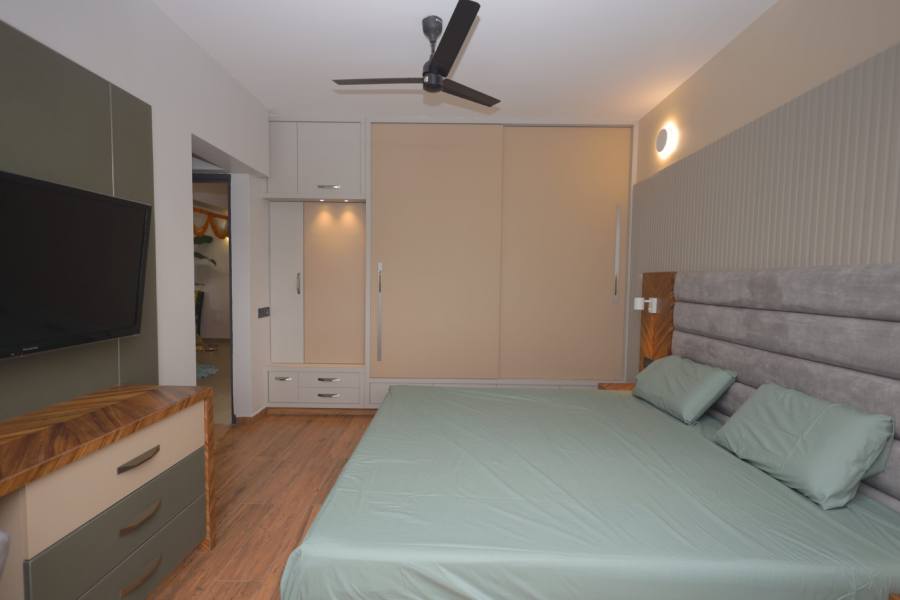
Featured Image Source: https://yutoridesigns.in/wp-content/uploads/2025/07/kadri_guestroom-scaled.jpg

How Can You Tell if a Bathroom Installer's Reputation Is Genuine?

How Can You Tell if a Bathroom Installer’s Reputation Is Genuine?

Fake reviews. Doctored photos. Made-up testimonials. The bathroom renovation industry is flooded with contractors who manipulate their reputation to win your business.

Finding a bathroom installer with a good reputation feels like searching for a needle in a haystack. Everyone claims to be the best. Everyone has five-star reviews. Everyone promises perfect results.

But your gut tells you something’s off. Maybe their portfolio photos look too polished. Perhaps their reviews sound suspiciously similar. Or their prices seem too good to be true.

Trust that instinct. Your bathroom renovation could become a disaster if you hire based on fake reputation signals.

Here’s how to separate genuine reputations from carefully crafted illusions.

Check Review Patterns, Not Just Star Ratings

Most homeowners glance at overall ratings and call it research. That’s exactly what dishonest contractors count on.

Fake reviews follow predictable patterns. They cluster around specific dates. They use similar language. They focus on vague positives like “great work” or “highly recommend” without specific details.

Real reviews tell stories. They mention specific challenges the contractor overcame. They describe communication styles. They often include minor complaints alongside praise.

Look for reviews that span several months or years. Genuine businesses build reputation slowly over time. A contractor with 50 five-star reviews posted in the last three months should raise red flags.

Pay attention to reviewer profiles too. Fake accounts often have generic names, no profile photos, and review history limited to bathroom contractors. Real customers have varied review histories across different businesses.

Ask for Local References You Can Contact

Any contractor can cherry-pick their best projects for their website. Asking for recent local references separates professionals from pretenders.

A bathroom installer with a good reputation will gladly provide contact information for recent customers. They might even offer to arrange property visits so you can see completed work firsthand.

Dishonest contractors make excuses. They claim privacy concerns prevent sharing contact details. They offer only written testimonials. They promise to provide references “later” but never follow through.

When you contact references, ask specific questions:

Did the project finish on time? How did they handle unexpected problems? Would you hire them again for another bathroom? Did the final cost match the original estimate?

References who provide detailed answers about both positives and challenges are sharing honest experiences. Responses that sound like rehearsed sales pitches might indicate coached testimonials.

Verify Their Business Registration and Insurance

Legitimate bathroom contractors operate legal businesses with proper registrations and insurance coverage. Fly-by-night operators often skip these requirements to cut costs.

Check your state’s business registration database. Verify the contractor’s license status with local licensing boards. Confirm their insurance coverage by requesting certificates directly from their insurance provider.

Perhaps this seems like overkill, but these simple checks expose contractors who inflate their reputation without backing it up with legitimate business practices.

Some states maintain databases of contractor complaints and disciplinary actions. Search these databases using the contractor’s name and license number. Multiple complaints about incomplete work or poor quality suggest reputation problems that positive reviews might be hiding.

Examine Their Portfolio for Consistency

Professional contractors build portfolios that showcase their range and quality over time. Fake portfolios often contain stolen images or inconsistent work quality.

Look for consistency in photography style and project dates. Real contractors typically use similar photography approaches across their projects. Stolen portfolio images often have different lighting, angles, or photo quality that creates a patchwork appearance.

Check if portfolio projects match their claimed service area. A contractor claiming local expertise while showing projects hundreds of miles away might be padding their portfolio with work they didn’t complete.

Some contractors use stock photos or images from other businesses. Reverse image searches can reveal whether their portfolio photos appear on other websites or stock photo services.

Test Their Knowledge During Initial Conversations

Reputation fraud is easier to maintain online than during face-to-face conversations. Initial meetings reveal whether contractors possess the expertise their reputation suggests.

Ask technical questions about waterproofing, ventilation, or local building codes. Genuine professionals provide confident, detailed answers. Contractors with fake reputations often deflect technical questions or provide vague responses.

Listen for specific brand names and product recommendations. Experienced bathroom installers know which products work best in your local climate and water conditions. Contractors who speak in generalities might lack the hands-on experience their reputation claims.

Pay attention to how they handle your project’s unique challenges. Real professionals identify potential problems and suggest solutions during initial site visits. Contractors focused only on selling their services might miss important technical considerations.

Look for Long-Term Business Presence

Businesses with genuine reputations establish roots in their communities. They maintain consistent contact information, build relationships with local suppliers, and develop repeat customer bases.

Check how long their business has operated at the same address. Frequent moves or recent business formations don’t automatically indicate problems, but they warrant additional scrutiny when combined with other reputation red flags.

Look for evidence of community involvement. Many reputable contractors sponsor local sports teams, participate in trade association events, or contribute to community projects. These connections create accountability that fly-by-night operators avoid.

Verify their supplier relationships by contacting local building supply stores. Established contractors often have trade accounts and known relationships with suppliers. Store managers can sometimes provide insights about contractor payment histories and professionalism.

Trust Your Instincts About Communication

How contractors communicate often reveals more about their character than their marketing materials suggest.

Professional contractors return calls promptly, provide clear written estimates, and maintain regular project updates. Their communication style remains consistent whether they’re trying to win your business or handling project complications.

Pay attention to how they discuss other contractors or past clients. Professionals avoid speaking negatively about competitors or sharing inappropriate details about previous projects.

Notice whether they listen to your concerns or focus only on selling their services. A bathroom installer with a good reputation understands that successful projects require understanding customer needs, not just showcasing their skills.

Your bathroom renovation represents a major investment in your home and daily comfort. The contractor you choose determines whether that investment enhances your property or becomes a source of ongoing problems.

Genuine reputations take years to build but only minutes to verify. The time you spend researching contractors prevents the months of headaches that come from hiring based on false reputation signals.

Don’t let polished websites and glowing reviews fool you into making expensive mistakes. Your home deserves better than contractors who rely on reputation manipulation instead of quality work.

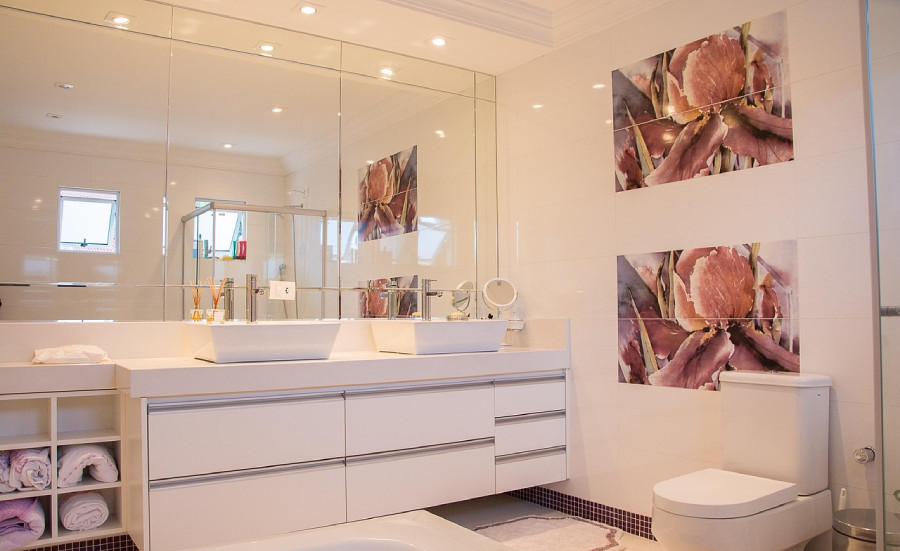
Featured Image Source: https://pixabay.com/photos/bathroom-home-mirror-1622403

Why More Students Are Opting for Apartments in College Station

Why More Students Are Opting for Apartments in College Station

The shift is clear: more Texas A&M students now choose off-campus apartments over dorms. This trend continues to grow each year, with thousands of Aggies making the move to apartment living. But what drives this massive migration away from traditional campus housing?

Freedom from Restrictive Dorm Rules

Dorm life comes with limitations many students find stifling:

  • Strict quiet hours enforced by RAs
  • Limited overnight guest policies
  • Shared bathrooms with entire floors
  • Mandatory meal plans regardless of eating habits
  • Room checks and inspections

Apartments in College Station offer freedom from these constraints. Want to cook at midnight? Need to host study groups until 2 AM? Prefer to decorate your walls without approval? Off-campus living eliminates these restrictions.

How much does constant supervision affect your ability to grow as an independent adult? Many students find the transition to self-management crucial for personal development.

Financial Advantages Hidden in Plain Sight

While dorm costs might seem comparable to apartments at first glance, the financial reality often favors off-campus living:

  • Dorms require expensive meal plans ($2,500+ per semester)
  • Most apartments have 12-month leases vs. 9-month dorm contracts
  • Cooking at home saves thousands compared to campus dining
  • Roommate options in 2-4 bedroom units drastically cut costs
  • Summer sublease options help offset annual costs

A typical 4-bedroom apartment with roommates costs $500-700 per person monthly. Compare this to dorms at $750-950 monthly plus required meal plans. The savings add up quickly.

Space That Supports Academic Success

Dorm rooms average 180-240 square feet shared between two students. Apartments offer:

  • Private bedrooms (often 120+ square feet per person)
  • Dedicated study spaces away from sleeping areas
  • Living rooms for group projects
  • Kitchens for meal preparation
  • Multiple bathrooms in larger units

This space separation proves critical during exam periods. Can you really study effectively with a roommate sleeping five feet away? Many students find their grades improve after moving to apartments with dedicated study spaces.

Real World Skill Building

Apartment living develops crucial life skills:

  • Budget management with monthly bills
  • Cooking and meal planning
  • Cleaning and home maintenance
  • Conflict resolution with roommates
  • Time management without structured dorm schedules

These skills transfer directly to post-graduation life. Employers value graduates who can manage independent living successfully.

Many students report that apartment living helped them develop adulting skills their dorm-dwelling peers lack. The learning curve might feel steep at first, but mastering these skills pays dividends long after graduation.

The Privacy Factor

Dorm life means constant social interaction:

  • Roommates always present in shared spaces
  • Communal bathrooms with limited privacy
  • Study lounges filled with other students
  • Dining halls packed during meal times
  • Thin walls between neighboring rooms

Apartments provide psychological space many students crave:

  • Private bedrooms with doors that close
  • Personal bathrooms in many floor plans
  • Quiet spaces for decompression
  • Control over social interactions

This privacy becomes increasingly valuable as students advance through college and coursework intensifies. The ability to choose when to socialize rather than having it forced upon you marks a significant quality of life improvement.

Better Sleep, Better Performance

Sleep quality directly impacts academic performance. Apartment living offers sleep advantages:

  • Control over bedroom temperature
  • No disruptions from dorm fire alarms
  • Less noise from hallway traffic
  • No roommate waking you with different schedules
  • Better mattresses than standard dorm beds

Many students report sleeping 1-2 hours more per night after moving to apartments. Over a semester, this equals 100+ additional hours of rest – directly impacting grades and health.

Year-Round Housing Security

Dorms close during breaks, creating housing gaps:

  • Winter break (3-4 weeks)
  • Spring break (1 week)
  • Summer break (3 months)

Students must vacate dorms during these periods, creating stress for:

  • International students unable to return home
  • Students with jobs in College Station
  • Those taking summer courses

Apartments provide year-round housing security with no forced moves between semesters. This stability allows for local employment, summer courses, and peace of mind.

Enhanced Social Opportunities

Contrary to popular belief, apartments often create stronger social bonds:

  • Neighbor relationships built on choice rather than assignment
  • Common areas for entertaining friends
  • No restrictions on gathering sizes
  • Ability to host study groups or social events
  • Community amenities designed for interaction

Many apartment complexes organize resident events, pool parties, and networking opportunities specifically designed for students. These create organic social connections beyond the artificial environment of dorms.

The Technology Advantage

Modern apartments offer tech features dorms can’t match:

  • Reliable high-speed internet without campus network restrictions
  • Smart home features in newer properties
  • Better cell service coverage
  • Multiple outlets and charging stations
  • Space for gaming setups or home offices

These tech advantages become crucial for online courses, video interviews, and staying connected with family. The limitations of dorm internet and technology infrastructure frustrate many tech-savvy students.

Rental History Establishment

Living in an apartment builds valuable rental history:

  • Establishes credit through regular rent payments
  • Provides landlord references for future housing
  • Demonstrates financial responsibility to future property managers
  • Builds understanding of lease terms and tenant rights

This history proves valuable after graduation when seeking housing in competitive markets. Students with established rental records gain advantages over those moving directly from dorms or family homes.

Finding Your Perfect Match

The apartment search process intimidates many students. Questions emerge:

  • Which neighborhoods offer the best value?
  • How do you identify reputable management companies?
  • What hidden fees should you watch for?
  • Which amenities actually matter for student life?
  • How do you avoid the “student ghetto” trap?

These valid concerns stop many students from making the move off-campus. The complexity seems overwhelming without guidance.

Free apartment locator services specialize in matching students with properties that fit their specific needs and budgets. These experts know which properties have the best management, which offer actual value, and which hidden gems might not appear in basic internet searches.

The trend toward apartment living continues growing for good reasons. Students gain independence, financial advantages, and quality of life improvements that support academic success. With the right guidance, finding the perfect apartment becomes the first step toward creating your ideal college experience at Texas A&M.

Featured Image Source: https://www.pexels.com/photo/woman-sitting-on-the-floor-while-using-her-laptop-4050294

Understanding Garage Door Safety Features: A Guide for Plano Homeowners

Understanding Garage Door Safety Features: A Guide for Plano Homeowners

Most Plano homeowners use their garage doors multiple times daily without giving safety a second thought. This massive moving wall—often weighing over 200 pounds—operates inches away from family members, pets, and valuable vehicles. What many don’t realize is that without proper safety features and maintenance, a garage door can become one of the most dangerous mechanisms in a home.

Collin Overhead Door specialists have responded to countless emergency calls from distressed homeowners facing dangerous garage door malfunctions that could have been prevented. From springs suddenly snapping with deadly force to doors crushing valuable items—or worse, causing injury to loved ones—the consequences of overlooking garage door safety can be devastating both emotionally and financially.

The Hidden Dangers Behind Every Garage Door

The Consumer Product Safety Commission reports that over 30,000 injuries occur annually from garage door accidents, with children being particularly vulnerable. These aren’t just minor scrapes—they include:

  • Severe crushing injuries requiring hospitalization
  • Finger and hand amputations from pinch points
  • Head trauma from falling doors
  • Lacerations from broken springs under tension

In Plano’s growing neighborhoods, where many homes have original builder-grade garage doors, the risk multiplies as these units age beyond their safety prime. Without modern safety features, these older systems operate like ticking time bombs in family homes.

Essential Safety Features Every Plano Homeowner Should Have

Auto-Reverse Mechanisms

Perhaps the most critical safety component, the auto-reverse mechanism uses two separate systems to prevent crushing accidents:

  • Contact Reversal: When the door encounters an object while closing, it should immediately reverse direction. This feature prevents crushing injuries and damage to vehicles or items left in the door’s path.
  • Photo Eye Sensors: These small devices project an invisible beam across the door opening, approximately six inches from the floor. When something breaks this beam—whether a child, pet, or object—the door automatically reverses before contact occurs.

What happens without proper auto-reverse protection? A malfunctioning system won’t detect obstacles, potentially allowing a 200+ pound door to continue closing with crushing force. For a young child or pet caught underneath, this can mean catastrophic injury or worse within seconds—before anyone can react.

Manual Release System

During power outages—which Plano experiences during severe storms—this mechanism allows homeowners to disconnect the door from the opener and operate it manually.

The consequences of not knowing how to use this feature during an emergency can be severe: families trapped inside during fire evacuations or unable to access life-saving medication stored in vehicles. Every second counts during emergencies, making this simple feature potentially life-saving.

Rolling Code Technology

Modern garage door openers use rolling code technology that changes the access code each time the remote is used, preventing code theft by would-be intruders.

Older fixed-code systems remain dangerously vulnerable to “code grabbing” devices that criminals use to capture and replicate opener signals—effectively giving them a permanent key to your home through what many security experts call “the most overlooked entry point” in residential security.

Door Edge Sensors

These sensors detect objects along the entire edge of the door rather than just the area covered by photo eyes.

Without edge sensing, items positioned outside the photo eye beam but still in the door’s path remain vulnerable to crushing damage. This blind spot has led to countless damaged bicycles, tools, and other valuable items.

Automatic Deadbolts and Locks

These systems provide additional security by automatically engaging mechanical locks when the door is fully closed.

In neighborhoods experiencing property crime, this added layer can mean the difference between security and becoming another burglary statistic. Plano’s property crime rates have prompted many homeowners to seek these advanced security measures.

Warning Signs Your Garage Door Safety Features Are Failing

Safety systems don’t typically fail dramatically all at once—they show warning signs that too many homeowners ignore until it’s too late:

  • Door reverses inconsistently or doesn’t reverse at all when testing with objects
  • Photo eyes showing damaged wiring or misalignment (often indicated by blinking lights)
  • Unusual sounds during operation, particularly grinding or scraping
  • Door beginning to close but then reversing without obvious obstruction
  • Remote controls working inconsistently or requiring multiple attempts

Each of these seemingly minor issues signals potentially dangerous malfunctions in critical safety systems. The homeowner who thinks, “I’ll get to that next month” is gambling with safety every time the door operates.

Testing Safety Features: The 2-Minute Check Every Plano Homeowner Should Perform Monthly

Testing Auto-Reverse Contact Features:

  1. Place a 2×4 wooden board flat on the ground where the door would close
  2. Press the door close button
  3. When the door contacts the board, it should immediately reverse direction

If the door fails to reverse, it requires immediate professional attention—continued operation puts family members and pets at serious risk.

Testing Photo Eye Sensors:

  1. Locate the small photo eyes on each side of the garage door opening
  2. Ensure both sensors have steady indicator lights (usually green)
  3. While the door is closing, wave a broomstick or similar object through the sensor beam
  4. The door should immediately reverse direction when the beam is broken

Failed sensor tests indicate a dangerous vulnerability that leaves family members exposed to crushing injuries.

Upgrading Older Systems: When Safety Features Can’t Be Added

Many Plano homes built in the early 2000s or earlier have garage door systems that can’t accommodate modern safety features. In these cases, continuing to use outdated equipment exposes families to unnecessary risks that no responsible homeowner would knowingly accept.

The costs of upgrading to modern safety systems pale in comparison to the potential consequences of accidents:

  • Average emergency room visit for crushing injuries: $5,000-$15,000
  • Typical home insurance deductible: $1,000-$2,500
  • Value of damaged vehicles: $5,000-$50,000+
  • Cost of modern safety-equipped opener system: $300-$600

Beyond these direct costs lies something no price can be assigned to: the peace of mind from knowing family members are protected from preventable accidents.

Maintenance: Keeping Safety Features Working When You Need Them Most

Even the most advanced safety features require regular maintenance to function reliably:

  • Photo eyes need cleaning monthly (dust and spider webs are common culprits in failures)
  • Contact reversal systems should be tested every 30 days
  • Springs, cables, and rollers require professional inspection annually
  • Remote batteries need replacement before complete failure
  • Weather seal integrity affects door balance and safety performance

Each of these simple maintenance steps takes just minutes but can prevent life-altering accidents. Yet studies show fewer than 30% of homeowners perform even basic safety checks on their garage door systems.

Smart Technology: The Next Generation of Garage Safety

For tech-savvy Plano homeowners, smart garage systems now offer enhanced safety through:

  • Smartphone alerts when doors operate unexpectedly
  • Automatic closing after specified time periods (preventing accidental overnight openings)
  • Integration with home security systems
  • Operation logs showing usage patterns
  • Maintenance reminders based on usage cycles

These features add another protective layer, particularly for families with teenagers who might otherwise leave doors open or homes with elderly members who benefit from simplified operation.

The Bottom Line: What’s at Stake for Plano Homeowners

While discussing springs, sensors, and reversal mechanisms might seem technical, what’s really at stake is family safety. The garage door is the largest moving object in any home, operating multiple times daily near loved ones. Its safety systems are the only barrier between normal daily life and potentially catastrophic accidents.

Responsible homeownership means addressing potential dangers before they cause harm. For Plano residents, where family safety consistently ranks as a top priority in community surveys, ensuring garage door safety isn’t just about mechanical maintenance—it’s about protecting what matters most.

Taking simple steps today to verify, maintain, or upgrade garage door safety features provides protection that works silently in the background, allowing families to go about daily life with confidence that their home’s largest moving component won’t become its greatest danger.

Featured Image Source: https://www.pexels.com/photo/exterior-of-houses-7028105

Top Kitchen Design Trends: Integrating Stylish Hardware and Efficient Appliances

Top Kitchen Design Trends: Integrating Stylish Hardware and Efficient Appliances

The kitchen is often referred to as the heart of the home, and what is designed for the kitchen certainly affects the entire home’s functionality and aesthetics. Therefore, keeping abreast of modern Northern Ontario kitchen and bath design trends will mean that your space is not only beautiful but also efficient and comfortable. One emerging focus is the integration of stylish hardware and efficient appliances that would result in a functional yet aesthetically pleasing space.

Modern Trends for the Kitchen

Indeed, open-plan kitchens are still at the top of the design world because they offer clean lines, minimalist looks, and multifunctional layouts that create space and usability. In Northern Ontario kitchen and bath design, deep blues and vibrant greens as a bold choice for cabinets have also started to pop up against neutral countertops and backsplashes.

In addition, lighting design is in the forefront, including statement fixtures that match cabinets and hardware. All these trends stress the cohesiveness of style and functionality, thus requiring the right selection of elements that work well together within the whole design.

Sleek Hardware Options

The right Northern Ontario large appliances and hardware can totally change the look of your kitchen. Finishes trending- matte black, brushed gold, polished nickel add an elegance and sophistication touch. Often shaped in minimalist handle shapes with concealed hardware, these give a sleek contemporary look.

For those who want classic style, classic hardware designs with modern finishes are well-balanced between tradition and innovation. Soft-close hinges and drawer systems are practical upgrades that work with functionality and a stylish look.

Efficient Appliances for Modern Kitchens

No modern kitchen is ever complete without efficient appliances to make daily tasks easy and highly functional. Fast-growing priorities for homeowners include saving energy through the design of Northern Ontario large appliances to minimize power usage and reduce the environmental impacts.

This has been made possible by smart technology which has revolutionized this field as customers can now manage appliances from a distance and make use of them with great efficiency.

Today’s people have a goal built into modern kitchens having today’s appliances which include convection ovens and large sized refrigerators designed to blend into the kitchen’s design while having compact design appliances to fit tighter kitchens which don’t lose out on functional capabilities.

If a seamless look is desired, then all the hardware for the appliances must match to each other. Creating a strong visual impact is possible with the use of similar finishes for all elements of design which will be either polished brass or soft-finish. For instance, using the same clean hardware that is used in the appliances helps draw attention to the lines of the design.

Consider pairing bold cabinet colors with more understated hardware to keep the balance, or statement hardware to add personality to neutral-toned kitchens. Harmony is one way to get a cohesive and inviting space.

Conclusion

In the 21st century, people don’t only look at kitchen remodel ideas according to the way they would match with the interior of their homes, but they also consider kitchen efficiency. Add some stylish hardware and smart technological devices that shift their design to a whole new level. Whether you want to perform a complete room renovation or simply update the look, the design suggestions given here will certainly help you transform your kitchen. Check out these experts’ ideas about how to redesign your kitchen in accordance with your interests.

Featured Image Source: https://images.pexels.com/photos/14495889/pexels-photo-14495889.jpeg?auto=compress&cs=tinysrgb&w=600

Tips for Buying Home Hardware: Gardening and Camping Equipment

Tips for Buying Home Hardware: Gardening and Camping Equipment

Whether it be camping in a serene place far from your home or gardening in your backyard, spending time outdoors can be exactly what you need when you take some time off from the daily hustle of your life. It is the perfect thing to help you take a break from all the chaos. So, if you are considering purchasing Northern Ontario camping equipment or gardening tools, here are some tips that can help you.

Tips for Getting the Right Camping Gear

Consider Your Budget and Camping Location

Ensure that you know everything about your camping locations to find the best tools for your camping venture. Different locations require varying camping tools for the best experience. Not all camping equipment is functional in every environment. So consider how much you wish to spend on your Northern Ontario camping equipment.

What Should You Look For?

  • Tents and shelters: Tents are available in various sizes and styles, from spacious family shelters to lightweight backpacking tents. You can also look for tarps and canopies to add protection from weather elements.
  • Camping essentials: Flashlights, camp chairs, portable stoves and cooking gear, lanterns, water jugs, and food storage are all essentials for a well-equipped campsite.
  • Sleeping gear: Sleeping bags, air mattresses, sleeping pads, etc., are Allahabad designed to keep you warm and comfortable. You may also look for blankets, pillows, and hammocks for a better night’s sleep.
  • For safety and navigation: Do not forget first aid kits, GPS devices, compasses, and multi-tools to make sure that you are prepared for any situation. Fire-starting kits, insect repellents, and bear safety products will also help you stay safe during your camping trip.

Tips for Buying Garden Centre Tools

The right garden tools will make the work shorter for all your projects. Gardening is a great way to get creative and boost your home’s curb appeal. There is a wide range of garden tools that fall into various categories. A combination of specialised and general-purpose tools can help you be well-equipped. Here are some important garden tools to consider buying from a reliable Northern Ontario garden centre.

  • Spades and shovels: The primary function of shovels and spades is moving material and scooping. Some shovels feature flat-top edges, allowing for added foot pressure. They are ideal for cutting edges, digging, and other delta work. You can get round-mouth shovels, drain spades, square-point shovels, and square-edge spades.
  • Trowels and transplanters: These are hand tools with narrow blades that are suitable for digging or moving small amounts of soil. You can look for traditional trowels, transplanting trowels, seedling transplanters, etc., at the best Northern Ontario garden centre.
  • Weeding tools: Hand-held and long-handled weeding tools come with a variety of features that can help in weeding out the garden, thus removing weeds in gardens and lawns. You can look for standard garden hose, warrens or Dutch hoes, and dandelion weeders.

In Conclusion

Whether you are looking for tools for gardening or cooking, make sure you buy the right tools from reliable suppliers who can offer premium quality products at reasonable prices. The above guidelines will help you get your hands on the best products out there.

Featured Image Source: https://images.pexels.com/photos/1301856/pexels-photo-1301856.jpeg?auto=compress&cs=tinysrgb&w=600

Navigating the Market: Tips for Selecting Quality Log Homes

Navigating the Market: Tips for Selecting Quality Log Homes

Choosing a log home can be a fun but sometimes very tedious experience, owing to the many available options. Looking to upgrade, or you wish to build your first log cabin worth remembering: What should one ask oneself when searching for a sturdy log home? Here are a few of them.

Look at Various Log Home Styles

There are several styles of log homes in New Brunswick, and each type has its distinct features and advantages. Get to know different styles, such as the traditional log cabin, log house, and some that are log and other materials. Knowing your preferences will help narrow your search and find a home that suits your aesthetic and functional needs.

Evaluate the Quality of Logs

The quality of logs used in construction is critical in ascertaining a home’s stability and lifespan. One can look for homes that have been built using high-grade woods such as cedar or pine which have been well-seasoned. Just like everyone else could expect all logs to be totally without any knots, splits or insect-damaged areas. If possible, inspect the logs personally or request information on their source and treatment processes.

Inspect the Followed Construction Practices

To a certain extent, the construction of log homes in Nova Scotia is one of their most important features. Methods such as saddle-notch or dovetail corners are both pleasing to look at and have exceptional sturdy construction. On the other hand, contemporary procedures may possess superior resources like improved sealing and insulation materials to improve the house’s energy requirements. See that the contractor follows normal and reputable practices and probably knows how the practices are carried out.

Assess Energy Efficiency

Energy efficiency is a significant aspect that brings savings and comfort to the owner in the long run. Insulation and energy-efficient doors and windows would further enhance the prospects of energy-efficient log homes. Some construction companies provide energy audits or ratings on their homes that would help you understand the proportionality of the utility costs relative to the cost of the building.

Also, the structure’s orientation concerning the sun is of great importance; for example, if the structure is strategically located to harness sunlight for heating and cooling, that would reduce the excessive need for many utilities.

Ask for Any Maintenance

The log homes are always expected to repaint or redo the process every once in a while. Again, what is the care and maintenance of the home and its features, such as the stain, sealers, or pest control, would be the appropriate questions to ask prior to determining what dwelling to go to.

For those who don’t intend to spend a lot of time and effort to save their log homes, there are some designs that employ low-maintenance bulk treatments to serve for a longer longevity of the logs. Lots of time and money later on in the future could be saved with the knowledge of such things right from the beginning.

Go to Finished Homes

If you can, go and see finished log homes, so that you can appreciate the timber space and the quality of construction. With this type of learning, you will helpfully comprehend how the house operates under normal circumstances. Note down the specifics of the shape, the arrangement and the mood. This is also a perfect chance to inquire from the homeowners about their challenges and the things they have or had to go through.

Conclusion

Picking a log cabin for yourself is after all quite a costly decision, but it would be after all worth the effort to make some preliminary studies about the same. Sticking to these guidelines, you will be able to go through the market more easily and locate a log home that is suitable for your expectations and available lifestyle. Allow yourself to enjoy the adventure and before you know it, you will be buying your dream timber home!

Featured Image Source: https://easyupstructures.com/websites/easyupstructures.com/ecommerce/products/115/images/main/Parker.jpg

The Ultimate Guide to Mixing and Matching Furniture Styles in Your Home

The Ultimate Guide to Mixing and Matching Furniture Styles in Your Home

When decorating your home, mixing and matching furniture styles can be incredibly exciting. This approach allows you to craft a dynamic and personalized space that truly reflects your unique taste. While combining different styles might seem daunting at first, it offers a chance to create a visually interesting and cohesive environment. The key is to start with a clear vision and gradually incorporate various elements, blending styles in a way that feels authentic and harmonious to you. This guide will walk you through the essentials of mixing and matching furniture styles, offering tips and tricks to help you achieve a cohesive and stylish look in your home.

Understanding Furniture Styles

Before diving into the art of mixing and matching, it’s essential to understand the different furniture styles available. Here’s a brief overview of some popular styles:

  1. Modern: Characterized by clean lines, minimalism, and functional design. Modern furniture often features materials like metal, glass, and sleek woods.
  2. Traditional: Known for its classic designs, rich woods, and intricate details. Traditional furniture often includes ornate carvings and plush fabrics.
  3. Industrial: Inspired by warehouses and factories, this style uses raw materials like exposed brick, metal, and reclaimed wood. It’s known for its rugged, utilitarian feel.
  4. Scandinavian: Emphasizes simplicity, functionality, and natural elements. Scandinavian furniture often includes light woods, neutral colors, and minimalist designs.
  5. Bohemian (Boho): Features eclectic, colorful, and relaxed designs. Boho furniture incorporates a mix of patterns, textures, and global influences.
  6. Mid-Century Modern: A throwback to the 1950s and 60s, this style includes clean lines, tapered legs, and a mix of organic and geometric shapes.
  7. Farmhouse: Focuses on rustic charm with distressed woods, cozy textiles, and a welcoming, homey feel.

Tips for Mixing and Matching Furniture Styles

  1. Find a Common Thread

To create a cohesive look, identify a common element that ties your furniture pieces together. This could be a color scheme, a material, or a specific design feature. For example, if you’re combining modern and industrial styles, you might use metal as a unifying element. A modern sofa with clean lines can be complemented by industrial-style metal side tables, creating a balanced contrast.

  1. Use Color to Your Advantage

Color is a powerful tool in furniture design. When mixing styles, choose a color palette that harmonizes with each other. Neutral tones like gray, beige, and white can serve as a backdrop, allowing different styles to stand out without clashing. You can also use accent colors to add pops of personality and tie disparate pieces together.

  1. Balance Proportions and Scale

Combining different styles can sometimes lead to an imbalance in proportions and scale. To prevent this, ensure that your furniture pieces are proportionate to each other and to the room’s size. For instance, pairing a large, ornate traditional armchair with a sleek, modern coffee table can work if the armchair is balanced with other elements in the room. Pay attention to the scale of each piece to create a harmonious look.

  1. Mix Textures and Materials

Mixing textures and materials can add depth and interest to your space. Combine different textures such as plush velvet with rustic wood, or smooth leather with rough metal. This not only enhances visual appeal but also adds a tactile element to your room. For example, a mid-century modern sofa with smooth lines can be beautifully contrasted with a bohemian woven rug.

  1. Create Focal Points

Establishing focal points in a room helps anchor different styles and creates a sense of harmony. A well-chosen focal point, such as a statement piece of art or a unique piece of furniture, can draw attention and set the tone for the rest of the room. Ensure that your focal point complements the various styles you’re mixing, acting as a bridge between different elements.

  1. Layer with Accessories

Accessories are an excellent way to tie different styles together and add personality to your space. Consider using throw pillows, rugs, and artwork to blend styles seamlessly. For example, a modern sofa can be softened with a boho-chic throw blanket and colorful cushions. Accessories can also help introduce new colors or patterns, creating a cohesive look.

  1. Pay Attention to Scale and Proportion

When combining different styles, ensure that the scale and proportion of your furniture pieces work well together. Avoid placing oversized pieces next to delicate ones, as this can create visual imbalance. Instead, strive for a mix of scales that complement each other. For example, a large, comfortable sectional can be balanced with smaller, more delicate accent chairs.

  1. Stay True to Your Personal Style

Ultimately, your home should reflect your personal taste and lifestyle. Don’t be afraid to experiment and trust your instincts. Mixing and matching furniture styles is about creating a space that feels right for you. If you love a particular piece of furniture, find a way to incorporate it into your design, even if it doesn’t fit neatly into a single style category.