Understanding Banaba Extract and Moringa Extract: Origins, Forms and Quality Checks
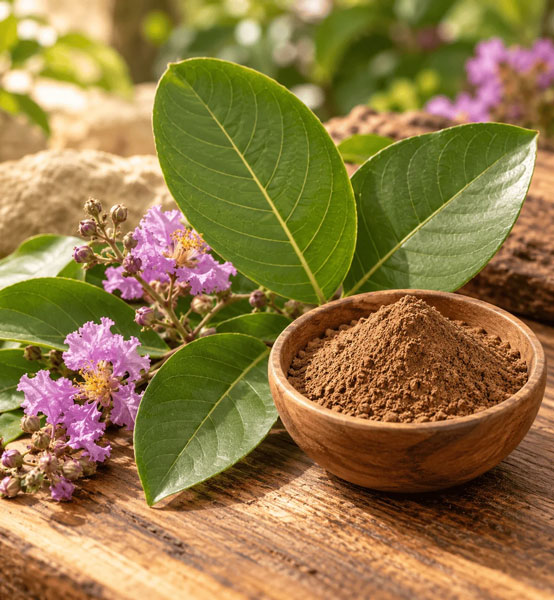
Two botanical names keep showing up on ingredient enquiry lists, and they rarely appear together by accident. Banaba extract comes from the leaves of Lagerstroemia speciosa, a tree often called the pride of India. Moringa extract starts with the leaves of the moringa tree, which many buyers already know from food and supplement shelves. Both start as leaves, yet they take very different paths before they reach your formulation bench.
So why compare them at all? Product developers often shortlist banaba extract and moringa extract for the same wellness ranges, and the buying decision can blur when two leaf-based ingredients look alike on paper. A clear picture of origin, form and testing helps you ask better questions before you place an order.
Where Banaba Extract Comes From
The banaba tree grows across tropical Asia, and its leaves are the part used for extraction. Traditional practice in parts of Asia has long used the leaves, often as a tea.
Here is why the plant part matters. Leaf age, harvest season and drying conditions can all shift the compound profile of the finished material. Two lots of banaba extract from different harvests may not behave the same way in your product, so batch documentation deserves a close look.
Moringa Origins and the Powder Versus Extract Question
Moringa oleifera is native to the foothills of the Himalayas and now grows widely across India and other warm regions. Its dried leaves are ground into a fine green powder that keeps most of the whole leaf intact.
An extract works differently. A solvent pulls selected compounds out of the leaf, and the spent plant material is left behind. That gives you a more concentrated ingredient, though perhaps not one that carries everything the whole leaf does.
Which one suits you?
- Powder fits products where whole leaf content and a natural green colour are wanted.
- An extract suits capsules or tablets where space is limited, and concentration matters more.
- A ratio, such as 10:1, tells you how much raw leaf went into each unit of finished extract.
ShriNanda Herbs currently lists moringa as a leaf powder in its conventional range, so check the catalogue against your specification before you build a formula around it.
Quality Checks for Banaba and Moringa Ingredients
A product name on a label tells you very little. The paperwork behind it tells you far more, and buyers who skip this step sometimes learn the hard way after a failed batch test.
Before you approve any supplier, ask for:
- A certificate of analysis for the exact batch you plan to buy
- Botanical identity confirmation, including the Latin name and plant part
- Results for moisture, heavy metals and microbial counts
- Any marker compound figures the supplier publishes, with the test method named.
How ShriNanda Herbs Approaches Leaf-Based Ingredients
ShriNanda Herbs manufactures herbal extracts and powders in Uttarakhand and runs an in-house testing facility for purity and potency checks. Its published credentials include AYUSH, FSSAI, GMP, HACCP, HALAL, STAR-K Kosher, ISO 9001:2015 and ISO 22000:2018.
Summing Up
Banaba extract appears in the company’s nutraceutical range, while moringa sits among its conventional powders. If your project calls for either one, ask the team for current specifications and batch documents before you commit.
Planning a new formulation with leaf-based botanicals? Contact ShriNanda Herbs to discuss your requirements.
