High-Visibility Security Needs Can Be Difficult to Balance, but Security Guard Services Offer Flexible Options
Some properties need officers everyone can see. Others work better with quiet, blended observation. Uniformed and plainclothes coverage, armed or unarmed, can be mixed and adjusted to match each site’s real risks and daily routine.
A guard standing at the front entrance sends a clear message. Sometimes that is exactly what a property needs, and sometimes it scares off customers or makes tenants uneasy. Finding the right level of visibility is harder than it looks. Flexible security guard services let you adjust that presence instead of picking one extreme and hoping it works.
Where a Visible Uniform Changes Behavior and Where It Backfires
Open Presence That Discourages Trouble Early: Parking garages and apartment lobbies usually gain the most from officers who stand out. A person thinking about stealing or loitering sees the uniform and, more often than not, simply moves on. Well-planned security guard services in these spaces put officers near entrances and dark corners, where a visible patrol makes people think twice before acting.
Quiet Coverage for Sensitive Spaces: A luxury boutique or a corporate office can feel tense with a uniformed officer posted at the door. Clients notice it. In places like these, a discreet security guard service keeps watch without changing the mood, so staff and visitors go about their day while someone trained is still paying close attention to what happens around them.
Uniformed Officers and Plainclothes Agents Bring Different Strengths
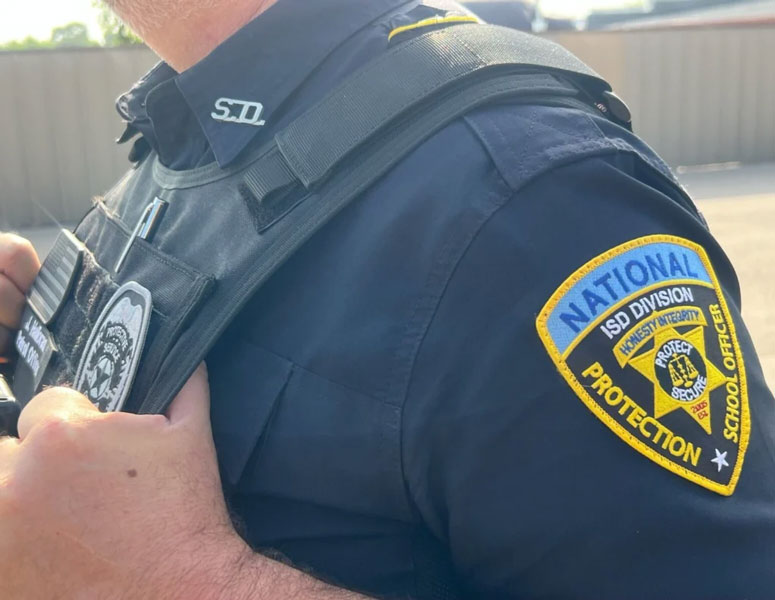
Uniformed Officers Who Set the Tone: A uniformed officer checks badges and answers visitor questions, which sounds simple but carries real weight. The uniform works as a signal of order. Criminologists link this kind of crime deterrence to how people judge their odds of getting caught, and a clearly marked officer raises those odds in a would-be offender’s mind right away.
Plainclothes Agents Who Blend In: Plainclothes agents dress like shoppers or employees. They watch for shoplifting patterns or someone lingering too long near a stockroom. Strong situational awareness matters more here than a badge does. Many security guard services pair one plainclothes agent with a uniformed officer, which perhaps gives you the best of both approaches on a crowded day.
Armed or Unarmed Coverage Depends on What Is at Stake
Matching Armed Coverage to Real Risk: Unarmed officers handle most offices and residential communities well. Armed coverage makes more sense around cash handling and at locations with a history of violent incidents. In Texas, armed officers must hold a commission and complete extra firearms training. A clear use-of-force policy should spell out when an officer can act. Points worth raising with any provider:
- Has the site had violent incidents before?
- Cash or expensive stock changing hands on-site.
- Who visits. Families with children react to a visible firearm very differently than warehouse crews do.
- Any lease or insurance terms that mention armed personnel.
Building a Mix That Fits the Site: Few properties need just one type of coverage. A distribution center might run a uniformed officer at the gate during the day and an armed patrol overnight. A careful security guard service starts with a threat assessment of the site, then builds a schedule around actual hours, entry points, and the people moving through each shift.
A Property That Feels Safe and Still Welcomes People
Picture a building where tenants feel at ease and trouble stays at the curb. Start with an honest conversation about your site, your budget, and the incidents you worry about most. Ask for a walkthrough and a written coverage plan, then talk with a licensed security provider about the mix of officers that meets your duty of care.
