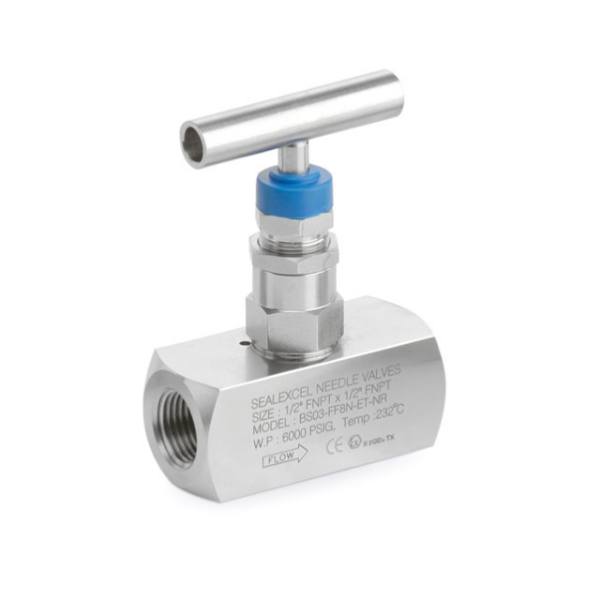
From Instrument Isolation to Flow Control, Needle Valve Manufacturers Understand the Application to Give Best Product
A needle valve looks simple. Small body, fine-threaded stem, a seat that closes slowly rather than slamming shut. What it actually does depends entirely on where it sits in the system. Experienced needle valve manufacturers ask about the line before suggesting a part number, because one valve can isolate, throttle or vent.
One Valve, Several Jobs Across the Plant
Isolation Duty Under Full Line Pressure: Isolation is the most common job. A gauge, a transmitter or a sampling point has to come off line without disturbing anything upstream. Needle valve manufacturers build the stem and seat for repeated closure at working pressure, since an isolation valve gets cycled far more than a throttling one ever will.
Venting and Pressure Measurement Roles: Bleeding trapped air from a circuit calls for controlled release, not a sudden dump. Among the top pneumatic companies in India, valve ranges are built around gauge protection and slow venting, where an operator wants pressure to fall in a measured way rather than all at once.
Stem Profile Decides How Finely Flow Behaves
Blunt Stems for General Shut-off Service: A blunt, non-tapered stem suits open-and-shut work. It reaches full bore quickly, keeping pressure loss down when the valve spends most of its life wide open. Comparing the flow coefficient across sizes shows a buyer how much any given body restricts the line at full lift.
Tapered Stems for Precise Flow Regulation: A vee or tapered stem changes the character completely. Each turn of the handle shifts flow slightly, so an operator can hold a sample line steady at a few millilitres per minute. Good needle valve manufacturers ask what resolution the duty needs before recommending a stem profile.
Where These Valves Earn Their Keep
Hydraulic and Pneumatic Line Demands: Some hydraulic circuits run at 350 bar and above, around 5000 psi, so body strength decides the choice there. Pneumatic lines are gentler on pressure and harder on cleanliness. Stainless bodies bring corrosion resistance that brass cannot match in damp plant air, though brass still serves dry indoor work.
Instrumentation and Gauge Protection Duty: Gauge protection is the quiet application nobody budgets for until a pointer snaps. Throttled down to a crack, the valve absorbs spikes before they reach the movement. Suppliers ranked among the top pneumatic companies in India stock these in panel-mount and bulkhead forms for instrumentation racks.
Details worth handing over before an order goes in:
- Working pressure and temperature, both normal running and the worst case the line ever sees.
- The medium. Wet gas behaves nothing like hydraulic oil.
- Thread standard, NPT or BSP, plus the tube size it mates to.
- How often the valve gets operated. Daily throttling wears a seat differently from an annual shutdown.
- Vibration near compressors, which usually calls for a locking device on the handle.
Getting the Right Valve onto the Right Line
Application first, part number second. That order saves money later. Buyers who describe the actual duty, the media and the pressure swing end up with a valve that lasts, rather than one that fits the port and fails inside a year. Share the operating conditions with a technical team and ask for a recommendation before ordering.
