What Happens During a Professional Roof Inspection?
A professional roof inspection will help in detecting hidden problems before it turns into costly repairs. Frequent checks enhance the functionality of roofs and increase the lifespan of roofing materials.
They are also useful in assisting property owners for maintaining structural safety during varying weather conditions. Knowing inspection procedures helps in better scheduling maintenance and preventing unsuspected damage.
Exterior Roof Assessment
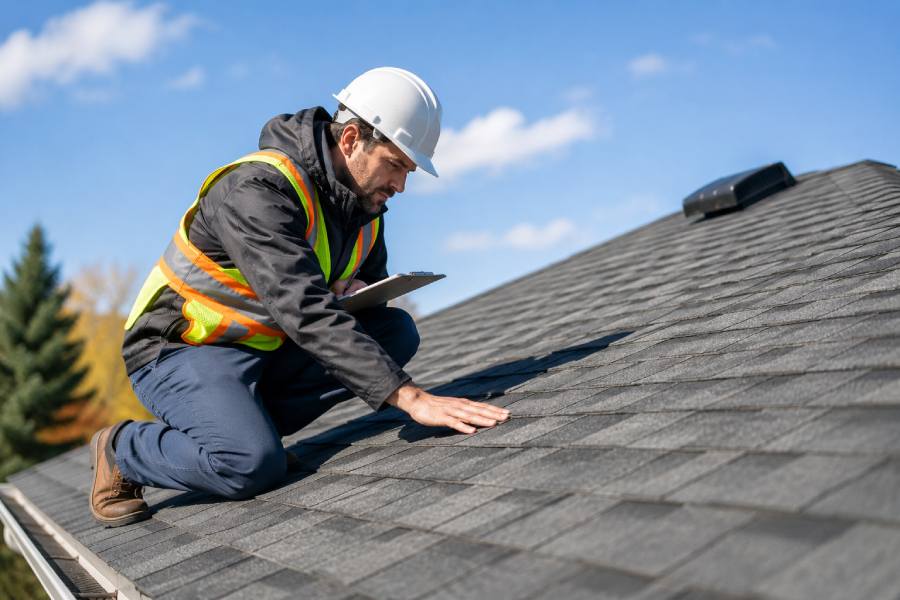
Professional roofers in Los Angeles begin by examining the roof structure in general. They inspect shingles, flashing, vents, chimneys and roof valleys, to observe noticeable damage.
Missing materials, damaged surfaces, and detachable parts are directly dealt with during such examinations. Inspectors examine roof drainage to find areas in which water may be stored.
In addition, professionals also make sure that no traces of weather damage are present because of tough winds or heavy rainfall. They check roof edges and ridges on structural movement or material corrosion. This thorough evaluation gives a perfect idea of the overall roof condition. Early screening will help in avoiding minor flaws turning into serious structural issues.
Structural Inspection
A thorough structural inspection focuses on the roof’s stability and supporting framework. Inspectors assess decking, rafters, and load-bearing parts of structures to determine any obvious evidence of damage. They check on some of the sagging regions that might result in structural weaknesses.
Adequate structural analysis is to keep the roofing system safe and reliable. In case of damages, it might be necessary to carry out roof repair in Los Angeles to restore the structural integrity.
When resolved at the initial stages, the problems avoid further harm and costly repairs. Professional recommendations help property owners to prioritize repairs that should be performed successfully. Prompt intervention safeguards the building, as well as occupants.
Interior Inspection
Roof inspection is not only limited to exterior surfaces, but also to the interior spaces of the building. Inspectors check ceilings, attic spaces and attic insulation to detect high moisture issues. Water spots can easily show some hidden leaks that need professional attention. Good attic ventilation is taken into consideration during the inspection.
Inspectors examine attic spaces to identify mold development, rotten timber and moisture. Poor ventilation or hidden moisture intrusion is usually the cause of these conditions. Such issues can be identified early enough to maintain healthier indoor environments. Immediate repairs minimize further structural damages.
Drainage System Evaluation
A good drainage system helps to prevent the accumulation of water and damages on the roof due to moisture. Gutters, downpipes, and drainage pipes are also inspected by professionals to ascertain whether there is any clog, blockage or damages.
Blocked gutters may cause decay of the roof over time. Adequate water flow will decrease the chances of water leakages and foundation issues. Gutter fasteners and drainage connections are checked by professionals to be securely attached.
Any damaged parts are documented to be used in future maintenance or replacement. Clean drainage systems enhance improved roof performance. Durability of roofing materials is prolonged by regular maintenance.
Inspection Report and Recommendations
Once the inspection is completed, professionals draw up a detailed assessment report for property owners. The report presents the problems found, proposed work to do, and the roof condition in a clear way.
Supporting photographs may be used to clarify particular points of concern. Maintenance recommendations also aid in avoiding roofing issues in the future. Professional recommendations enable property owners to set up repairs before they worsen significantly.
Documentation makes insurance claims and maintenance planning to be clear where needed. By taking advice from an expert, it will maximize the performance of the roof over many years. Regular check-ups maintain the roof sheathing, pipe booting and other important roofing elements.
Conclusion
The value of professional roof inspections is to offer information on the quality and safety of roofing systems. Problems should be fixed early to save repair costs and avoid unexpected structural destruction. Regular assessment enhances roof performance and value in the long run. Conducting frequent inspections can be beneficial in providing reliable protection throughout every season.
