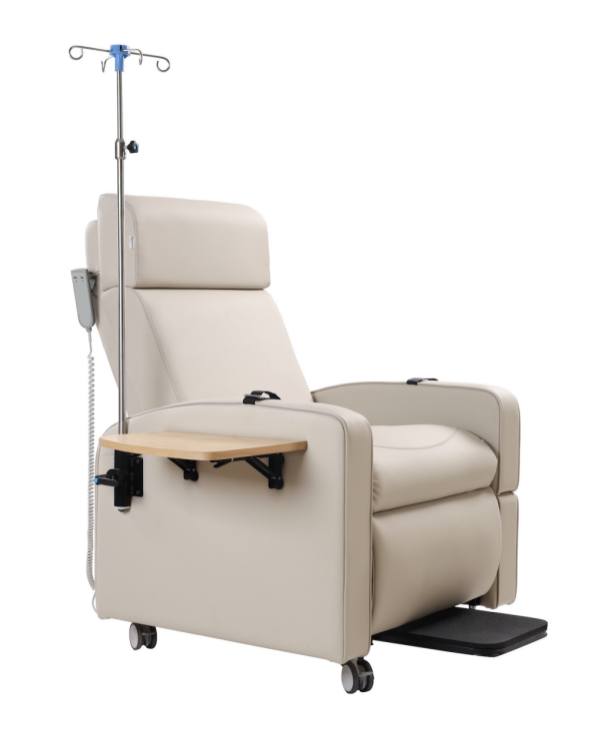
How a Medical Recliner Chair Supports Care across Clinical Settings
Specialised clinics furnish each room around the work done inside it. A dermatology suite, an infusion bay, and a recovery area each call for different seating. Many procurement teams start with the examination table price as a planning benchmark, then assess every other purchase against their clinical routines, available space, and the patients they serve.
Reading Specifications before Reading Price Tags
Comparing Value across the Full Specification: Cost matters, though it tells only part of the story. Reviewing the examination table price alongside build quality, adjustment functions, and warranty terms gives buyers a fuller picture of long-term value. A chair or table that holds up through years of daily use can offer value well beyond its original quotation.
One Seat Serving Several Departments: Few practices need a separate seat for every procedure. A well-specified medical recliner chair can be suitable for infusion, phlebotomy, minor treatments, and post-procedure recovery from a single footprint. Facilities should still confirm that the model they select matches each intended application, since functions, dimensions, and weight capacity vary between products.
Design Details That Shape Daily Clinical Work
Positioning Patients with Less Effort: Motorised height, backrest, and leg rest controls make patient positioning quicker and more repeatable through a working day. Staff adjust the seat to the procedure rather than the other way around. Where a model offers a low access height, patients with limited mobility can transfer on and off more easily.
Budgeting around Real Caseloads: No two facilities carry identical caseloads, so equipment lists differ too. Comparing the examination table price with the capability of reclining seats helps a clinic direct its budget where it serves patients most. A smaller room may favour one adaptable seat. A larger centre can spread spending across specialised tables and chairs.
Materials That Stand up to Constant Cleaning
Surfaces Made for Repeated Disinfection: Staff wipe clinical seating down many times a day. Upholstery selected for healthcare environments and compatibility with appropriate cleaning and disinfection products can help withstand repeated exposure to cleaning agents while maintaining its feel and colour. Paired with a powder-coated steel frame, these materials can help maintain the appearance of the room and support manageable maintenance requirements.
Comfort Built into the Frame: Long treatment sessions test seating as much as they test patience. A medical recliner chair with a shaped backrest, generous seat depth, and supportive armrests can provide a more supportive seating position during extended care. Comfort of this kind comes from the frame up, planned during manufacture rather than added later through cushions or covers.
A Short Checklist before You Commit
Before placing an order, review the manufacturer’s technical documentation and confirm that the product suits your intended application. These points repay attention once a chair enters daily service, long after you file the quotation and the delivery reaches your facility. Suppliers answer detailed questions better than vague ones.
● Range of motorised adjustments, covering height, backrest, leg rest, and tilt
● Access height suited to comfortable patient transfers
● Weight capacity matched to your patient mix
● Surfaces rated for frequent disinfection
● Warranty terms, spare parts, and after-sales support over the working life of the chair
Planning Treatment Spaces That Serve You for Years
Careful selection can help reduce the likelihood of premature replacement. Compare relevant models, read their specifications closely, and ask each supplier the questions your caseload raises. Request further product information or a demonstration before you commit, and choose the seat that fits the way your clinic actually works, not the way a brochure describes it.
