Why Commercial Buildings Are Moving Toward More Strategic Cooling and Compliance Planning
The way commercial properties handle their cooling systems has shifted noticeably over recent years. Owners and facility teams no longer treat routine maintenance as a purely reactive task. They are now folding it into a wider compliance picture, where energy performance and statutory inspections shape decisions about each chilled area.
Pressure Points Reshaping Building Operations
Proactive Plans Replacing Reactive Repairs: Many smarter operators have started booking a regular commercial air conditioning service well before breakdowns force their hand. This kind of forward planning catches drift in performance early on, keeps chillers running closer to their original specification, and builds a useful paper trail that supports broader compliance work when auditors or assessors come asking later down the line.
Compliance Linked Closely With Cooling Performance: A scheduled TM44 inspection Bristol owners arrange each cycle does more than tick a regulatory box on a form. The assessment captures real data on system efficacy, control settings, and sizing across the building, all of which feed straight back into maintenance plans. That overlap between regulatory work and day-to-day upkeep is what makes the modern approach feel different.
Where Servicing and Statutory Duties Meet
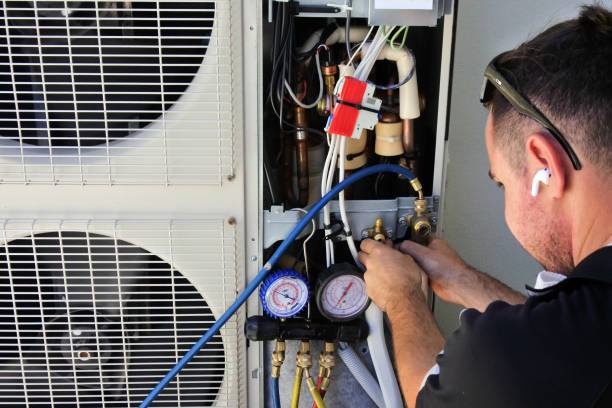
Reliability Built Through Routine Attention: Routine attention to compressors, condenser coils, and refrigerant handling is what tends to keep cooling systems honest over time. Small faults that might slip past a busy facilities team will often surface during structured visits, giving owners a chance to address them before they grow into expensive problems. Reliability tends to track closely with the discipline of those visits.
What Structured Servicing Routines Tend to Cover: A well-run servicing programme typically checks a familiar set of items each cycle:
- Filter cleanliness and replacement intervals across each indoor unit
- Condition of coils, fans, and drainage pans during seasonal changeovers
- Pressure and temperature readings against expected operating baselines
- Control logic and timer settings matched against occupancy patterns
- Documented records that line up with later inspection requirements
Smarter Energy Decisions Through Better Data
Sharper Insight Into Building Conditions: Detailed assessments give owners a clearer picture of how their cooling actually behaves under real load conditions. From thermal comfort through to indoor air quality, the resulting reports help teams pinpoint zones that drift outside acceptable ranges. Decisions about retrofit work, control upgrades, or replacement cycles then rest on something firmer than guesswork or simple gut feeling.
Data Feeding Smarter Capital Choices: The figures gathered during inspections feed directly into capital planning conversations. Boards and asset managers can compare projected savings against the cost of upgrading older equipment, weigh refurbishment against full replacement, and prioritise sites where action will pay back quickest. That financial framing turns compliance from a chore into something genuinely useful for the business as a whole.
Smart Decisions for Larger Property Portfolios
Multi-Site Owners Gaining the Most: Property groups running several locations probably gain the strongest benefit from a combined approach. A central record of inspection dates, servicing visits, and outstanding remedial actions cuts down sharply on missed deadlines. It also gives senior leadership a single, defensible view of how each asset stands against tightening compliance expectations across the wider portfolio.
Coordinating Servicing With Inspection Cycles: Aligning servicing windows with statutory inspection dates keeps disruption to a minimum and avoids the awkward situation of two contractors working the same plant in the same month. Schedules drawn up a year ahead give procurement teams time to compare quotes and book qualified assessors without rushing into last-minute arrangements.
Building a Future-Ready Facility
Cooling systems will only grow more central to how commercial properties earn their compliance standing in the coming years. Owners who pair scheduled servicing with timely statutory checks tend to face fewer surprises, lower running costs, and a calmer audit trail. Property teams should arrange a qualified assessor today to review their cooling and inspection programme.
Featured Image Source: https://media.gettyimages.com/id/1361654590/photo/air-conditioner-technician-repairing-air-conditioning-condenser-units.jpg?s=612×612&w=0&k=20&c=85eClVnfOfnjdIHkprsbs_QtQreayuFCD2w2TPupUiE=
