Donate a Body to Science Planning Is Offering Families an Alternative Approach to Traditional Final Arrangements
Conversations about death rarely feel easy, and most people would rather avoid them entirely. Still, families across the country are starting to talk more openly about what comes next after death. Some want something simpler than a costly funeral. Others want their passing to carry meaning beyond grief. That quiet shift is slowly changing how end-of-life choices get made.
A Different Kind of Farewell Takes Shape
A Choice Rooted in Purpose: For people who want their final act to carry weight, donating body to science after death offers a way to keep contributing once they are gone. The decision lets students learn anatomy firsthand. It supports research into diseases that still puzzle doctors. Purpose, in this sense, outlasts a single lifetime.
Easing the Weight on Loved Ones: Beyond the bigger mission, body donation can lift practical pressure off grieving relatives. Many programs handle transport and paperwork, so families face fewer arrangements during a hard time. There is comfort in knowing the process is managed with care. For some, that relief matters as much as the contribution itself.
Money, Plans, and the Talks Families Put Off
Planning Without the Sticker Shock: Traditional funerals can run into thousands of dollars, and that figure surprises people. When weighing end of life decisions, cost often sits near the top of the list. Donation programs typically cover transport, cremation, and the return of remains at no charge. That difference reshapes what families think they can afford.
Relief That Arrives When It Is Needed Most: Losing someone is hard enough without a bill that strains the household budget. For families already under financial pressure, a no-cost option removes one heavy worry. Savings can stay where they belong, with the living. People rarely expect this kind of practical help, yet it shows up exactly when grief is fresh.
What Actually Gets Taken Care Of
Services That Lighten the Load: Most people picture a complicated process, yet coordinated programs quietly cover the steps that tend to overwhelm grieving families. Here is what these services usually include:
- Transportation of the donor at no cost to the family
- Guidance through donor registration and required forms
- Return of cremated remains to loved ones afterward
- Coordinated arrangements managed with respect at every stage
Knowing the Process Is Handled with Dignity: Worry tends to fade once families understand how carefully each donor is treated. Trained staff follow strict protocols and remains are always handled with respect. Some relatives even receive notes about how the donation aided study or research. That kind of feedback can turn a painful loss into a source of quiet pride.
Leaving Behind More Than Memory
Planning ahead spares loved ones from guessing later, often during the worst week of their lives. Talking through these options now, while things are calm, makes a hard moment a little softer down the road. If contributing to scientific progress while easing your family’s burden feels right, take a few minutes to explore registration and begin the conversation.
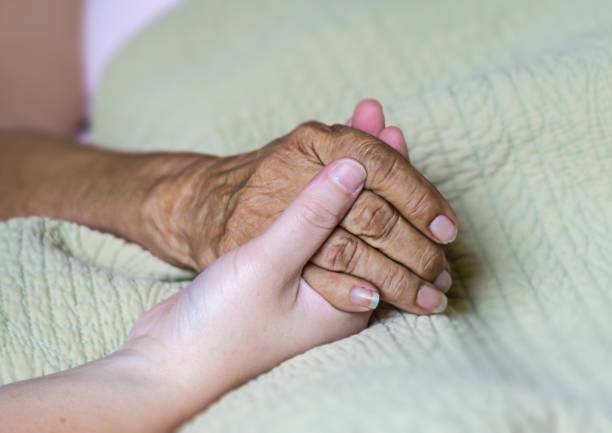
Featured Image Source: https://media.gettyimages.com/id/1497762467/photo/senior-womans-hand.jpg?s=612×612&w=0&k=20&c=BxChyOjnvxULH4yUhYOHjfb-25pBEQozj7E1ulO8R08=
