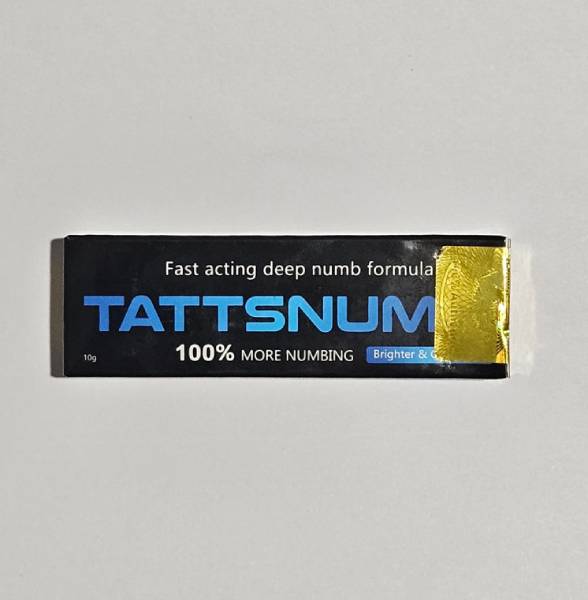
From Chair to Healing: How a Tattoo Numbing Cream and Aftercare Tattoo Cream Work Together to heal your scars
Getting a tattoo is not just about visiting an artist and getting inked. It is followed by weeks of healing and aftercare. A tattoo numbing cream and aftercare cream can help with both these processes. Skip either, and your skin will tell the story for years to come. Moreover, touch-ups cost money and more time under the needle. Let us see what a numbing cream and an aftercare cream do and how they can help.
What Tattoo Numbing Cream Does
The tattoo numbing cream contains lidocaine, which is an anesthetic substance that works by interrupting nerve signals in close proximity to the outer layer of the skin. This cream must be used correctly before getting a tattoo to minimise the stinging sensation caused by the tattoo needles, allowing you to remain still. Some lidocaine creams are approved for skin use in Australia.
Apply a thick layer of the tattoo numbing cream to clean, dry skin about 45 to 60 minutes before your appointment. Make sure to cover the area with cling wrap to keep warmth in, help absorption, and wipe it off right before the artist starts. Not wrapping the area will affect proper absorption. Applying it too late will make the peak effect arrive at the wrong time.
Why the Healing Half Matters Just as Much
When you get a tattoo inked, your body opens a wound. The pigments reside just below the thin surface layer of broken skin. If this skin isn’t cared for properly, the colours will run, and the lines will smudge. On top of all that, there are scabs that lift the ink right off the skin.
However, using aftercare tattoo cream ensures that the skin stays moisturised and protected from bacteria for about the first two to four weeks. This is the time period that makes all the difference for the healing process.
How the Two Creams Work Together
Consider these two products as a set. The first one will make sure that the tattooing process goes smoothly, while the second one will help the skin heal well. Before the procedure, applying the numbing cream to the tattoo area reduces the level of pain felt. Therefore, it will be easier to sit still, and the tattoo artist will be able to do the job without any distractions. It is crucial to stay still because any small movement of the hand may affect the line. Interrupting the procedure leads to an uneven tattoo that requires touch-ups.
Quick Safety Checks
- Patch test 24 hours before use to rule out reactions.
- Avoid applying the numbing cream to broken or inflamed skin.
- Adhere strictly to the dosage and duration indicated on the package label.
- Make sure your hands are clean before applying the treatment.
- Avoid any scented or alcohol-containing solutions when healing is occurring.
- Women who are pregnant, individuals with cardiac issues, and patients on blood thinners must consult their physician first. Bear in mind that lidocaine is absorbed systemically, which makes dosage and application site critical.
A Realistic Note on What to Expect
The purpose of the anesthetic ointment is to reduce the level of pain. It doesn’t eradicate the pain altogether. Some level of pressure and vibration will always remain there, particularly in ribs, feet, and thin-skin regions. Aftercare treatment works in a similar manner. It assists in healing but doesn’t speed up the process.
Consult your tattoo artist about the best creams for the area of your tattoo and its overall size. An experienced artist has been through enough healing processes to know what really works for each type of skin. You can even ask about specific placement peculiarities, such as wrist tattoos that heal faster and rib tattoos that scab more heavily than most others.
Featured Image Source: https://www.numbingcream.com.au/cdn/shop/files/20250423-213315_1024x1024@2x.jpg?v=1745408364
