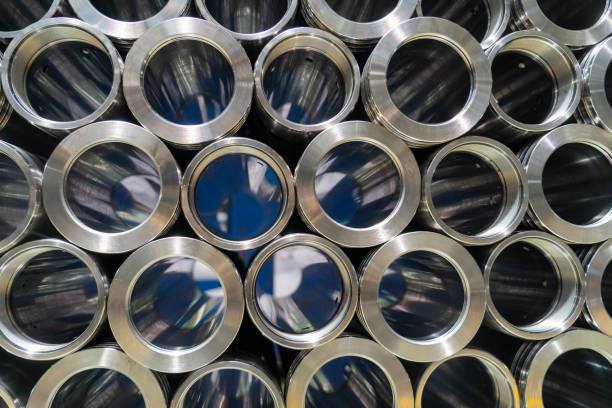
Balancing Corrosion and Heat Resistance Has Become a Key Challenge in Industrial Pipe Selection
Many plants run processes where corrosive chemicals and high temperatures strike the equipment at the same time. A pipe that handles one stress well can still crack or thin out under the other. That mismatch shows up as leaks, unplanned downtime, and rushed repairs nobody budgeted for. The fix starts with smarter material choices.
Picking Alloys That Hold Up Where Failure Costs Most
Built for Aggressive Chemical Service: In systems carrying strong acids, chlorides, or oxidizing mixtures, ordinary grades give out fast. The c276 pipe holds its surface in these brutal conditions, resisting pitting and crevice attack where lesser materials fail. For sections exposed to constant chemical contact, that staying power often decides whether a line lasts years or months.
Steady Performance Under Sustained Heat: Where temperatures climb and stay high, the concern shifts toward scaling and loss of strength. A 309 stainless steel pipe carries enough chromium and nickel to resist oxidation in hot furnace and exhaust settings. It keeps its shape under thermal cycling, so operators avoid the warping and cracking that force early shutdowns.
Reading the System Before the Material List
Mapping Stress Zones Across the Process: No single grade fits an entire plant. Each zone faces its own blend of pressure, media, and temperature, so the smart move is to map those stresses first. Strong corrosion resistance matters most near acid contact points, while heat tolerance dominates closer to fired equipment. Matching grade to zone trims waste and risk.
Counting the Real Price of a Cheap Substitute: A lower-cost grade can look smart on a purchase order and then drain budgets later. Premature thinning, surprise leaks, and emergency replacement parts add up well past the savings. Procurement teams who weigh full lifecycle cost, not just unit price, tend to avoid the painful calls that come with a failed line.
Where Smart Selection Pays Off on the Floor
Holding Shape When Conditions Turn Harsh: Pipes that keep their structural integrity through pressure swings and heat spikes protect everything downstream. When a line holds firm, valves, pumps, and joints stay aligned and seals last longer. That stability lowers the odds of a chain reaction failure, the kind that turns one weak fitting into a full plant stoppage.
Reducing the Hidden Cost of Downtime: Every unplanned stoppage carries costs that go far beyond the broken part. Lost production, idle crews, and missed delivery dates pile up quickly. Lines built from grades suited to their exact duty run longer between outages. Fewer surprises mean steadier schedules, calmer maintenance teams, and a plant that meets its numbers.
A Practical Checklist Before You Lock In a Grade
Questions Worth Asking Up Front: Before signing off on a material, a short review can save months of trouble. The goal is simple, match each line to the worst conditions it will actually face, not the average ones. A few honest checks help narrow the options down to grades that genuinely earn their place in the system.
- The exact media in the line: acids, chlorides, gases, or a shifting mix
- Peak temperature, not just the daily average
- Pressure cycles and how often they swing
- Whether the section sits near fired or heated equipment
- Expected service life weighed against replacement and downtime cost
Turning a List Into a Lasting Decision: Once those answers are clear, the right grade tends to stand out on its own. Some sections call for heavy chemical defense, others for heat stability, and many need a thoughtful split between the two. Working with a knowledgeable supplier helps confirm the call before the order ships and metal gets cut.
Build Lines That Outlast the Conditions They Face
The plants that run smoothest are the ones that respect what each section endures and choose materials to match. Get the pairing right and you trade panic repairs for predictable performance. Talk with an experienced alloy and pipe distributor today, share your service conditions, and lock in grades built to keep your operation running.
Featured Image Source: https://media.gettyimages.com/id/1413728970/photo/metal-pipe-fittings-during-machining.jpg?s=612×612&w=0&k=20&c=6r7utpTxC7tFGnW7rHtLpmH7fa3ijXpVIha279oGBDY=
