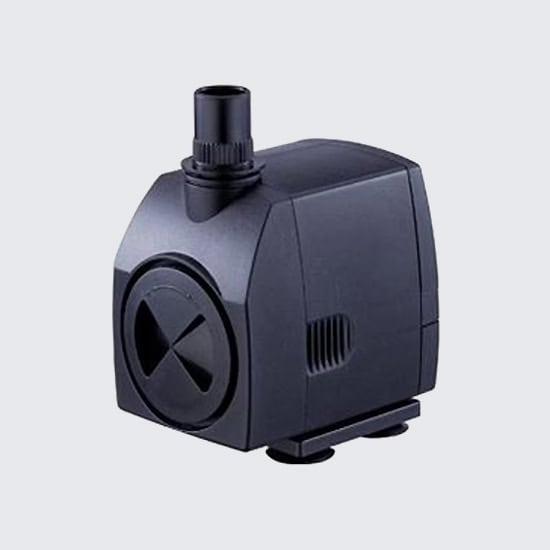
Energy-Efficient Pumps for Fountains: Reducing Operating Costs Without Sacrificing Performance
Water features look peaceful. But behind that calm surface, a pump is working every hour of every day, drawing power and quietly adding to operating costs. Most people don’t think about this until the electricity bill lands. That’s when the questions start — whereas they should’ve started sooner.
The Hidden Cost of Keeping Water Moving
Matching Output to Real Demand: A submersible fountain pump running at the wrong capacity wastes energy constantly. Not in dramatic bursts, but in small, steady draws that add up over weeks. Oversized motors push water harder than the feature needs, and that gap between what’s required and what’s delivered is pure waste. Sizing down to actual demand is where the savings begin.
When the Motor Is the Problem: Choosing the right pumps for fountains starts with understanding what’s already failing. Older pump motors run warm, run loud, and run inefficiently. A pump with a worn motor may move the same water volume, but it draws significantly more power to do it. Upgrading the motor alone can drop energy consumption noticeably, sometimes 20 to 30 percent, without changing the feature at all.
Smarter Pumps, Lower Bills
What High-Efficiency Motors Actually Do: Pumps fitted with brushless DC or permanent magnet motors change the math entirely. These motors convert electrical energy to mechanical motion with far less heat loss. Less heat means less wasted energy. They run cooler, last longer, and the operating cost difference over a single year can offset a meaningful portion of the purchase price.
The Long-Term Cost Comparison That Changes Minds: A cheaper pump priced attractively at purchase can cost two to three times more over five years in electricity alone. That’s not a hypothetical. Hydraulic flow rate calculations on two pumps with similar output but different motor types consistently show this gap widening every year. The sticker price is one number. The total cost of ownership is a different one.
Sizing Right From the Start
Avoid the Overworked Pump Problem: A pump pushing more water than the feature needs is one issue. A pump straining to meet demand it wasn’t built for is worse. Both scenarios shorten lifespan and spike energy use. Matching pump capacity to pond volume and fountain head height is basic, but it’s where a lot of people make the first mistake.
Why Proper Sizing Protects Performance:
- An undersized pump struggles continuously, drawing near-maximum power with reduced output
- Oversized pumps cycle inefficiently, building pressure the feature can’t use
- Correct sizing keeps the motor in its ideal operating range, where energy use is lowest
- Poor sizing accelerates wear on seals and impellers, adding repair costs that weren’t budgeted
Maintenance as a Cost-Control Strategy
What Gets Ignored Costs the Most: Impeller maintenance is one of those things that gets pushed off until there’s a problem. Debris buildup on the impeller forces the motor to work harder for the same output. A clogged intake restricts flow and increases power draw. These aren’t catastrophic failures — they’re slow bleeds on energy and performance that go unnoticed for months.
Building a Routine That Pays Off: Cleaning the intake screen every few weeks, checking for debris around the pump housing, and inspecting seals for wear before each season extends pump life considerably. A pump that runs clean runs efficiently. That’s not complicated, but it’s the part most people skip until something breaks.
Where Efficiency Meets the Real World
Energy-efficient fountain pumps aren’t just for large commercial installations. Residential water features benefit just as much, maybe more, cause the operating hours are just as long and the budgets are tighter. Choosing the right pump, sizing it correctly, and keeping it maintained means lower bills, longer equipment life, and a water feature that performs without surprises. Start with the specs. Run the numbers. The savings are real, and they start from day one.
Featured Image Source: /www.fountaintechpumps.com/wp-content/uploads/2022/11/fountain-tech-ft-300.jpg
