How a Well-Designed Pooja Room Shapes Children’s Relationship With Spirituality
Parents often wonder why some children naturally gravitate towards spiritual practices whilst others remain distant. The answer lies less in forced teaching and more in environmental design. A dedicated prayer space creates visual permanence that shapes behaviour over time. Children learn by watching, and what they see repeatedly becomes familiar, then comfortable, then meaningful.
Sacred Spaces That Speak to Young Eyes
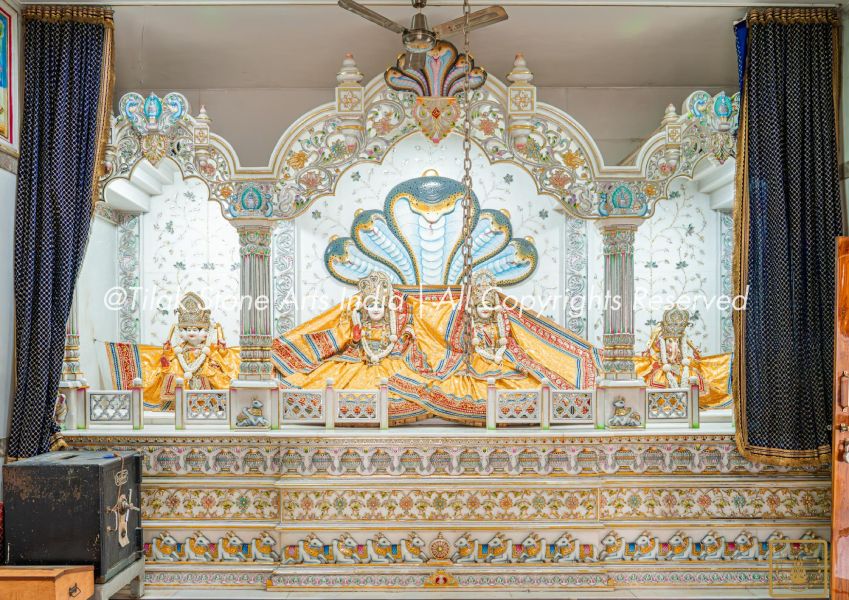
Visual Accessibility Creates Natural Curiosity: A simple marble mandir design positioned at an appropriate height allows children to witness rituals without straining. When the prayer area remains visible from common living spaces, youngsters observe parents lighting diyas, offering flowers, and bowing in respect. This passive exposure builds familiarity long before active participation begins. The marble’s luminous quality catches light in ways that fascinate young minds, making the space inherently attractive.
Aesthetic Calm Invites Small Hands: The pooja room interior needs to balance grandeur with approachability. Overly ornate designs can intimidate children, making them hesitant to enter or touch anything. Clean lines paired with gentle carvings create beauty without creating fear. When children feel safe approaching the sacred space, they begin mimicking gestures they have seen their parents perform, turning observation into early practice.
When Architecture Becomes a Silent Teacher
Spatial Psychology Shapes Behaviour Patterns: Vastu-compliant placement influences how family members interact with the prayer room. A north or east-facing mandir naturally receives morning light, which tends to coincide with when households are most active. Children who pass by the glowing space during breakfast routines begin associating morning time with spiritual practice. This environmental conditioning works more powerfully than verbal reminders.
Material Choices Communicate Values Without Words: The selection of premium stone for a mandir sends unspoken messages about what families prioritise. Vietnam White Marble’s durability teaches permanence. Its maintenance requirements demonstrate care and respect. When children observe parents cleaning and decorating the temple regularly, they absorb lessons about dedication. The material itself becomes a teaching tool through its physical presence and the attention it commands.
The Rhythm of Rituals Embedded in Design
Dedicated Storage Creates Participation Opportunities: Built-in drawers for puja items at child-accessible heights transform observers into helpers. When youngsters can retrieve incense sticks, match small bells, or select flowers from designated compartments, they develop ownership over spiritual activities. This design psychology converts passive watching into active contribution, building confidence and connection simultaneously.
Physical Structure Defines Family Gathering Patterns: Pooja rooms with adequate floor space accommodate multiple people comfortably. When parents, grandparents, and children can sit together during evening aarti, the space facilitates multi-generational knowledge transfer. Architecture that permits collective participation strengthens family bonds around shared spiritual moments:
- Sufficient width allows side-by-side seating for teaching moments
- Proper ventilation ensures comfort during longer prayer sessions
- Ambient lighting creates warmth that encourages lingering presence
- Acoustic properties let children hear mantras clearly without harsh echoes
Consistency Through Permanence Builds Lifelong Habits: Temporary arrangements fail to establish ritual consistency. A foldable setup or corner shelf sends messages about spirituality being occasional rather than central. Children internalise these spatial hierarchies. A permanent, beautifully designed pooja room communicates that prayer deserves dedicated space, time, and attention, shaping how youngsters prioritise spiritual practice as they mature.
Creating Tomorrow’s Spiritual Foundation Today
Children raised in homes with well-designed pooja rooms carry spatial memories into adulthood. The fragrance of incense, the cool touch of marble, the soft glow of oil lamps become anchors connecting them to childhood peace. When you invest in creating a prayer space that welcomes rather than excludes young family members, you build more than a room. You construct the emotional and spiritual foundation your children will return to throughout their lives. Start designing that sacred space today.
