Why SCADA Integrators Are Becoming Trusted Partners in Multi-Site Industrial Networks
Multi-site enterprises face mounting pressure to standardize automation processes across their facilities. SCADA integrators deliver centralized monitoring, consistent performance metrics, and scalable control architectures that address operational fragmentation while reducing the risks inherent in disconnected systems.
Managing industrial operations across multiple sites creates a web of complexity that stretches your technical resources thin. Each facility might run different control protocols, use incompatible data formats, or operate on legacy systems that refuse to communicate with newer equipment. This fragmentation costs you visibility, slows response times, and creates blind spots where efficiency losses hide. For example, when production anomalies occur at one location, you might not discover the pattern affecting three other sites until days later.
Centralized Control Across Distributed Operations
Unified Architecture Through Expert Integration: A SCADA integrator builds the technical framework that connects disparate facilities into a cohesive network. They map your existing control systems, identify communication gaps, and design integration pathways that preserve your operational investments while establishing standardized data flows. You gain real-time visibility into every location without forcing identical equipment across sites that have different production requirements.
Scalable Monitoring Infrastructure: The right automation solutions transform fragmented facilities into synchronized operations. Your team monitors critical parameters from a central dashboard, comparing performance metrics across locations and spotting efficiency variations that signal underlying problems. This centralized approach reduces the need for specialized operators at each site while improving your ability to respond to system deviations before they cascade into costly downtime.
Standardized Performance Without Operational Disruption
Protocol Translation and Data Harmonization: Different facilities often speak different technical languages. One site runs on Modbus while another uses Profinet, creating data silos that prevent meaningful comparison. Industrial communication protocols are translated through middleware layers that normalize information streams. You see consistent metrics regardless of the underlying hardware, making cross-site analysis possible for the first time.
Phased Implementation Strategies: Integration happens in stages, which minimizes production interruption. Critical systems get connected first, establishing baseline monitoring before expanding to secondary processes. This measured approach lets you validate performance gains at each step rather than gambling on a complete overnight transformation. Your operations continue while the technical foundation strengthens beneath them.
Risk Reduction Through Systematic Visibility
Early Warning Detection Across Networks: Connected systems reveal patterns invisible to isolated facilities. Temperature drift at Site A might correlate with pressure anomalies at Site C, suggesting a supply chain issue affecting multiple locations. These insights emerge only when data flows freely between sites, giving you advance warning of problems that would otherwise surprise you during critical production runs.
Key monitoring capabilities include:
- Real-time alarm aggregation across all facilities
- Comparative trending that highlights performance outliers
- Automated reporting that tracks standardized KPIs
- Historical data analysis for predictive maintenance scheduling
Compliance Documentation and Audit Trails: Regulatory requirements don’t ease up because you operate multiple facilities. Centralized SCADA systems maintain consistent documentation standards across your network, creating audit trails that satisfy inspectors while reducing the administrative burden on site managers. You demonstrate compliance through automated reports rather than scrambling to compile data from disconnected sources.
Conclusion
Disconnected facilities represent a competitive liability in industries where margins tighten with each inefficiency. The technical expertise of specialized integrators transforms operational chaos into coordinated networks that respond faster, waste less, and scale more reliably.
Contact experienced control system professionals to assess your current infrastructure and identify integration opportunities that deliver measurable returns across your multi-site operations.
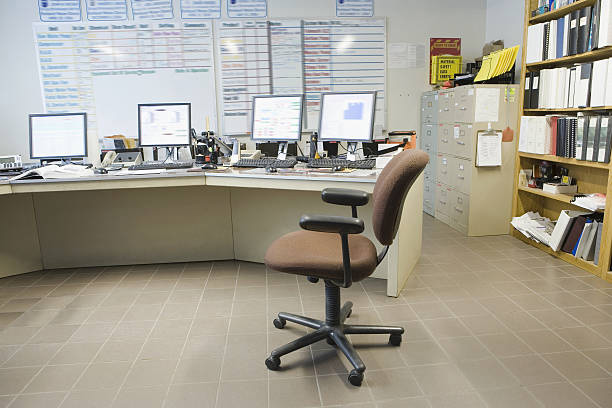
Featured Image Source: https://media.gettyimages.com/id/84421979/photo/interiors-of-an-empty-control-room.jpg?s=612×612&w=0&k=20&c=DCRZ-vKPJsD47nHiiAH09AHi8jXqICVBKAc45a_cNo4=
