The Relationship Between Fountain Height and Pump Power
Water features bring tranquility and visual appeal to any outdoor space. When planning a fountain installation, one crucial aspect often overlooked is the relationship between fountain height and pump power. This connection determines not only the visual impact of the water display but also affects energy consumption, maintenance requirements, and overall system performance.
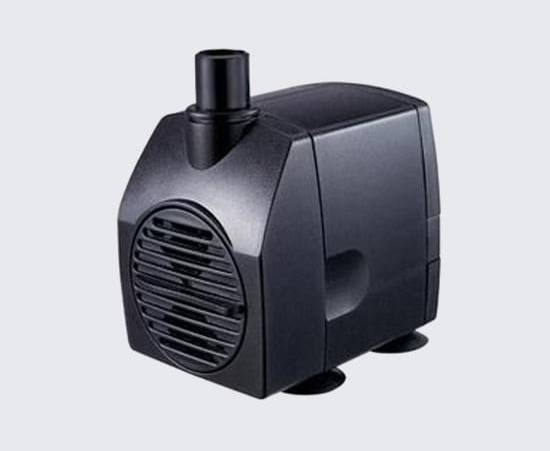
Many homeowners struggle when trying to buy fountain pond pump options that match their vision. The disappointment of installing a pump only to discover it creates a mere trickle instead of the dramatic spray expected is all too common. Selecting the right pump requires understanding how water flow, measured in gallons per hour (GPH), relates to the vertical distance water must travel.
Professionals who install pumps for fountain projects know that head height represents the vertical distance water travels from the pump to the highest point of the fountain. For every foot of head height, pump performance decreases. A pump rated for 1,000 GPH at zero feet might only deliver 500 GPH at a 10-foot height. This reduction affects both water volume and spray pattern.
Understanding Pump Power Ratings
Fountain pumps come with two critical specifications: flow rate (GPH) and maximum head height. These numbers tell the story of what the pump can achieve. A pump with 3,000 GPH and 20 feet maximum head height will create a more impressive display than one with 1,500 GPH and 10 feet of head height.
Water resistance increases exponentially with height. Pushing water up 20 feet requires significantly more power than pushing it up 10 feet – not just double, but often four times the power. This physics principle explains why high fountains in public spaces use industrial-grade pumps that consume substantial electricity.
Calculating Needed Pump Power
For residential fountains, a simple formula helps determine the required pump power. Take the desired fountain height in feet, add the friction loss from tubing (roughly 1 foot per 10 feet of tubing), then find a pump with a maximum head height at least 20% higher than this number. This buffer accounts for decreased performance as the pump ages.
Nozzle selection dramatically impacts required pump power. Spray nozzles create different patterns – from narrow jets to wide fans – each placing different demands on the pump. A narrow jet might reach 15 feet with the same pump that only pushes a wide spray pattern to 8 feet due to the pressure differences involved.
Energy Efficiency Considerations
Modern fountain pumps balance power with efficiency. Variable speed pumps allow adjustments to height without replacing the entire unit. This flexibility proves valuable as seasonal changes or evolving preferences might call for different fountain displays throughout the year.
Oversized pumps waste electricity, while undersized ones struggle and wear out quickly. The sweet spot comes from matching pump capacity precisely to the desired fountain height plus a small margin for efficiency loss. Energy-efficient models might cost more initially but save money through lower operating costs and extended lifespan.
Common Height-Power Mistakes
The most frequent error in fountain installation involves ignoring the vertical distance from water source to display point. A pump sitting at the pond bottom pushing water through a 4-foot riser requires significantly more power than one pushing through a 1-foot pipe. This oversight leads to underwhelming displays and frustrated homeowners.
Another mistake involves neglecting filter needs. As pumps work harder to achieve greater heights, proper filtration becomes crucial. Without adequate filtering, debris quickly clogs nozzles, reducing fountain height regardless of pump power. Regular maintenance ensures the system operates as designed.
Understanding the relationship between fountain height and pump power helps create water features that delight rather than disappoint. By selecting the right equipment based on desired height, nozzle type, and energy considerations, fountain owners achieve the perfect balance of visual impact and operational efficiency. For professional assistance with pump selection or installation, reaching out to qualified water feature specialists ensures the final result matches the original vision. Ready to transform your outdoor space with the perfect fountain display? Start by selecting the right pump for your height goals today.
Featured Image Source: https://www.fountaintechpumps.com/wp-content/uploads/2022/10/fountain-tech-ft-160.jpg
