Memory Foam Sheet: The Silent Material Powering Modern Comfort-Driven Products
Most product developers, at some point, ask themselves why two products made from similar materials can feel completely different in use. The answer usually comes down to what is underneath — the base material itself. Foam quality shapes everything from the first impression a product makes to how well it holds up after years of daily use. That gap between a good product and a forgettable one often starts at the material selection stage.
The Layer That Quietly Elevates Every Product It Touches
Material as the Foundation: A memory foam sheet is not just a filler material. It is a performance component that determines how well a product responds to weight, movement, and heat. Manufacturers across furniture, bedding, and automotive sectors rely on it because it distributes pressure across its surface rather than concentrating stress on a single point. This reduces fatigue, supports body alignment, and contributes to a noticeably better user experience.
Consistency Matters More Than People Think: Foam that is cut or sourced inconsistently creates problems that surface later in production. Thickness variation across a sheet leads to uneven cushioning in the finished product. Manufacturers who work with precision-cut, density-controlled sheets avoid these downstream issues. The material needs to perform the same way from the first unit produced to the thousandth.
What Separates Comfort From Complaints
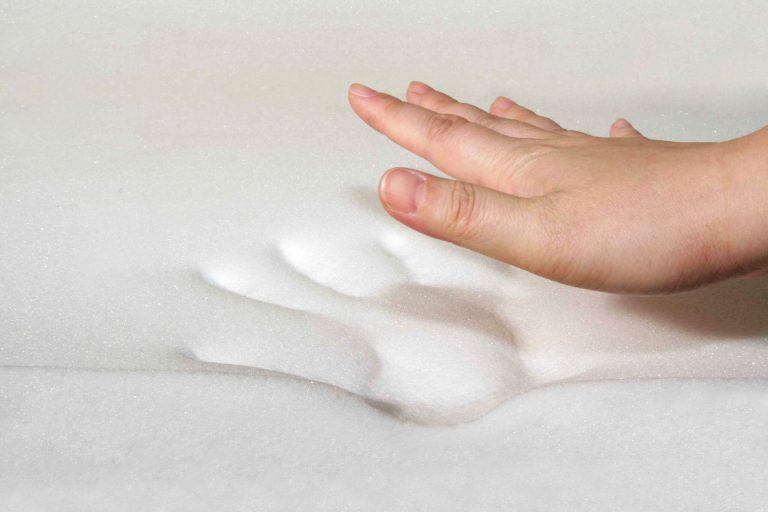
Conforming Without Collapsing: What makes this material genuinely useful across so many categories is its viscoelastic properties — the ability to soften in response to body heat and pressure, then return to its original shape once that pressure is removed. This is not a superficial comfort feature. It directly affects how a sofa holds its shape over time, how a car seat supports a driver on a long journey, and how a mattress performs across years of use.
Recovery Rate as a Quality Signal: Recovery time is one of the clearest indicators of foam quality. A sheet that springs back too quickly loses the pressure-relief benefit. One that recovers too slowly may feel sluggish or create a sinking sensation. The right recovery rate depends on density, formulation, and the specific application. Manufacturers match sheet specifications to end-use requirements before production begins.
Industries That Cannot Afford to Get the Material Wrong
Automotive and Industrial Uses: Memory foam sheets are used in automotive headrests, seat cushions, armrests, and door panel linings. In these applications, the material must handle repeated compression, temperature variation, and vibration without breaking down. The same applies to industrial cushioning and packaging, where compression set resistance determines how well foam holds its protective shape under sustained load.
Key selection factors for industrial and automotive use include:
- Density rating suited to load requirements
- Thermal stability across operating temperatures
- Resistance to deformation under prolonged pressure
- Dimensional accuracy for component fitment
Furniture and Bedding Performance: In furniture and bedding, a memory foam sheet influences the perceived quality of an entire product range. Buyers notice how a sofa feels the moment they sit on it. If the foam compresses unevenly, loses height, or retains heat, those impressions stick. Choosing the right sheet density and thickness from the start protects the product’s reputation before it reaches the consumer.
The Decision That Every Serious Manufacturer Eventually Gets Right
Manufacturers who treat memory foam sheet selection as a technical decision rather than a sourcing formality tend to produce better, longer-lasting products. If your current application requires precision-cut sheets with consistent density and verified performance data, speaking with a specialist foam supplier is the logical next step. The right material partner can match sheet specifications to exact product requirements, reducing production risk and improving end-product quality from the first batch.
Featured Image Source: https://flexipol.in/wp-content/uploads/2023/03/shutterstock_336304280-scaled-1-768×512.jpg
