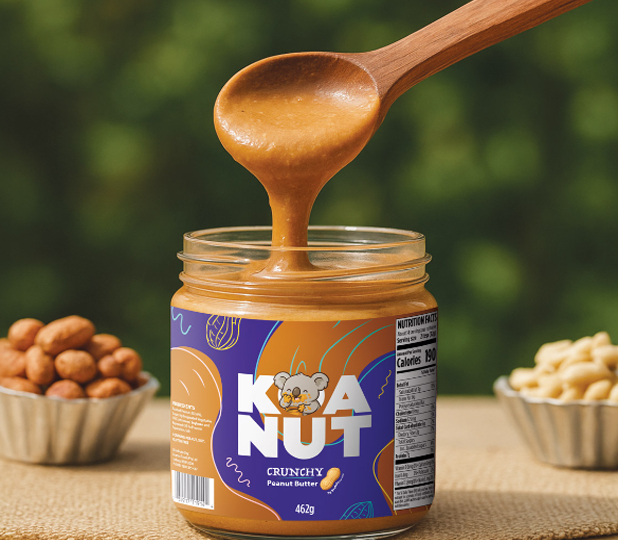
Step-by-Step: Designing Food Label Stickers That Comply with required information and Sell accordingly
Food packaging sits at a tricky crossroads. Your labels need to satisfy strict regulatory requirements and look good enough to stand out on crowded shelves. Getting both right isn’t optional anymore, it’s the baseline for staying in business and growing your brand name.
Think about the last time you picked up a food product in a store. What made you reach for it? Chances are, the label printing quality played a bigger role than you realised. Sharp text, vivid colours, and a professional finish all signal that the brand cares about quality from the outside in.
Here’s where food label stickers become your silent sales team. They’re working around the clock, communicating your brand values, meeting legal standards, and convincing browsers to become buyers. The best labels make compliance look effortless and turn mandatory information into part of your brand story.
Getting the Basics Right Without Boring Your Customers
Legibility Comes First: Text needs to be readable at arm’s length, full stop. If customers need to squint to read ingredient lists or allergen warnings, you’ve already lost them. Choose fonts that balance personality with clarity, and resist the temptation to shrink text just to fit more design elements.
Mandatory Information Placement: Australian food regulations require specific details in laid down formats. Allergen declarations need prominence, nutritional panels must meet size requirements, and storage instructions can’t be buried in tiny print. Smart designers work these requirements into the layout from the start rather than cramming them in at the end.
Colour Psychology in Action: Bright greens suggest freshness and health, deep reds communicate richness and indulgence, and earth tones whisper artisanal quality. Your colour choices aren’t just aesthetic decisions, they’re setting expectations about what’s inside the package before anyone reads a single word.
Bringing Your Design to Life Through Professional Printing
Digital Printing Advantages: Modern HP Indigo technology delivers colour accuracy that makes your carefully chosen palette pop exactly as intended. This matters when your brand identity depends on consistent colour across every batch, every time. Digital systems also allow for quick adjustments without the setup costs of traditional offset printing.Material Selection Matters:Polypropylene labels resist moisture and oils, making them perfect for products stored in fridges or handled with greasy fingers. Paper-based options work beautifully for dry goods and add that premium, tactile quality that customers associate with artisanal products. The wrong material choice here can undermine months of design work.
Featured image source: https://docs.google.com/document/d/1cAP-lGzNsnnhHbL-DDMcNJZXgsIiV5eBdabQWgXxgMA/edit?tab=t.0
