iPhone Repair for Water Damage: What Works and What Doesn’t
Water and electronics don’t mix – we all know this, yet many of us have experienced that heart-stopping moment when an iPhone takes an unexpected swim. Whether dropped in a toilet, soaked by rain, or dunked in a swimming pool, water damage ranks among the most common reasons people seek iPhone repairs. The good news? Not all water exposure means your device is permanently damaged.
For those looking for reliable iPhone repair Burwood services, knowing which repair shops have experience with water damage is crucial. Water damage requires specialized equipment, like ultrasonic cleaners and microscopes, to detect and address corrosion that may not be visible to the naked eye. Professional technicians can often save devices that seem beyond hope when proper techniques are applied quickly.
First aid matters tremendously when your iPhone gets wet. Turn it off immediately – this isn’t just advice, it’s essential to prevent short circuits. Remove any case and wipe the exterior dry with a soft, lint-free cloth. Resist the urge to use heat sources like hairdryers, which can cause further damage by pushing moisture deeper into the device or warping internal components.
Common Myths About Water Damage Repair
The internet is full of advice about fixing water-damaged phones, but much of it ranges from ineffective to potentially harmful. Rice is perhaps the most persistent myth – placing your wet iPhone in a container of uncooked rice rarely works effectively. Rice is a poor desiccant that can leave dust and starch particles that create new problems inside your device.
Commercial desiccants work much better than household remedies. Silica gel packets (the kind found in new shoe boxes) are significantly more effective than rice. For even better results, products specifically designed for wet electronics can draw out moisture more quickly and thoroughly than improvised solutions. These are worth keeping on hand if you live in a rainy climate or spend time near water.
Patience proves vital when drying a wet iPhone. Even when your phone seems dry externally, moisture can remain trapped inside for days. The minimum recommended drying time before attempting to power on a water-exposed iPhone is 48 hours, with 72 hours being even safer. Rushing this process by turning on the device too soon can cause permanent damage that might have been avoided with patience.
Professional Repair Techniques
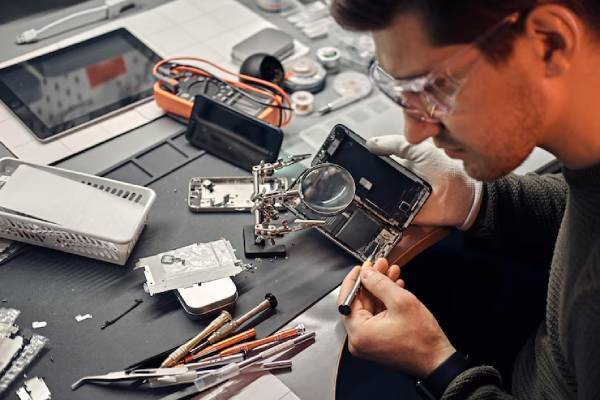
Professional water damage repair involves several steps beyond what DIY methods can accomplish. Technicians typically disassemble the device completely to inspect and clean each component individually. They use specialised solutions to neutralise and remove corrosion from delicate circuitry – something impossible to do at home without the right tools and expertise.
Ultrasonic cleaning represents one of the most effective professional methods. This technique uses high-frequency sound waves in a cleaning solution to remove corrosion and contaminants from components without damaging them. The process can reach tiny spaces that would be impossible to clean manually, making it particularly valuable for water damage repair where corrosion can hide in microscopic areas.
Testing after cleaning requires professional equipment too. Repair technicians use diagnostic tools to check if all components function properly after cleaning. They can identify which parts need replacement and which can be restored, potentially saving you money compared to simply replacing the entire device. This targeted approach often proves more cost-effective than buying a new iPhone.
Prevention is Better Than Repair
Waterproof cases offer genuine protection against accidents. While they add bulk to your sleek iPhone, quality waterproof cases can protect against submersion to various depths. If you frequently find yourself near water or in rainy conditions, this investment makes sense – especially considering the cost of repairs or replacement.
Apple’s water resistance ratings have improved with newer iPhone models. However, remember that water resistance isn’t the same as waterproofing, and this protection diminishes over time with normal wear and tear. Even the latest models shouldn’t be deliberately exposed to water despite their improved resistance ratings. These features exist as protection against accidents, not permission for underwater photography.
Insurance and AppleCare+ coverage policies about water damage vary widely. Standard warranties typically exclude water damage entirely, while AppleCare+ covers limited incidents with an excess fee. Third-party insurance might offer better protection if you’re prone to accidents. Read the fine print carefully before assuming you’re covered for water damage incidents.
When to Seek Professional Help
Time matters enormously with water damage. The longer corrosion has to develop, the lower the chances of successful repair. If your iPhone has been exposed to water and shows any signs of malfunction, seeking professional help within 24 hours significantly improves recovery chances. Every hour counts when it comes to preventing permanent damage.
Salt water creates special challenges for repair. If your iPhone has been exposed to the ocean or pool water (which contains chlorine and other chemicals), professional help becomes even more crucial. These liquids leave behind damaging residues that accelerate corrosion much faster than fresh water. Don’t attempt DIY repairs with salt water exposure – seek professional help immediately.
Get your water-damaged iPhone fixed today to avoid permanent damage to your valuable device. Professional repair technicians have the tools and expertise to address water damage effectively, potentially saving you from costly replacement. Contact a reputable repair service now to schedule an assessment and give your iPhone the best chance at a full recovery.
Featured Image Source: https://img.freepik.com/free-photo/serviceman-uses-magnifier-screwdriver-repair-damaged-smartphone-electronic-workshop_613910-20797.jpg
