Glasses, Contacts, or Something Else: How Your Optometrist Finds What Works Best for You
You’ve dealt with it before. Glasses slide down your nose during a workout. Contact lenses dry out halfway through the day. Maybe you’ve tried both and still feel like something isn’t quite right. The truth is, finding the right vision correction takes more than just knowing your prescription numbers.
A Porter Ranch optometrist looks at the full picture when recommending options. Your daily activities matter. So does your eye health history. Some people assume they’re stuck with whatever they tried first, but that’s rarely the case. Modern eye care offers more choices than most patients realize, and the right professional takes time to match those options to real-world needs.
The process starts with understanding what didn’t work before. If glasses felt heavy or contacts caused irritation, there’s usually a reason. Sometimes it’s the wrong lens material. Other times it’s about fit or how the correction was measured. Getting this part right means fewer complaints later and better long-term satisfaction with whatever option you choose.
Understanding Your Options
- Traditional Eyeglasses Bring Simplicity: Glasses remain popular because they’re straightforward. You put them on, you see clearly, you take them off. They don’t touch your eyes directly, which eliminates concerns about eye dryness or infection. Frames also let you express personal style. But they fog up in temperature changes, get smudged easily, and can feel restrictive during physical activities or certain jobs.
- Contact Lenses Offer Different Freedom: Contacts sit directly on your eye, giving you a wider field of view without frames in your peripheral vision. They don’t fog up or get splashed with rain. Many people prefer how they look without glasses. But contacts require daily cleaning and careful handling. Some eyes don’t produce enough tears to keep them comfortable all day, and improper care can lead to infections.
- Specialty Options Fill Specific Needs: Orthokeratology lenses reshape your cornea overnight so you see clearly during the day without any correction. Scleral lenses vault over the cornea for people with irregular eye shapes. Hybrid lenses combine rigid centers with soft edges. These alternatives work when standard options fail, though they cost more and need specialized fitting expertise.
The Fitting Process
- Detailed Measurements Come First: Your eye doctor maps your cornea’s shape and measures how your tears coat your eyes. They check your pupil size and how your eyelids sit. These measurements determine which lens designs will actually stay in place and feel comfortable. Skipping this step often leads to lenses that move around or cause irritation within hours.
- Trial Periods Reveal Real Problems: You can’t know if something works until you wear it during your actual routine. Does the correction hold up during long computer sessions? Do your eyes feel fine after eight hours? Trial lenses let you test options before committing. Your doctor adjusts the fit based on what you report, which is why honest feedback about discomfort or vision issues matters so much.
- Lifestyle Factors Shape Recommendations:
- Athletes need options that stay secure during movement and won’t shatter on impact
- Office workers require correction that reduces digital eye strain and stays comfortable under artificial lighting
- Parents with young children often prefer glasses that are quick to clean and hard to lose
- People with dry eyes may need specialty contacts designed to retain moisture longer
Getting Results That Last
- Comfort Affects Compliance: You won’t wear something that hurts or feels annoying. That seems obvious, but many people tolerate discomfort thinking it’s normal. It’s not. Properly fitted correction shouldn’t cause headaches, red eyes, or constant awareness that you’re wearing it. When comfort is right, you forget about your vision correction and just go about your day.
- Clear Vision Means More Than Sharpness: Sure, you need to see the letters on signs and screens. But good vision correction also reduces eye strain, prevents headaches, and lets you focus without squinting. Some corrections look perfect on paper but cause fatigue after a few hours. Testing different options helps identify what actually works in practice, not just theory.
Finding the right vision correction takes patience and professional guidance. Your eyes deserve more than a quick guess at what might work. A thorough evaluation considers your eye health, daily demands, and comfort preferences to identify options worth trying. Schedule a comprehensive eye exam to explore what’s available and start the fitting process that leads to clear, comfortable vision you can count on every day.
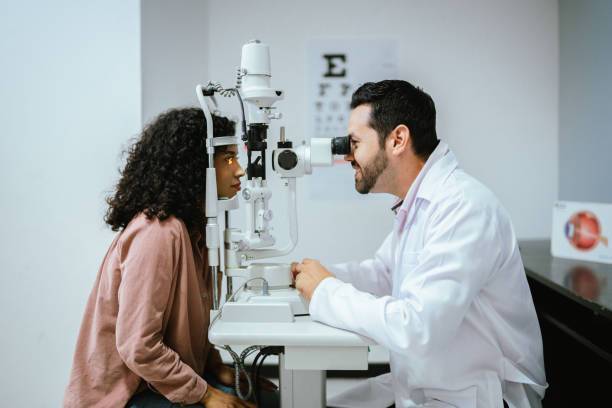
Featured Image Source: https://media.gettyimages.com/id/2118024278/photo/young-woman-doing-optical-exam-at-medical-clinic.jpg?s=612×612&w=0&k=20&c=CRzUGrAeWGqMX1hsageRryhtMHAVMB6pzbDT-sPiYyI=
