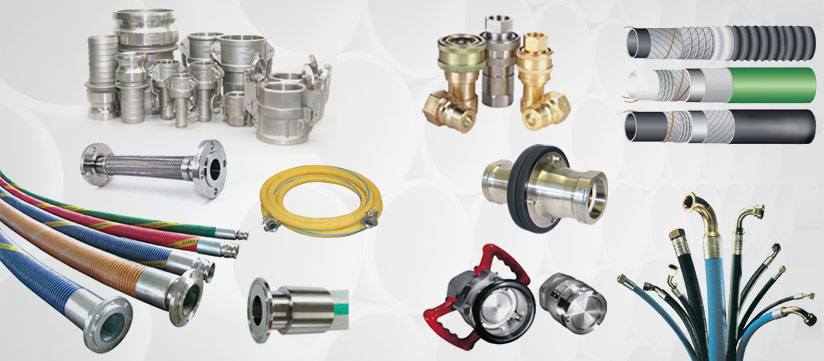
Industrial Productivity Continues to Improve Through Faster Hose Preparation and Connection Technology
Plant managers across Indian manufacturing sites face mounting pressure to deliver more output without expanding budgets or hiring fresh headcount each quarter. Equipment that shaves minutes off routine tasks now decides whether a long-term contract gets renewed or quietly slipped to a faster competitor. Hose handling, often overlooked, sits at the centre of that pressure point for many firms today.
Where Preparation Quietly Decides Output
Cuts That Hold Up Under Load: A modern hose cutting machine delivers clean, square ends that mate properly with fittings the first time around, every single time. Ragged cuts force technicians to rework joints, and that rework on the shop floor compounds into hours lost across each working week. Crews finishing prep work faster ship more assemblies, and the gap shows up plainly in monthly figures.
Connections That Refuse to Fail: A quick release coupling lets operators swap lines in seconds rather than wrestling with threaded fittings during peak production runs on the floor. The cost of a leaking joint is rarely just the lost fluid, and knock-on effects spread fast. Downtime, contamination, and damaged equipment follow quickly, so procurement teams know that reliability here protects far larger investments downstream.
Why Faster Prep Reshapes the Whole Line
Reduced Bottlenecks Across Shift Patterns: Workshops running hydraulic systems under continuous demand cannot afford slow hose changes mid-shift, and every single minute saved adds up across a busy production week. Faster preparation tools keep operators moving and supervisors free to address bigger issues on the floor. The compounding effect across a full quarter is the difference between hitting targets and missing them outright.
Cost Pressures Procurement Cannot Ignore: Bulk hose stock cut on-site through reliable equipment removes the need for repeated supplier orders and lengthy shipping delays each month. Inventory turnover improves across the warehouse floor, and waste from mis-cut lengths drops sharply over time. Buyers tracking unit cost per finished assembly will see the real impact within the first audit cycle, sometimes much sooner than predicted.
Signs Worth Watching on the Shop Floor
Indicators of Equipment Reaching Its Limit: Operators on the shop floor often notice early signs of trouble well before management does, and supervisors who actually listen tend to spot problems sooner than expected. Acting on these markers early saves money, keeps production schedules intact, and protects reputation with downstream clients depending on steady despatch from suppliers across India each month, sometimes each week.
- Cuts arriving uneven, forcing rework on assemblies before final despatch
- Couplings leaking under standard pressure ratings during routine site checks
- Wait times growing steadily as crews queue for shared cutting equipment
- Consumable spend climbing without matching gains in finished output volume
Pressures That Build Quietly Across Quarters: Small daily losses rarely trigger alarm until they show up in annual reviews and quarterly board meetings each year. By that stage, contracts have shifted to competitors and replacement budgets balloon beyond comfort levels. Acting before that point protects margins, which is why senior engineers now treat preparation equipment as a frontline investment worth proper attention.
Building Output That Holds Through the Year
Plants that fix preparation issues early tend to see steady gains across quarters rather than dramatic one-off wins, and the shift is quiet but unmistakable to anyone watching numbers. Procurement teams notice shorter lead times, engineers field fewer callbacks, and managers see lines running cleaner each shift across the year. Review current workflows and speak with a trusted industrial supplier this month.
Featured Image Source: https://www.jreltd.com/images/bannerImg/banner2.jpg
