What Goes Into a Comprehensive Property Survey From Start to Report
Buying property involves far more than signing purchase papers and collecting keys. Every structure carries its own history, hidden flaws, and silent warnings that only a trained eye can uncover. A comprehensive survey turns that uncertainty into information, following a methodical process that moves from the first phone call through to the final written report.
Laying the Groundwork Before the First Visit
Preparing For an Accurate Inspection: Property buyers rely on building surveyors Southampton as they gather vital background details and clarify client concerns well before any site visit takes place. This early stage shapes the focus of the entire survey, directing attention to areas most likely to reveal costly defects, structural problems, or overlooked maintenance issues.
Understanding Client Goals From Day One: A skilled building surveyor Chichester clients depend on will ask targeted questions about property age, intended use, and planned renovation work to tailor the inspection scope properly. This early conversation removes guesswork from the process, ensuring the final document reflects genuine priorities rather than a generic checklist applied to every instruction.
Walking Through the Physical Inspection
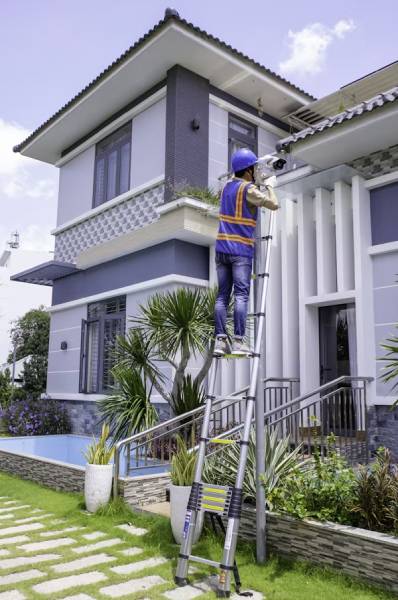
Examining the Structural Shell With Precision: The on-site inspection covers every visible aspect of the building, from foundations to roof coverings. Experienced surveyors check for movement cracks, signs of subsidence, failed pointing, and weather-related damage. Close attention is paid to damp proof course conditions, which often reveal whether rising moisture has silently compromised internal wall surfaces over time.
Recording Hidden Clues in the Loft and Cellar: Lofts and cellars hold some of the most telling signs of gradual disrepair within older homes. Inspectors examine roof timbers for rot, woodworm activity, and sagging purlins, while cellar checks focus on ventilation, drainage patterns, and any evidence of historic flooding or persistent water ingress around the lower structural levels.
Turning Observations Into Measurable Insight
Testing, Measuring, and Documenting Every Finding: Back at the office, all notes, photographs, and measurements are cross-checked against recognised construction standards. Moisture readings are analysed carefully, timber defects rated for severity, and structural anomalies linked to their probable causes. The use of accurate thermal imaging data sometimes highlights hidden insulation gaps that standard visual checks would miss entirely.
Cross-Referencing Data Against Building Standards: Every recorded finding is measured against established technical benchmarks covering loading, ventilation, fire safety, and material performance criteria. This careful comparison allows surveyors to separate harmless quirks from genuine hazards, creating a reliable hierarchy of concerns that reflects both current building conditions and likely future deterioration patterns within the property under review.
Assembling the Full Written Report
Translating Technical Data Into Clear Guidance: The final written report must balance technical accuracy with readable language suited for non-expert audiences. Defects are described clearly, rated by urgency, and paired with recommended actions ranging from immediate repairs to longer-term monitoring. Photographs support each observation, giving the reader visual evidence of every conclusion drawn during the inspection stage.
Highlighting Risks That Influence Value: Certain findings carry significant financial weight, from slow structural movement to invasive vegetation near boundaries. These items are flagged prominently within the report so buyers can factor likely repair costs into price negotiations. Lenders and solicitors also review these sections carefully, making clear documentation a protective layer for every party involved in the transaction.
Core Elements Covered Within the Final Document:
- Structural stability covering walls, floors, and supporting beams.
- Roof covering condition including flashings and chimney details.
- Damp evidence across habitable and non-habitable spaces.
- External drainage performance and visible ground movement signs.
Building Confidence Through a Complete Evaluation
A thorough survey transforms property buying from a gamble into an informed decision. Every stage, from initial enquiry to final report, contributes layers of insight that protect buyers from unexpected repair bills and disputes down the line. Anyone planning a purchase should book a qualified inspection early, safeguarding both investment value and long-term peace of mind.
Featured Image Source: https://images.unsplash.com/photo-1595448831936-822eeb8b5695?w=600&auto=format&fit=crop&q=60&ixlib=rb-4.1.0&ixid=M3wxMjA3fDB8MHxzZWFyY2h8NDN8fEhvbWUlMjBpbnNwZWN0aW9uc3xlbnwwfHwwfHx8MA%3D%3D
