How Modern Comforters Are Designed to Match Different Sleep Preferences
Getting a good night’s sleep often comes down to more than just the right mattress. The comforter on top plays a bigger role than most people realize. Sleep habits differ from person to person, and bedding that fits one sleeper’s needs may not work for another. Choosing the right comforter starts with understanding what actually goes into their making.
Fill Type Shapes the Comfort Experience
Natural Fill and the Case for Deeper Warmth: For sleepers who run cold or live in cooler climates, a luxury down comforter brings a level of warmth and softness that is hard to replicate. Natural down clusters trap heat while remaining breathable, which means the body stays at a comfortable temperature without overheating. The weight feels substantial yet gentle, which many people find deeply calming at night.
When Alternative Fill Makes More Sense: Not every sleeper wants or can use natural fill, which is where an alternative goose down comforter becomes a valuable choice. Designed to mimic the loft and softness of natural down, these comforters use synthetic fibers that resist allergens and hold up well through regular washing. They offer reliable warmth without the concerns that come with animal-based materials.
Construction Methods That Change How Comforters Feel
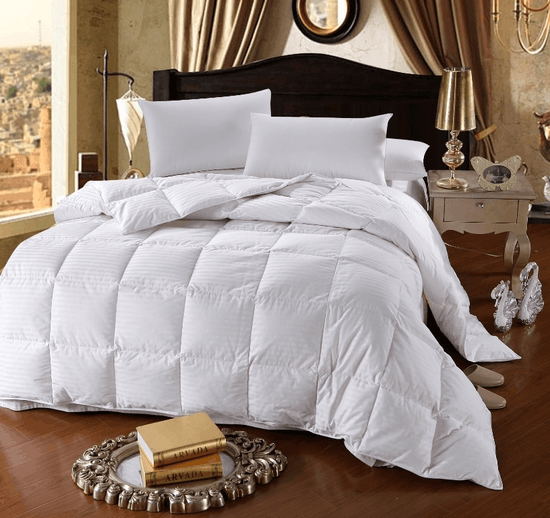
Why Stitching Patterns Matter More Than Most Buyers Expect: The way a comforter is put together matters as much as what fills it. Baffle-box construction uses fabric walls sewn between the top and bottom layers, creating individual chambers that keep fill evenly distributed. This prevents cold spots from forming and keeps the comforter performing consistently across the entire sleeping surface, season after season, for the best sleep experience.
Details That Separate a Good Comforter From a Great One: Shoppers often overlook the smaller details that make a real difference in daily use. Before selecting a comforter, it helps to consider:
- Fill Type: natural down vs. synthetic alternatives
- Weight: lightweight for warm sleepers, heavier for cold climates
- Outer Shell Material: cotton shells breathe better than polyester
- Washability: some fills require dry cleaning, others are machine-washable
- Size: matching comforter dimensions to bed size prevents cold gaps
The Numbers Behind a Better Night’s Sleep
Reading Fill Power to Choose the Right Warmth Level: One number that rarely gets enough attention is the fill power rating, which measures how much space one ounce of down occupies. Higher ratings indicate more loft and better insulation, which matters for cold sleepers or those in drafty rooms. Understanding this number takes the guesswork out of picking between comforters that look similar but perform very differently.
Weight Preferences Vary More Than Most Sleepers Realize: Some people sleep better under lighter bedding, while others want to feel wrapped in something substantial. Manufacturers now produce comforters across a wide range of weights to address this directly. A sleeper who tends to overheat will find a lower-fill option more comfortable, while someone in a colder setting will benefit from deeper insulation and a denser fill cluster.
Rest Better by Choosing What Actually Fits
Comforters are no longer designed with just one type of sleeper in mind. With fill types, construction methods, and warmth ratings all influencing the outcome, there is a strong case for choosing based on personal needs rather than price alone. Exploring options that match sleep habits and climate conditions leads to consistent, quality rest night after night.
Featured Image Source: https://s.turbifycdn.com/aah/yhst-95447403303911/oversize-500-thread-count-white-down-st-comforter-67.jpg
