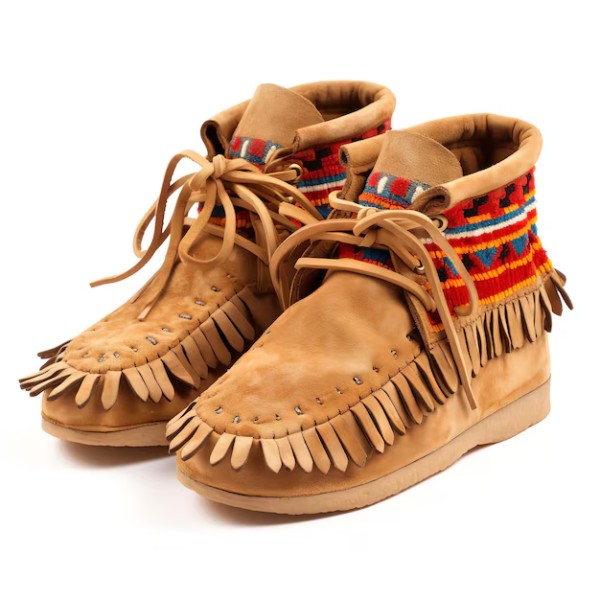
From Tradition to Today: The Story of Native American Moccasins
Moccasins tell a story that stretches back centuries. They weren’t just shoes. They were survival tools, cultural markers, and works of art all wrapped into one piece of footwear. Different nations developed their own styles based on where they lived and what materials they could find. The techniques passed down through generations still shape how moccasins are made today.
Regional Styles and Their Purpose
Shoes like the native American moccasins varied wildly across regions. Plains tribes favoured hard-soled designs that could handle rough terrain. Woodland communities often crafted soft-soled versions better suited for forest floors. Each style reflected the environment and the needs of the people who wore it. The stitching patterns, decorative elements, and construction methods carried meaning beyond function. They identified where someone came from and sometimes what role they played in their community.
The Role of Leather Selection
The choice of leather mattered just as much as the design. Deer hide worked well in warmer climates. Elk provided durability for rougher conditions. Canadian moose hide moccasins became prized for their thickness and water resistance, especially in northern territories where winters demanded tougher materials. Moose hide could withstand cold and moisture better than thinner leathers. Artisans who knew how to tan and work with moose hide were highly valued.
Traditional Construction Methods
Making a pair of moccasins takes time. You can’t rush the process if you want them to last. The hide needs proper preparation through brain tanning or smoke curing. These traditional methods keep the leather soft and breathable while maintaining strength. Modern shortcuts exist, but they often sacrifice the qualities that made moccasins special in the first place. Hand-stitching with sinew or waxed thread creates seams that flex with your foot instead of rubbing against it.
Decorative Elements with Meaning
Beadwork and quillwork added personal touches. Some designs were purely decorative. Others held spiritual significance or told family stories. Floral patterns became popular in certain regions after contact with European traders. Geometric designs often stayed closer to older traditions. The colours and placement of beads weren’t random choices.
Balancing Tradition and Modern Needs
Today’s moccasin makers face an interesting challenge. They want to honour traditional techniques while meeting modern expectations. Some people buy moccasins as cultural keepsakes. Others want functional footwear they can actually wear. Finding that balance takes skill. The best craftspeople manage to create pieces that respect the past without being stuck in it.
Proper Care and Maintenance
Caring for handmade moccasins isn’t complicated, but it does require attention. Leather needs to breathe, so storing it in plastic bags will ruin it over time. Light brushing removes dirt without damaging the material. If they get wet, let them dry naturally away from direct heat. Conditioning the leather occasionally keeps it from cracking, especially in dry climates.
Identifying Authentic Craftsmanship
The market for authentic moccasins has grown as more people seek connections to Indigenous craftsmanship. Not all moccasins sold as “authentic” actually are. Mass-produced versions flood online marketplaces. They might look similar at first glance, but the materials and construction give them away. Real handmade moccasins have slight irregularities that come from human hands working with natural materials.
Understanding Cultural Significance
Learning about moccasins means learning about the cultures that created them. Each pair carries knowledge that took generations to develop. When you understand the work and history behind them, they become more than footwear. They’re a bridge between past and present.
Featured Image Source: https://img.freepik.com/premium-photo/magnificent-moccasin-boots-isolated-white-background_787273-22289.jpg
