Orthopaedics & Joint Replacement in Ranchi: What to Expect From Diagnosis to Recovery
Joint pain and mobility limitations can disrupt daily activities and reduce independence. Many patients delay seeking professional evaluation, allowing conditions to worsen over time. Early diagnosis and appropriate treatment planning make a significant difference in final outcomes. The journey from initial symptoms to full recovery involves several stages, each playing a crucial role in restoring function and improving quality of life.
From First Consultation to Clear Diagnosis
Initial Assessment and Physical Examination: When persistent joint pain occurs, consulting a bone specialist in Ranchi provides access to comprehensive evaluation. The specialist conducts a detailed physical examination, reviewing medical history, assessing range of motion, and identifying specific pain triggers. This initial consultation establishes baseline information and determines whether imaging studies or additional tests are necessary to confirm the diagnosis.
Diagnostic Imaging and Laboratory Tests: A medical care center equipped with advanced technology performs X-rays, MRI scans, or CT scans to visualize joint damage. Blood tests may rule out inflammatory conditions or infections. These diagnostic tools reveal the extent of cartilage deterioration, bone alignment issues, or soft tissue damage, helping specialists recommend the most appropriate treatment path for each patient’s unique condition.
Exploring Treatment Options Beyond Surgery
Conservative Management Approaches: Many joint conditions respond well to non-surgical interventions. Physiotherapy strengthens surrounding muscles, improving joint stability and reducing pain. Anti-inflammatory medications manage discomfort while allowing natural healing. Viscosupplementation injections provide lubrication to affected joints, potentially delaying the need for surgery. Lifestyle modifications, including weight management and low-impact exercises, preserve joint function and extend conservative treatment success.
When Surgical Intervention Becomes Necessary: If conservative measures fail to provide adequate relief, joint replacement surgery offers a viable solution. The surgical team evaluates overall health, discusses anaesthesia protocols, and explains the procedure in detail. Modern techniques minimize tissue damage and reduce recovery time. Patients receive clear information about expected outcomes, potential risks, and post-operative care requirements before making informed decisions.
The Surgical Journey and Immediate Recovery
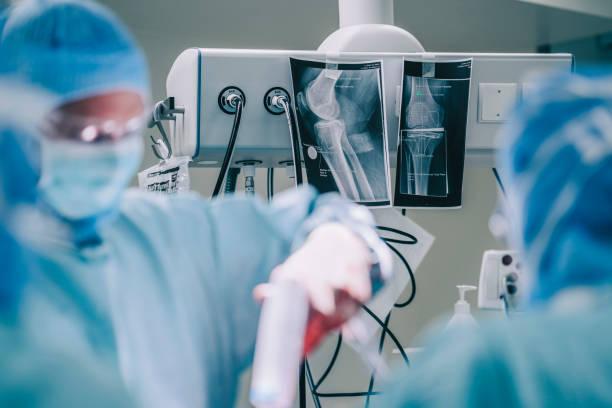
Operating Theatre Experience: Joint replacement surgery typically takes two to three hours under general or spinal anaesthesia. Surgeons remove damaged cartilage and bone, replacing them with prosthetic components designed to replicate natural joint movement. The medical team monitors vital signs throughout the procedure. Post-operative care begins immediately in the recovery room, where pain management protocols start before patients regain full consciousness.
Hospital Stay and Early Mobilization: Most patients remain hospitalized for three to five days following surgery. The physiotherapy team initiates gentle movements within 24 hours to prevent stiffness and blood clots. Nurses monitor surgical sites, administer medications, and teach proper positioning techniques. Occupational therapists demonstrate adaptive equipment use for daily activities:
- Walking frames or crutches for safe mobility
- Elevated toilet seats and shower chairs for bathroom safety
- Reaching aids and sock applicators for dressing independence
- Ice packs and compression garments for swelling management
Rehabilitation and Long-Term Success
Structured Physiotherapy Programme: Discharge planning includes detailed rehabilitation schedules spanning several months. Physiotherapists design progressive exercise programmes targeting strength, flexibility, and endurance. Regular follow-up appointments track healing progress and adjust therapy intensity accordingly. Commitment to prescribed exercises determines final outcomes, as consistent effort rebuilds muscle strength and restores normal movement patterns gradually.
Achieving Full Functional Recovery: Complete recovery typically occurs within six to twelve months, though individual timelines may vary. Patients gradually resume normal activities, from walking and climbing stairs to recreational pursuits. Regular check-ups ensure prosthetic joints function properly and identify any concerns early. Maintaining healthy body weight, staying active, and following medical advice help preserve joint replacements for 15 to 20 years or longer.
Your Path Forward Starts Today
Delaying treatment allows joint damage to progress, making recovery more challenging. Seeking professional evaluation provides clarity about available options and realistic expectations. Whether conservative management or surgical intervention proves appropriate, taking the first step toward assessment opens doors to improved mobility and pain-free living. Schedule a consultation to begin your journey toward restored joint function and renewed independence.
Featured Image Source: https://media.gettyimages.com/id/1473775983/photo/surgeons-doing-operation-in-hospital-operating-room.jpg?s=612×612&w=0&k=20&c=L9amh-iw6obMO7as0QOlm-U-HQ5HGrMP6JWZmuvzyMY=
