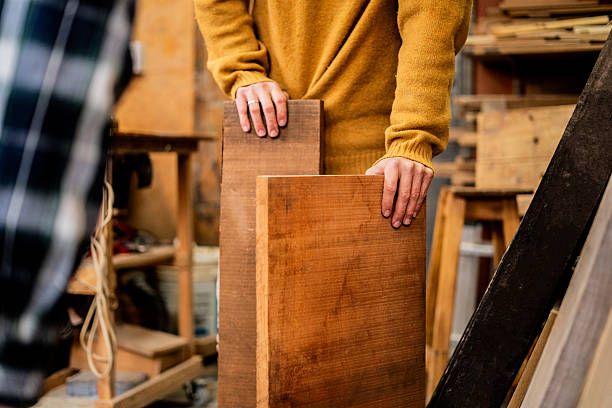
The Truth Behind Furniture Failures: Why Choosing the Right Plywood Matters More Than the Design
You spend months picking the perfect wardrobe design. The carpenter promises durability. Six months later, the shelves sag. The doors don’t close properly. Perhaps the edges have started peeling. Most people blame the carpenter or the design. They’re looking in the wrong place.
What Actually Causes Furniture to Fail
Material Quality Trumps Craftsmanship: The real problem sits inside the structure. High quality plywood forms the backbone of every piece of furniture. When manufacturers cut corners on material selection, even the most skilled carpenter can’t save the final product. Weak core veneers absorb moisture unevenly. Inferior adhesives break down in Indian humidity. The furniture looks fine until daily use exposes these hidden weaknesses.
Testing Separates Good From Mediocre: Proper quality standards determine how long furniture survives real-world conditions. Boiling water tests reveal adhesive strength. Pressure tests show core stability. Moisture resistance tests predict performance in monsoon climates. Factories that skip these checks produce plywood that passes visual inspection but fails within months of installation. The difference shows up when doors stick, surfaces bubble, or joints separate without warning.
Why Manufacturing Precision Matters
Machine Calibration Affects Every Sheet: Manual cutting and pressing create inconsistencies. One sheet might be 17mm thick. The next measures 19mm. These variations seem small until carpenters start assembly. Gaps appear. Joints don’t align. Calibrated machinery maintains uniform thickness across production runs. Veneer grading systems sort wood by density and grain pattern. This consistency means furniture pieces fit together properly and bear weight evenly across all surfaces.
Adhesive Chemistry Determines Lifespan: Cheap phenol-formaldehyde resins save money during manufacturing. They also fail faster under stress. BWP grade adhesives cost more but create permanent bonds that survive:
- Extended exposure to water and steam
- Temperature fluctuations between seasons
- Continuous weight load on shelves and surfaces
- Repeated opening and closing of doors
Core Construction Resists Common Problems: Cross-banded core layers prevent warping by distributing stress in multiple directions. Single-direction grain patterns bend and twist as moisture levels change. Proper core construction stops this movement before it reaches visible surfaces. Termite-resistant treatments protect against insect damage that hollows out interiors without external signs until catastrophic failure occurs.
The Real Cost of Choosing Poorly
Replacement Expenses Add Up Quickly: A kitchen that needs rebuilding after three years costs far more than the initial savings from cheap materials. Contractors charge for labour twice. Homeowners lose the use of spaces during repairs. The disruption affects daily routines. Families adjust meal schedules around kitchen renovations. Bedrooms get emptied for wardrobe replacements. These hidden costs never appear in initial quotations but hit hard when furniture fails prematurely.
Design Reputation Suffers Unfairly: Interior designers face blame when clients experience furniture failures. Their creative vision gets questioned. Referrals dry up. The actual problem lies in material specification, not aesthetic choices. Architects face similar challenges when built-in furniture deteriorates in commercial projects. Building owners remember failures longer than they appreciate good design. Material selection protects professional reputations as much as it protects structural integrity.
Furniture longevity starts with material choices, not surface finishes or design complexity. Investing in properly manufactured, tested plywood prevents the cycle of repairs and replacements that drain budgets and patience. For projects that need to last decades rather than seasons, contact reliable suppliers who prioritise manufacturing standards over price competition.
Featured Image Source: https://media.gettyimages.com/id/2233666402/photo/close-up-of-a-carpenter-arranging-woods-in-a-workshop.jpg?s=612×612&w=0&k=20&c=_GinfXUGGb7f2H3wPD0h0UGvuRaw9WqaIZas7LDJwiU=
