Unlocking Energy Independence: The Power of Residential Solar Panels
Residential solar panels offer homeowners a path to energy autonomy while reducing their carbon footprints. With falling costs and improved technology, solar power now represents a practical option for Ontario households seeking long-term energy solutions as an alternative to fossil fuels.
Making the Switch to Solar Energy
The growing interest in sustainable energy solutions has sparked curiosity among homeowners about taking control of their electricity needs. Solar technology has evolved dramatically over the past decade, becoming more efficient and accessible to average households. For many families, the decision to install solar panels stems not just from environmental concerns but also from practical considerations about long-term energy costs and reliability in regions with unpredictable weather patterns or ageing power infrastructure.
Understanding Your Options
Off grid systems Ontario residents can install come in various configurations based on specific energy needs and property characteristics. These systems operate independently from the provincial power grid, offering complete energy autonomy. The initial investment might seem substantial, but the long-term savings and self-sufficiency benefits often outweigh upfront costs. Local regulations and building codes have also adapted to accommodate these installations, though homeowners should research municipal requirements before proceeding with any installation plans.
How Residential Solar Panels Function
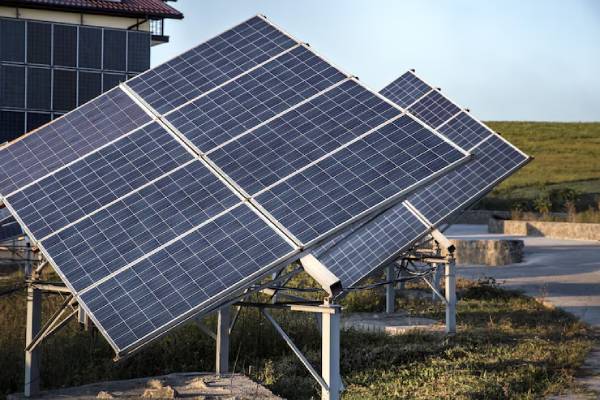
Residential solar panels capture sunlight and convert it into electricity through photovoltaic cells. This clean energy can power household appliances, heat water, or charge electric vehicles depending on system size and configuration. Modern panels function even during cloudy days, though at reduced capacity. Most systems installed today include monitoring capabilities that allow homeowners to track energy production and consumption through smartphone apps or web interfaces, providing valuable insights into household energy patterns.
Assessing Your Property’s Solar Potential
Not every property offers ideal conditions for solar panel installation. Factors like roof orientation, angle, shade coverage, and structural integrity play crucial roles in determining system efficiency. Northern regions experience fewer daylight hours during winter months, which affects overall energy production. Professional assessments can help determine whether a property receives sufficient sunlight throughout the year to justify installation costs and identify optimal placement locations for maximum energy capture.
Financial Considerations
The economics of solar power extend beyond simple installation costs. Current provincial incentives, federal tax credits, and municipal programmes may significantly reduce initial expenses. Homeowners should calculate payback periods based on current electricity rates, projected energy production, and available financial incentives. Many households achieve complete system payback within 7-12 years, after which they enjoy essentially free electricity for the remainder of the system’s lifespan—typically 25-30 years for quality panels.
Grid Connection Options
Most residential installations offer choices between fully connected, hybrid, or completely independent setups. Grid-tied systems remain connected to municipal power supplies, allowing excess electricity to flow back to the grid (often earning credits through net metering programmes). Hybrid systems incorporate battery storage while maintaining grid connections, providing backup during outages. These options let homeowners customise based on energy independence goals, available sunlight, and budget constraints while ensuring consistent power regardless of weather or time of day.
Maintenance Requirements
Solar systems require minimal upkeep compared to other home infrastructure equipment. Panels may need occasional cleaning to remove dust, pollen, leaves, or snow that could block sunlight. Inverters and electrical components typically need replacement every 10-15 years, while the panels themselves usually carry 25-year warranties. Homeowners should arrange yearly professional inspections to ensure optimal system performance and identify potential issues before they affect energy production or damage equipment.
Winter Performance Myths and Facts
Many Ontario residents worry about the performance of their solar panels during harsh winter months. While production decreases with shorter days, these panels often operate more efficiently in cold temperatures. Snow generally slides off tilted panels due to their smooth surface and the heat they generate, though occasional manual clearing might prove necessary after heavy snowfalls. Modern systems account for seasonal variations in their design, ensuring year-round functionality even in northern climates.
Solar power offers a practical path toward energy independence that aligns with environmental responsibility goals while potentially reducing long-term household expenses. With technology improvements and decreasing installation costs, residential solar has become increasingly viable for average homeowners across Ontario. Ready to explore whether solar makes sense for your property? Contact qualified local solar consultants who can provide property-specific assessments and help navigate the available options based on your energy needs and budget constraints.
Featured Image Source: https://img.freepik.com/free-photo/photovoltaics-solar-power-station-energy-from-natural_169016-5819.jpg
