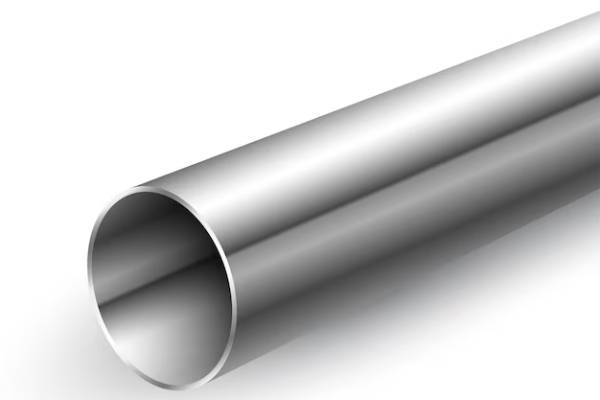
Choosing the Right Stainless Steel Tube: Understanding Different Grades and Applications
Stainless steel pipes and tubes are commonly used in many different industries due to their strength, corrosion resistance, and versatility. It is important to choose the right grade or allow a combination so that the material exhibits optimal performance in various environments. It is important that you know why you are using the stainless steel tubes and pipes and under which conditions which grade stainless steel needs to be used, such as high-temperature applications or resistance to harsh chemicals etc. Knowing stainless steel grades guides you when it comes to purchasing.
High-Temperature Performance: Why Purchase 309 Stainless Steel Pipe?
309 grade stainless steel is known for its exceptional high temperature resistance. It finds applications mainly in furnace components, heat exchangers etc. where exposure to higher temperature is required. It contains high chromium and nickel content to ensure excellent oxidation resistance. Therefore, if you are looking for a material that can endure extreme heat conditions, you should definitely purchase 309 stainless steel pipe to tensile strength and material continuity over time.
Heat Stability and Weldability: Buy 321 Stainless Steel Tube
Buy 321 stainless steel tube for applications that need both excellent heat resistance and good weldability. Titanium present in this grade help in making it more resistant to intergranular corrosion which make it suitable for aerospace, chemical processing, & high temperature applications. Widely used for exhaust systems, thermal processing equipment, and boiler tubing, it provides longevity and strength under high-stress conditions.
Understanding Stainless Steel Grades
Generally, stainless steel is a family of iron-based alloys with a minimum chromium content of 18%, classified according to their composition and mechanical properties.
Some of the more common ways to classify in grades refer to:
- Austenitic Stainless Steel (300 Series): High chromium and medium nickel content ranges, high corrosion resistance, high strength and high availability. Common grades are 304, 309, and 321.
- Ferritic Stainless Steel (400 Series, Magnets): Good to fair resistance to oxidation and corrosion, low ductility compared to austenitic grades.
- Martensitic Stainless Steel: Their hardness and strength are well known, but corrosion resistance is limited. It is widely used for kitchen utensils and tools.
- Duplex Stainless Steel: Combination of stainless steel grades alloys of austenitic and ferritic stainless steel, as it offers high strength and excellent corrosion resistance, well-suited for marine applications.
Applications of Stainless Steel Tubes
Different grades of stainless steel pipes or tubes are used in certain applications:
- 309 Stainless Steel: Very good for high temperature applications like heat exchangers and furnaces.
- 321 Stainless Steel: Commonly used in aerospace, exhaust systems, and chemical industries as it resists heat.
- 304 Stainless Steel: A common commercial stainless steel used in food processing, construction, and medical devices.
- 316 Stainless Steel: Provides corrosion resistance properties that make it great for chemical processing and marine environments.
How to Select Stainless Steel Tubes: The Key Factors
When it comes to choosing the right stainless steel tube, a few things come into play:
- Corrosion Resistance: Based on moisture, chemicals, and temperature.
- Mechanical Strength: If the material is made to withstand stress and pressure during its application.
- High Temperature Application: For high temperature applications, grades such as 309 or 321 are required.
- Weldability and Fabrication: Some compositions make the grade easier to weld and fabricate.
Conclusion
Stainless steel tubes and pipes are available in different grades, with different applications. Material choice ensures the toughness, cost-effectiveness, and efficiency of industry and structural components. These products all have different properties, and knowing those properties will help you make the choice that is right for you, whether you are looking for heat resistant 309 stainless steel pipes or weldable 321 stainless steel tubes.
Featured Image Source: https://archcitysteel.com/wp-content/uploads/2024/12/321-stainless-steel-tube.jpg
