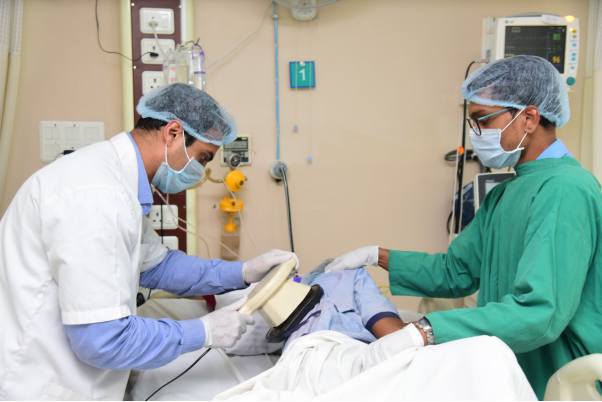
Orthopaedic Hospital Explains Why Early Treatment Can Protect Long-Term Joint Health
A sore knee that gets ignored for months can turn into a joint that never moves the same way again. That is the pattern every orthopaedic hospital sees week after week. Pain is easy to push aside when life gets busy, yet cartilage and bone keep changing quietly underneath the surface.
Why Waiting Costs More than It Saves
Timely Care Changes the Outcome: An orthopaedic hospital brings scanning, specialist assessment, and treatment planning together in one place, which helps patients get clear answers within days instead of months. Early diagnosis shows whether a problem needs surgery or can settle with rest and guided exercise. That single distinction shapes everything that follows.
Local Expertise Matters: A trusted physician in Ranchi can assess joint pain early, order the right imaging, and connect patients with the correct specialist before damage spreads further. Small delays add up. A ligament strain treated in week one behaves very differently from the same injury reviewed six months down the line.
What Early Diagnosis Actually Reveals
Tests Tell the Real Story: Imaging and blood work uncover things pain alone cannot explain. A scan may reveal falling bone density, early arthritis, or a hairline fracture hiding behind ordinary stiffness. Doctors use these findings to match each patient with the right approach rather than guessing from symptoms alone.
Surgery Is Not Always the Answer: Plenty of patients walk into an orthopaedic hospital expecting an operation and leave with a physiotherapy plan instead. Non-surgical care works well when problems get caught early. Braces, targeted exercise, and medication can hold a joint steady for years. Surgery stays in reserve for cases that truly need it.
Building Strength after the Diagnosis
Movement Is Medicine: Structured physical rehabilitation rebuilds the muscles that protect a joint, and stronger muscles take pressure off worn cartilage. Sessions start gently. A therapist adjusts the load week by week, watching how the body responds. Skipping this stage is one reason some patients never regain their full range of movement.
Follow-Up Keeps Progress on Track: Regular reviews with a physician in Ranchi give patients a clear picture of how their joints are healing and whether the plan needs adjusting. Weight, posture, and daily activity all feed into joint health. Doctors track these together, not in isolation, and small corrections made early prevent bigger setbacks later.
Daily Habits that Protect Your Joints
Hospital care does half the job. What happens between appointments decides the rest. Joints respond to how you sit, move, and eat every single day, so a few steady habits can support whatever treatment plan your doctor prescribes. None of them cost money. All of them build on each other over time.
- Keep moving, even ten minutes of walking daily keeps joints lubricated
- Watch your weight, since every extra kilogram adds load to knees and hips
- Stretch before exercise
- Eat foods rich in calcium and vitamin D to support bone strength
None of these replace medical care. They work alongside it. Patients who pair healthy routines with regular check-ups recover faster and stay mobile longer than those who rely on treatment alone. The habit part is yours to control, and that control counts for more than most people realise.
Strong Joints Start with One Appointment
Joint damage rarely announces itself loudly. It creeps in through stiffness, small aches, and movements you slowly stop doing. Booking a consultation at the first sign of trouble gives specialists the best chance to protect your mobility for decades. Do not wait for the pain to decide for you. Book that assessment this week.
